
Best Mahjong Pushers: How to Choose for Your Game
Last updated: Nov 23, 2026
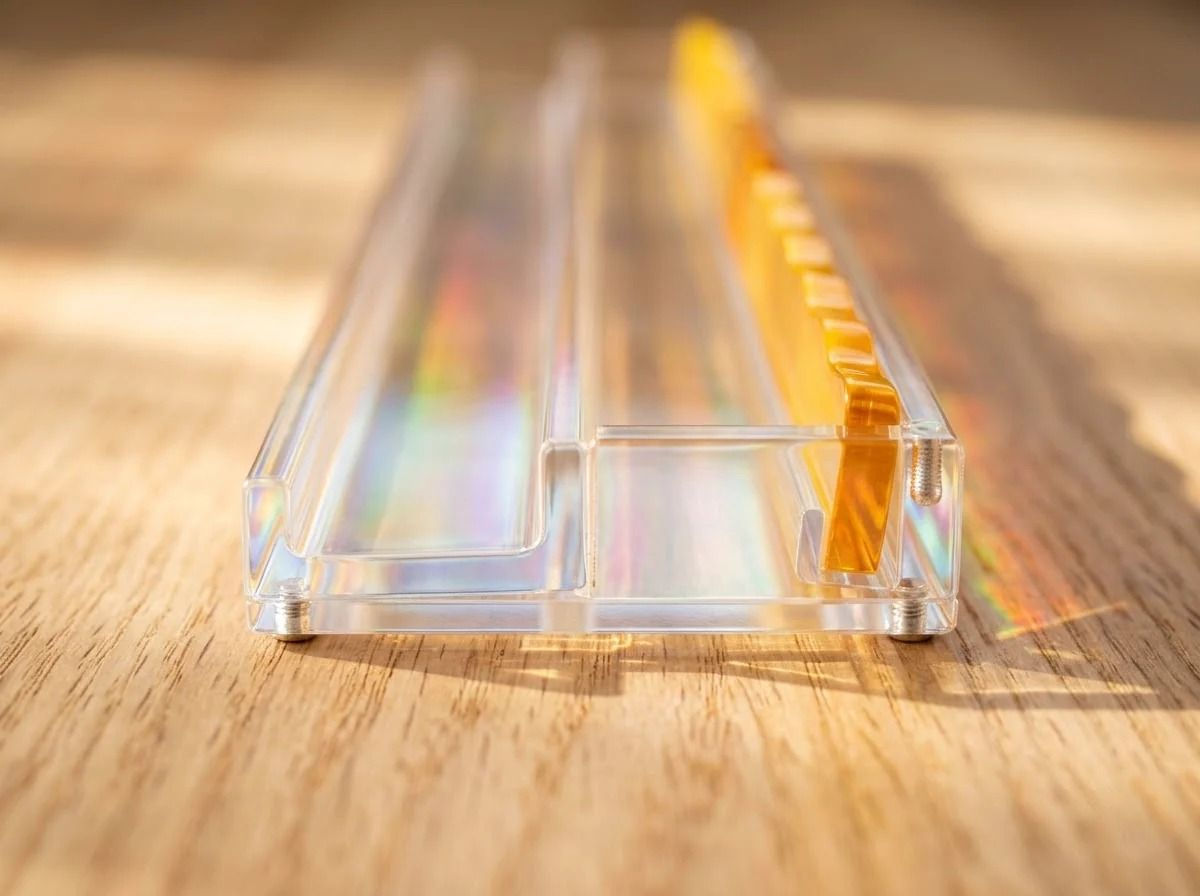
A mahjong pusher is a flat stick (typically 4–5 inches long) used to neatly arrange and slide tiles on your rack without dropping them. The best pushers have a gentle curve or angled tip that grips acrylic tiles without scratching, and they come paired with a mahjong rack with pushers—a solid stand that holds your hand upright and keeps tiles organized by suit and number. American mahjong racks with pushers are essential when hosting regular games; they speed up play, prevent misdeals, and make the hand visible to all players. A quality rack-and-pusher combo lets you sort a fresh hand in 30 seconds instead of two minutes. Pushers are usually made from wood, acrylic, or bone, with wood and bone offering the best grip on modern tiles. Most come as a pair per player (two pushers per rack), so a four-player set includes eight pushers total. The choice depends on your tile material, hand size, and whether you want functional simplicity or decorative appeal. Mahstead's best-selling mahjong sets pair beautifully with quality racks, and many players upgrade to dedicated racks once they realize how much easier they are than playing without them. 🀄 Shop best-selling mahjong sets →
What is a mahjong pusher, and why do you actually need one?
A pusher is a tool that lets you grip and shuffle tiles without using your fingers directly—a huge advantage when tiles are smooth acrylic or bone. Instead of pinching a tile and risking it flying off the table, you slip the pusher's angled tip under or beside the tile and glide it into place. Why this matters: American mahjong tiles are larger and heavier than Chinese sets, and acrylic tiles especially have low friction. Pushers let you keep your rack stable, expose melds cleanly, and move tiles fast during the Charleston and winning declarations. Players who skip pushers often find themselves re-arranging the same tiles three times or accidentally revealing their hand. Bottom line: pushers transform tile handling from clumsy to controlled.
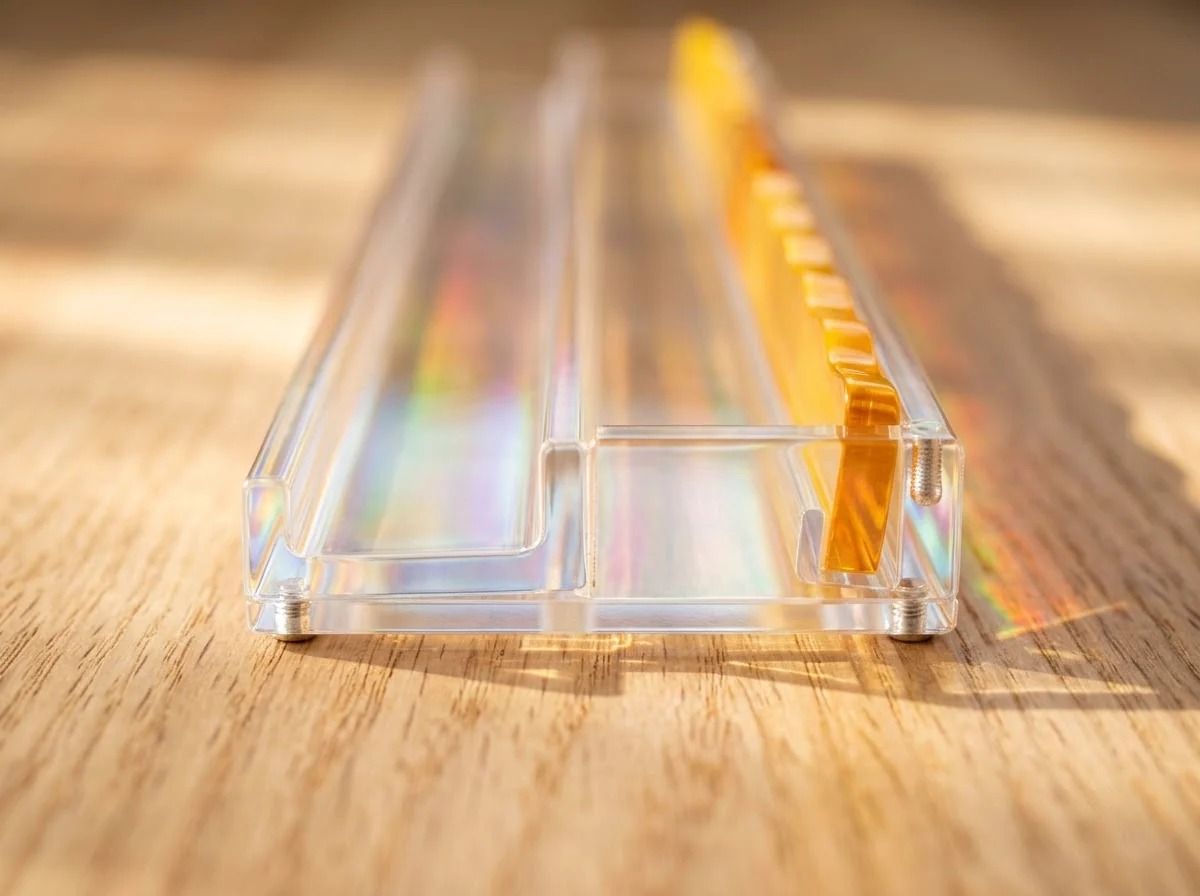
Who should buy pushers and racks—and who doesn't really need them?
If you play American mahjong weekly or host games at home, you need racks with pushers. They're non-negotiable for serious players because they protect tiles, organize your hand by suit, and speed up play dramatically. Casual players who play once or twice a year might skip them, but even beginners discover within two games that pushers save time and frustration. Serious players—those playing in clubs, tournaments, or long Friday-night games—absolutely should upgrade to high-quality pushers; cheap ones scratch acrylic tiles and get lost easily. For travelers, look for lighter wooden pushers; bone and acrylic pushers are heavier and less portable. Solo learners or practice sessions don't require pushers, but once you're playing with a full table, they become essential. If you've invested in engraved American mahjong sets or beautiful acrylic tiles, protect that investment with proper pushers—it's the smart upgrade.
Pusher materials: wood, bone, acrylic—which grip best?
Material | Grip on acrylic tiles | Weight & portability | Durability | Best for |
Wood | Excellent—natural texture grips well | Light, easy to pack | High—won't scratch tiles | Weekly players, travel |
Bone | Excellent—similar to wood, very smooth | Moderate (slightly heavier) | Very high—lasts decades | Serious/regular players |
Acrylic | Good—smooth but can slip on acrylic tiles | Light | Medium—can chip if dropped | Budget-conscious or casual |
Bone pushers offer the best balance: they grip acrylic tiles firmly without scratching, feel substantial in hand, and age beautifully over years of play. Wood pushers are lighter and ideal for players who transport their set to different venues; they grip just as well as bone but wear faster if heavily used. Acrylic pushers are budget-friendly but often too slippery on acrylic tiles and can leave micro-scratches over time. If you're buying mahjong racks with pushers, check whether the package specifies the pusher material—it's the single biggest factor in long-term satisfaction. Many players own multiple sets of pushers for different situations (travel-light wood for day trips, premium bone for home games).
How to pick the right rack design: bamboo, acrylic, or decorative?
Racks come in three main styles: traditional bamboo or rattan (lightweight, classic look, susceptible to warping over time), solid acrylic or wood (modern, durable, works beautifully with engraved sets), and decorative racks with joker holders or suit dividers (premium, great for gifted sets). Bamboo racks are affordable and look authentic but require careful storage away from moisture—a humid basement will ruin them in one season. Acrylic racks match Mahstead's best-selling collections and won't warp, crack, or discolor; they're also easy to clean. Decorative racks with built-in dividers or personalized designs (think engraved initials or family names) turn your set into a showpiece and work well for gifts. For serious weekly play, invest in acrylic or wood racks; for casual or travel games, bamboo is fine if stored properly. Consider whether you'll leave your racks set up on a dedicated table or pack them away after each game—that choice alone often determines which material lasts longest.
🎁 See our most-loved mahjong sets & accessories →
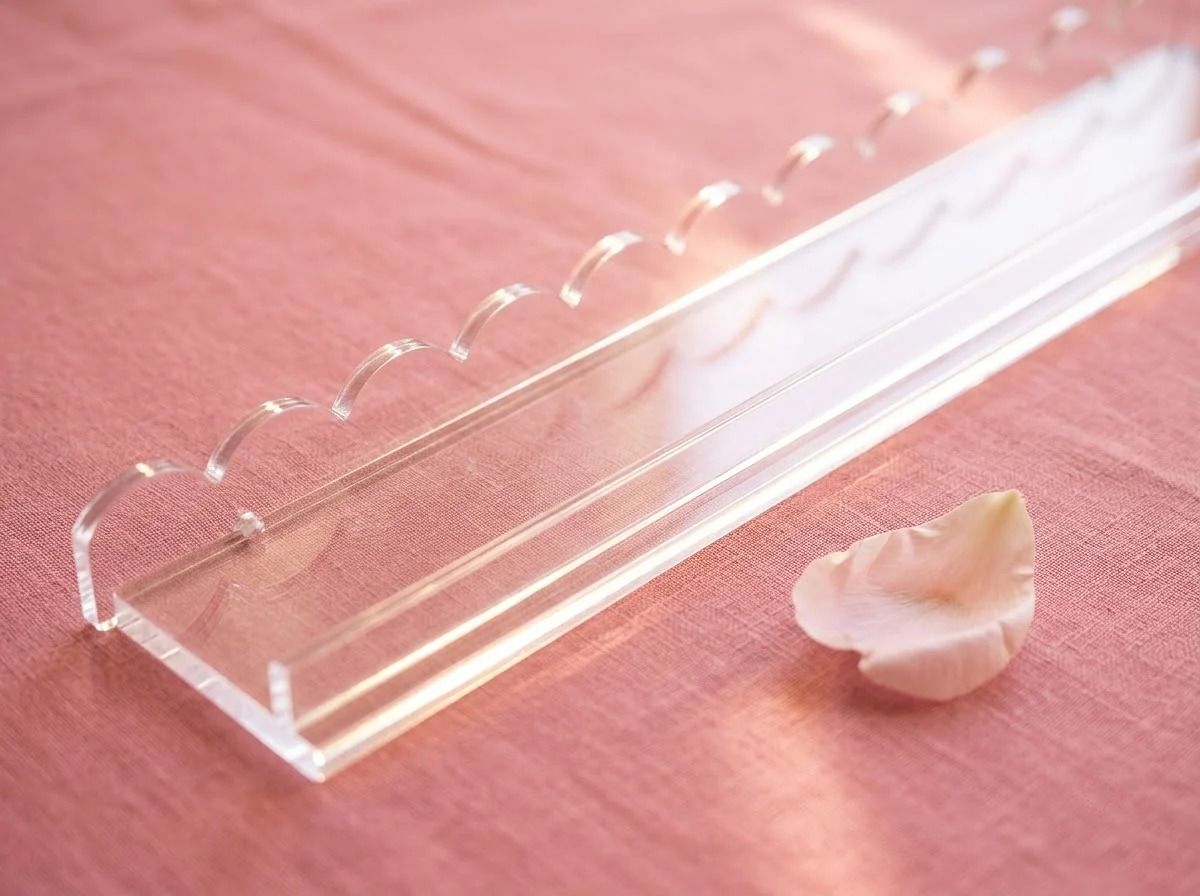
Common mistakes when buying pushers and how to avoid them
Mistake top: Buying pushers separately from racks. Pushers sold alone are often generic and poorly sized; they may be too long, too short, or angled awkwardly for American tiles. Always buy a complete rack-with-pushers combo designed for your tile size.
Mistake #2: Choosing slippery material on smooth tiles. If you own acrylic tiles (the most common type in American mahjong), acrylic or highly polished bone pushers can slip. Test the grip first or buy from a trusted source like Mahstead that pairs materials intentionally.
Mistake #3: Ignoring the rack's stability. A wobbly rack wastes time because tiles tip over during play. Look for a rack with a weighted base, a lip that holds tiles firmly, and feet that won't slide on a mat. Check reviews or ask other players about specific designs before ordering.
Mistake #4: Buying decorative racks without testing playability. Pretty racks sometimes have dividers too tight for quick meld exposure or pushers that don't fit smoothly. Prioritize playability over aesthetics; a beautiful but clunky rack slows your game.
Mistake #5: Not considering tile size and weight. Hong Kong or mini tiles need smaller, lighter pushers; American mahjong tiles are standard size and require pushers 4–5 inches long. Measure your tiles before ordering, especially if mixing vintage and modern sets.
What to check before you buy
Pusher length: 4–5 inches is standard for American tiles; measure against your hand and tiles.
Grip material: Bone or textured wood for acrylic tiles; acrylic for non-glossy tiles.
Rack lip height: Should hold tiles upright without obscuring them; 1–1.5 inches is typical.
Rack base weight: Test stability on a mat; a rack shouldn't tip when you reach across the table.
Pusher count: Ensure each rack comes with two pushers so all four players have one spare.
Return or replacement policy: Buy from sellers (like Mahstead) that stand behind quality—cheap pushers that scratch your tiles cost money in the long run.
Compatibility with your tiles: If your tiles are acrylic, confirm the pusher materials won't slide or scratch.
Most players don't think about these details until they're halfway through a game and their rack tips over or a pusher scratches a prized tile. Spending five minutes on this checklist saves hours of frustration.
✨ Find your Mahstead set — free US shipping →
Why upgrade your racks if you already have a set?
Many players start with a basic set of tiles and play on a tabletop or with tiles scattered across their lap. It works, but it's slow and messy. Once you buy quality mahjong racks with pushers, the difference is immediate: faster hand sorting, fewer misdeals, cleaner exposures of melds, and a professional feel to your game. Racks also protect your tiles—loose tiles in a pile get bent, and bent tiles slow you down during play. If you've invested in a beautiful hand-engraved set or a colorful acrylic design, a proper rack shows off the investment and keeps tiles in pristine condition for decades. Hosting regular games? Racks eliminate the chaos of each player managing their own pile of tiles and make the game feel organized and inclusive. Many players report that adding racks to their setup actually made them enjoy mahjong more—less fiddling, more focus on strategy and conversation. Think of racks and pushers as protecting and honoring your tiles, not as optional add-ons.

FAQ
Do all mahjong pushers work with all tile sizes?
No. American mahjong tiles (standard size) require 4–5 inch pushers; mini or Hong Kong tiles need shorter, lighter pushers. Always confirm your tile dimensions match the pusher length before ordering. A pusher that's too long or short will rotate awkwardly in your hand and won't grip tiles smoothly.
Can I use a pusher designed for Chinese mahjong with American tiles?
Not reliably. Chinese mahjong pushers are often smaller and lighter because Chinese tiles are smaller. American tiles are heavier and larger; they need a pusher with a longer grip and stronger, textured tip. Using a mismatched pusher often results in tiles sliding or being pushed too far across your rack.
How often do pushers need to be replaced?
Well-made bone or wood pushers last 10+ years of regular play with minimal wear. Cheaper acrylic pushers or poorly made wood may need replacement after 2–3 years if used heavily. Signs of replacement: cracked tips, splintering, or excessive wear that causes slipping on your tiles.
Should I buy the pushers that come with the rack or upgrade separately?
Most quality racks come with good pushers; upgrading separately isn't usually necessary. However, if your racks came with generic acrylic pushers and you own acrylic tiles, upgrading to bone or wood is worth the cost. Check the material before buying; if it's already bone or textured wood, you're set.
Can I use a rack without pushers?
Technically yes, but you'll spend far more time managing tiles, and your racks will slip around your hand awkwardly. Pushers are designed to work with racks—buying one without the other defeats the purpose. A complete rack-and-pusher system is the smart investment.
What's the difference between a rack and a hand rack with a pusher?
A simple rack is just a stand for tiles; a hand rack includes an angled lip and grip area where you can hold the whole thing steady in your lap or on the table. Pushers are tools you use to rearrange tiles within that rack. Many modern sets combine all three: a stable hand rack with good lip design and quality pushers included.
Do I need different pushers for different tile materials (acrylic vs. bone)?
Not necessarily. A bone or wood pusher works well on any tile material. An acrylic pusher works on bone or ceramic tiles but can slip on smooth acrylic. If you own mostly acrylic tiles (the most common for American mahjong), bone or wood pushers are the safer choice and will last longer.
Is there a "best" brand of pusher for American mahjong?
Quality matters more than brand. Mahstead pairs its best-selling mahjong sets with racks and pushers that are tested by real weekly players. Look for pushers that are specifically designed for American tile size and come from sellers experienced in American mahjong, not generic imports.


View More
View More
View More
