
Bakelite Mahjong Tiles: Weight, Feel & What Players Actually Want
Last updated: Nov 23, 2026
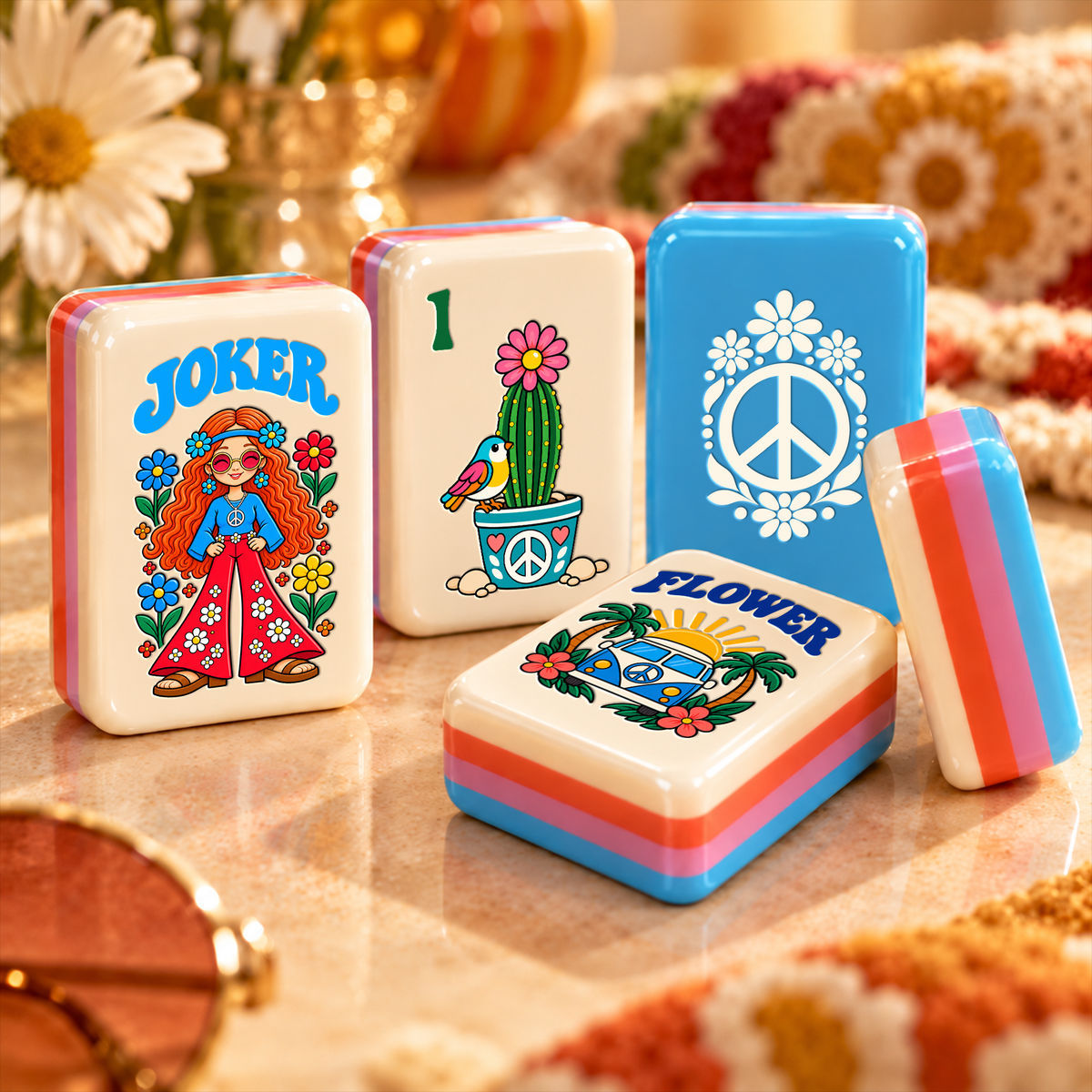
Bakelite mahjong tiles are heavier—typically 8–10 grams per tile versus 5–7 grams for acrylic—and produce a deeper, sharper click when drawn or discarded. Bakelite is a hard phenolic resin that resists chipping and fading better than acrylic over years of weekly play, though it's more brittle if dropped on hard floors and requires careful storage. Most American players choose acrylic because it's lighter to carry, cheaper, and forgiving; bakelite attracts players who value authentic weight, casino-style sound, and long-term durability. Weight preference is personal—host a game with both types before committing.
What makes bakelite tiles heavier than acrylic?
Bakelite is a denser material than acrylic resin. Bakelite weighs approximately 1.3–1.4 grams per cubic centimeter, while acrylic averages 1.1–1.2 grams per cubic centimeter. Because both tile types are roughly the same size (typically 1.25″ × 1″ × 0.63″), the density difference translates directly to weight. A complete 160-tile bakelite set weighs 1.3–1.6 pounds more than an acrylic equivalent. That extra mass creates a noticeable heft when you pick up tiles from the wall or shuffle your hand, and it's one reason bakelite is associated with "serious" or "vintage" play.

How does weight affect gameplay and comfort?
Heavier tiles slow your draw slightly—your hand moves with more deliberation, which some players find meditative and others find fatiguing over three-hour sessions. Lighter acrylic tiles feel quicker and less tiring for players with hand weakness, arthritis, or fatigue. Weight also affects tile security on racks with pushers: heavier tiles are less likely to slide or tip, while lighter acrylic tiles require firm pusher contact. During the Charleston (the tile-passing ritual before play), heavier tiles move more slowly across the table, giving you slightly more time to react. In competitive games, this negligible delay rarely matters; in casual play, it's immaterial. Choose based on comfort, not performance—neither weight class gives you an edge.
What's the durability difference between bakelite and acrylic?
Bakelite resists color fading and surface scratching better than acrylic under sustained use. Acrylic develops a milky cloudiness after 10+ years of weekly play and humid storage, while bakelite remains glossy and bright indefinitely if kept dry. However, bakelite is more brittle: drop a bakelite tile on tile from waist height and it's likely to chip or crack; acrylic is more forgiving and flexes slightly on impact. Bakelite also absorbs moisture more readily, so tiles stored in humid basements or near dishwashers can swell or warp. Acrylic is stable across temperature and humidity swings. For a game hosted weekly in a climate-controlled home, acrylic lasts 15–20 years without degradation. Bakelite lasts 25+ years if you're fastidious about storage—otherwise, it deteriorates faster than acrylic in neglect.
🀄 Shop best-selling mahjong sets →
How do bakelite tiles sound and feel different?
Bakelite produces a sharper, higher-pitched click when tiles collide—a satisfying clack that carries across the room. Acrylic tiles sound duller and more muffled, with a softer thunk. Many veteran players (especially those who learned on bakelite in the 1970s–90s) associate the crisp bakelite sound with authenticity and "real" mahjong. This is largely nostalgia: the sound has no bearing on gameplay. Tactilely, bakelite feels cooler and more substantial in your hand; acrylic feels slightly warmer and more forgiving. Neither is objectively better—your preference often reflects what you learned on. If you grew up with bakelite, switching to acrylic feels cheap; if you started with acrylic, bakelite feels unnecessarily heavy. Spend 30 minutes with both before deciding.

Which material is easier to maintain and clean?
Both materials are easy to wipe clean with a soft, dry cloth. Bakelite can yellow slightly from sun exposure and may develop a sticky surface if exposed to heat or dust accumulation—a gentle wipe with a slightly damp (not wet) cloth removes this. Never soak bakelite tiles; they'll absorb water and swell. Acrylic is more forgiving: you can rinse it under cool water and dry it thoroughly without risk. Engraved tiles of either material require extra care around the carved details—dust accumulates in grooves, so a soft brush or compressed air works best. Store both materials in a mahjong bag or case to keep dust out. Bakelite's appeal assumes you're willing to be a bit protective; acrylic suits casual players who prefer zero fuss.
Bakelite vs. acrylic: which should you choose?
Factor | Bakelite | Acrylic | Best for |
Weight per tile | 8–10 g | 5–7 g | Bakelite for heft; acrylic for ease |
Sound | Sharp, crisp click | Duller thunk | Bakelite for ambiance; acrylic for quiet play |
Durability (ideal storage) | 25+ years | 15–20 years | Bakelite if meticulous; acrylic if relaxed |
Durability (poor storage) | Warp, absorb moisture | Cloudy, still functional | Acrylic more forgiving |
Brittleness | High (chips easily on impact) | Low (flexes, survives drops) | Acrylic for households with kids |
Price basis | Higher (specialty suppliers) | Lower (mass-produced) | Acrylic for budget players |
Ease of care | Requires dry storage | Washable, low-maintenance | Acrylic for busy players |
Feel in hand | Cool, substantial, deliberate | Warm, light, fast | Personal preference |
Choose acrylic if you value portability, durability under neglect, and ease of care. Choose bakelite only if you're committed to proper storage and you genuinely prefer the weight and sound—nostalgia alone isn't a reason to buy a material that demands more work.
🎁 See our most-loved mahjong sets & accessories →
What to check before you buy
Material confirmation: Verify whether a set is bakelite or acrylic before purchase—many older listings don't specify, and supplier descriptions can be vague. Ask directly: "Are these tiles bakelite phenolic resin or acrylic?" If unsure, assume acrylic (it's the modern standard).
Weight tolerance: If you have hand strength limits or play sessions longer than 2 hours, request a sample tile or hold one in person. Bakelite's extra weight compounds over time.
Storage reality: Be honest about your setup. If your mahjong is stored in a basement, garage, or humid climate, acrylic is safer. Bakelite demands climate-controlled storage.
Engraving clarity: Bakelite holds engraved details as sharply as acrylic, but engraving in either material means dust traps. Smooth tiles are easier to maintain.
Complete set integrity: A bakelite set with missing or chipped tiles is harder to replace than acrylic, since bakelite suppliers are rarer. Acrylic tiles are easier to source individually if needed.
✨ Find your Mahstead set — free US shipping →
Explore engraved American mahjong tiles in acrylic, designed for durability and precision. Our sets ship free across the US and pair perfectly with mahjong mats and travel bags for a complete hosted game setup.

FAQ
Can you switch from bakelite to acrylic mid-game?
Yes. The tile faces, counts, and game rules are identical. You'll notice the sound and weight difference immediately, but play resumes without adjustment. Many players test both before committing to a purchase.
Does bakelite fade faster than acrylic?
No—bakelite resists fading better. Acrylic can develop a milky appearance after 10–15 years of weekly play, while bakelite stays glossy if stored properly. However, bakelite yellows in direct sunlight.
Are bakelite tiles worth the extra cost?
Only if you value weight, sound, and long-term durability enough to maintain proper storage. If you prioritize ease of care and portability, acrylic offers better value for most players.
What happens if I drop a bakelite tile on a hard floor?
It's likely to crack or chip. Bakelite is brittle. Acrylic flexes and usually survives. Store bakelite carefully and keep a soft mat underneath your play area.
Can bakelite tiles be mixed with acrylic tiles in the same set?
Technically yes, but not recommended. Mixed weights and sounds distract players and make the game feel uneven. Keep tile materials consistent within a set.
How do I know if a vintage mahjong set is bakelite or celluloid?
Bakelite is heavier, doesn't flex, and often has a slightly brittle edge. Celluloid (an older plastic) is lighter, more flexible, and yellows dramatically. If it feels substantial and has a sharp click, it's likely bakelite.


View More
View More
View More
