
Bachelorette Mahjong Party Invitations: Wording & Ideas
Last updated: Nov 23, 2026
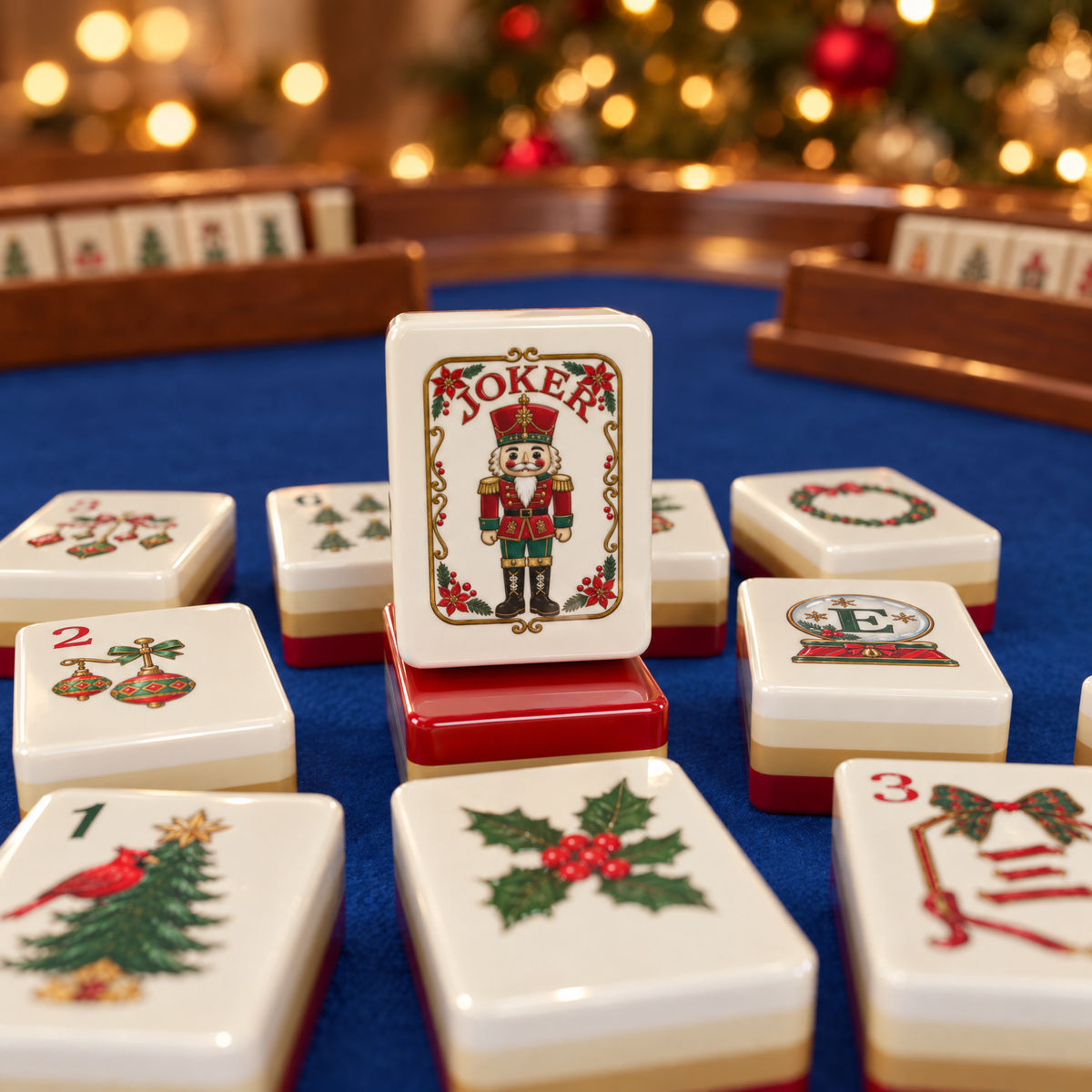
A bachelorette mahjong party invitation should announce the date, time, location, and tile-themed dress code or joke in 1–2 sentences that riff on mahjong slang ("winning hand," "lucky tiles," "going out") or bride-adjacent puns ("one bride, four winds," "match this tile, marry this style"). Keep the core date/time/place info clear, add a playful mahjong angle (reference to the 160-tile set or jokers), and optionally mention a tile or flower motif if your decor will echo it—guests love when the invite matches the table setup. Many hosts send digital invites 2–3 weeks ahead and include a Mahstead best-selling mahjong sets link so newcomers can peek at what tiles look like; experienced players will appreciate a set with engraved or themed tiles that match your party's vibe. 🀄 Shop best-selling mahjong sets →
What do mahjong puns work best in a bachelorette invite?
Mahjong puns land hardest when they flip familiar wedding phrases or game slang. "Four winds, one bride" echoes the wedding classic "four months, one wedding." "This tile is a match—unlike my dating history" uses the game mechanic (matching identical tiles) as self-aware humor. "Discard the drama, keep the bride" plays on the discard pile mechanic. "Going out with a bang (and a pung of dragons)" mixes the "going out" win condition with a pung (three identical tiles) and a bridal vibe. Avoid pure mahjong jargon newcomers won't parse (chows don't exist in American mahjong, and quints are rare enough to confuse non-players). Test your pun on a friend who doesn't play mahjong; if they don't laugh, simplify it or skip it.

Should the invite explain mahjong rules or assume everyone knows?
If your guest list includes mahjong regulars only, skip the rules; they'll recognize the vibe instantly and bring tiles from their own best-selling mahjong sets. If you have mixed experience or beginners, give a one-line descriptor: "Classic American mahjong (tile-matching game, easy to learn, endlessly fun)" or "Think gin rummy meets solitaire—we'll teach you in 5 minutes." Never assume everyone knows how the game works, and don't turn your invitation into a rulebook. Offer a link to a beginner guide (like "Mahjong for Beginners" if you have one) as optional reading. Experienced players appreciate that you're welcoming newcomers; beginners feel invited, not intimidated.
What details matter most in the invite?
Priority order: date, time, location, RSVP deadline, attire/dress code (if any—"cocktail," "tile-inspired," "green and gold"), and a contact for questions. Mention whether you're providing the mahjong set and tiles or asking guests to bring their own (rare, but it happens). If hosting at home, include parking notes or a map link. If at a venue, confirm they allow games and won't charge a table fee. Add a one-liner about refreshments (snacks, drinks, dessert) so guests know whether to eat beforehand. Avoid over-packing the invite; one visual element (a single tile graphic, a flower motif, or a simple color scheme echoing a mahjong suit) keeps it elegant rather than cluttered.
How can invite design echo the mahjong theme without looking cheesy?
Use a single mahjong suit color as an accent: Bam (bamboo, warm gold/tan), Crak (cracker, red/orange), or Dot (circle, usually white/neutral with colored dots). A minimalist border of tile shapes or a single small tile graphic in the corner reads sophisticated. Font choice matters: serif fonts feel classic and game-night appropriate; ornate script can feel wedding-y without being tacky. Skip photorealistic tile images and neon branding; instead, choose flat icons or watercolor style. Incorporate the bride's initials or wedding date as a subtle design element. When your invite's aesthetic matches your actual mahjong mats or tile set colors, guests notice the coherence and feel the care you've taken—this is a minor detail but memorable.
🎁 See our most-loved mahjong sets & accessories →

How far ahead should you send a bachelorette mahjong invite?
Send digital invites 3–4 weeks ahead for a Saturday game; 2–3 weeks for a weeknight. This gives guests time to arrange childcare, block their calendar, and, if they're nervous, brush up on rules. For a destination bachelorette or a large event (8+ players), aim for 4–6 weeks. Include an RSVP deadline at least 10 days before the event—this gives you time to confirm player count (ideal is 4 players per table, 8 total if you run two tables) and adjust whether you need extra mahjong racks with pushers or a second set. If your invite goes out close to the date, expect last-minute regrets and have a backup activity ready (or recruit a co-host to play the fourth hand).
Sample wording for different invite tones
Tone | Sample | Fit | Why it works |
Casual / funny | "Tile we meet: [Name]'s mahjong bachelorette. Winner buys her a drink. Losers buy her dinner." | Close friends, irreverent bride | Funny stakes, low pressure, bride-focused |
Elegant / sophisticated | "You're invited to an evening of American mahjong in celebration of [Name]. Four winds, one bride. Cocktails & conversation at [location]." | Mixed group, upscale venue | Shifts tone to sophisticated game night |
Playful / punny | "Discard the drama—join us for tiles, laughs & [Name]'s last hurrah. RSVP by [date]." | Creative friends, younger crowd | Pun lands without overdoing mahjong jargon |
Straightforward | "[Name]'s mahjong bachelorette. Learn to play or play to win—all experience levels welcome. [Date/Time/Place/RSVP]." | Beginners likely, clear expectations | Removes guesswork, invites nervous players |
What to check before you send
Confirm the mahjong set you'll use works for your guest count. A standard 160-tile American mahjong set supports 4 players per table (152 tiles in play, 8 spare jokers). Two tables = two sets. Check that your set's tiles are legible—if guests are over 50 or the lighting is dim, larger tiles matter.
Test your pun or theme joke on one person outside your guest list. If they don't get it, dial it back or cut it.
Include exact parking, entry, or venue directions, especially if it's someone's home or an unfamiliar bar. Nothing kills vibe like guests circling the block.
Mention whether booze will flow. Some guests plan accordingly; others appreciate knowing it's a dry game night.
Send a reminder text or email 3–5 days before. Life happens; this catches cancellations early.
✨ Find your Mahstead set — free US shipping →
Our pick: Ties between your invite and your table
If your invite design uses a specific color or theme, match it on game night with tiles from our best-selling mahjong sets—acrylic sets come in classic jade green, classic red, or modern hues that align with Bam (gold), Crak (red), or Dot (ivory). Pair it with a coordinating mahjong mat in the same color family so your photo ops feel intentional, not random. A travel bag in a complementary color also carries the set safely to a venue and doubles as a décor piece.

FAQ
Can I send a bachelorette mahjong invite via social media, or does it need to be formal?
Social media works fine for close friends and casual crowds; a proper invite (email or physical card) suits mixed groups, older guests, or upscale venues. Either way, include the same core info: date, time, location, RSVP deadline, and a note that all experience levels are welcome.
What if the bride has never played mahjong—does the invite need to promise beginner-friendly play?
Yes. One line like "We'll teach you in five minutes—promise" or "Beginner-friendly; experienced players can go deep" takes the anxiety out of the room before guests arrive. This is especially important if some attendees are confident players and others are not.
How many players should the invite mention or assume?
For a single table, say "4 players" explicitly. For multiple tables, say "Up to 8" or "Seats available; please RSVP early." This helps guests understand the size and vibe of the night and prevents overcrowding.
Should I include a link to mahjong rules in the bachelorette invite?
Optional but thoughtful. A one-sentence offer ("New to mahjong? Here's a quick primer") with a link works better than burying rules in the invite. Most beginners won't read a long explanation until they're seated at the table and nervous.
Is it tacky to mention the cost of the event (if guests are chipping in for catering or the venue) in the invite?
No—transparency builds goodwill. Say something like "$15 per person covers drinks and snacks; RSVP to [name] with payment by [date]." Avoid burying costs or surprising guests; this is a celebration, not a gotcha.
What's the best way to word the invite if some guests don't know each other?
Emphasize the game as the connector: "Meet the bride's crew over tiles, drinks & laughs. Zero mahjong experience? No problem—we'll all learn together." This reframes the event from "social pressure" to "game night," which is lower stakes and more fun.


View More
View More
View More
