
Automatic Mahjong Table Size Guide: Choose Right
Last updated: Nov 23, 2026
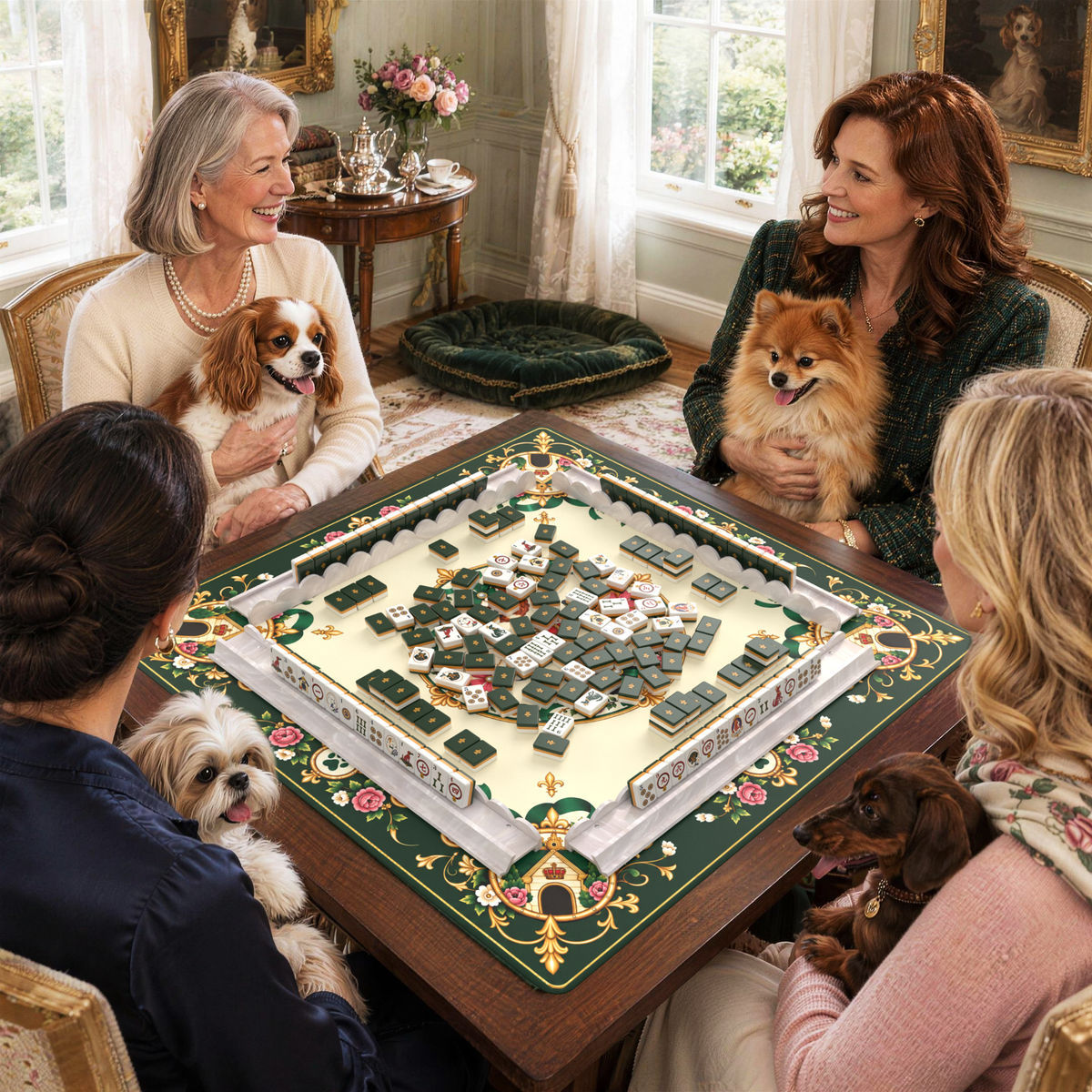
Automatic mahjong tables come in three main sizes: 32–36 inches (apartment-friendly, one or two games weekly), 39–40 inches (standard home setups for four players in a dedicated game room), and 42 inches (tournament-spec, requires a 10×10-foot room minimum). Each size dictates the actual play surface where the 152 tiles and 8 jokers sit during a hand. Before ordering, measure your space wall-to-wall in both directions, confirm ceiling height (electric models need 30+ inches clearance above), and verify your floor can support 300–500 pounds. Most tables come disassembled; assembly takes two people 45–90 minutes. Automatic tables reset and shuffle tiles but still require the Charleston hand-passing ritual and live rule enforcement. If you host weekly games and space is tight, a 36-inch table with a quality mat works; if you have a dedicated room, go 40+ inches so all four players sit comfortably without elbows touching the wall.
When you're setting up a weekly game at home, an automatic mahjong table saves hours of manual shuffling—but the size you choose makes or breaks the experience. Too small, and players' hands collide; too large, and you can't fit it through a doorway. We'll help you match table dimensions to your space, playing style, and group needs.
What size automatic table fits a standard four-player game?
A 39–40-inch automatic table is the sweet spot for most home game groups. At that size, each player sits 3–4 feet from the center, tiles dispense reliably, and four adult elbows don't bang together during play. This footprint assumes you have a 9×9-foot room (roughly the size of a bedroom or small den); the table itself occupies roughly half that space. Anything smaller than 36 inches forces players into cramped positions and tiles jam more often during resets. Anything larger than 42 inches requires either a dedicated game room or the willingness to leave it set up permanently. Most home groups choose 39–40 inches because it's portable enough to move for seasonal storage yet spacious enough that players don't feel squeezed.
🀄 Shop best-selling mahjong sets →
How do I measure whether an automatic table will fit my space?
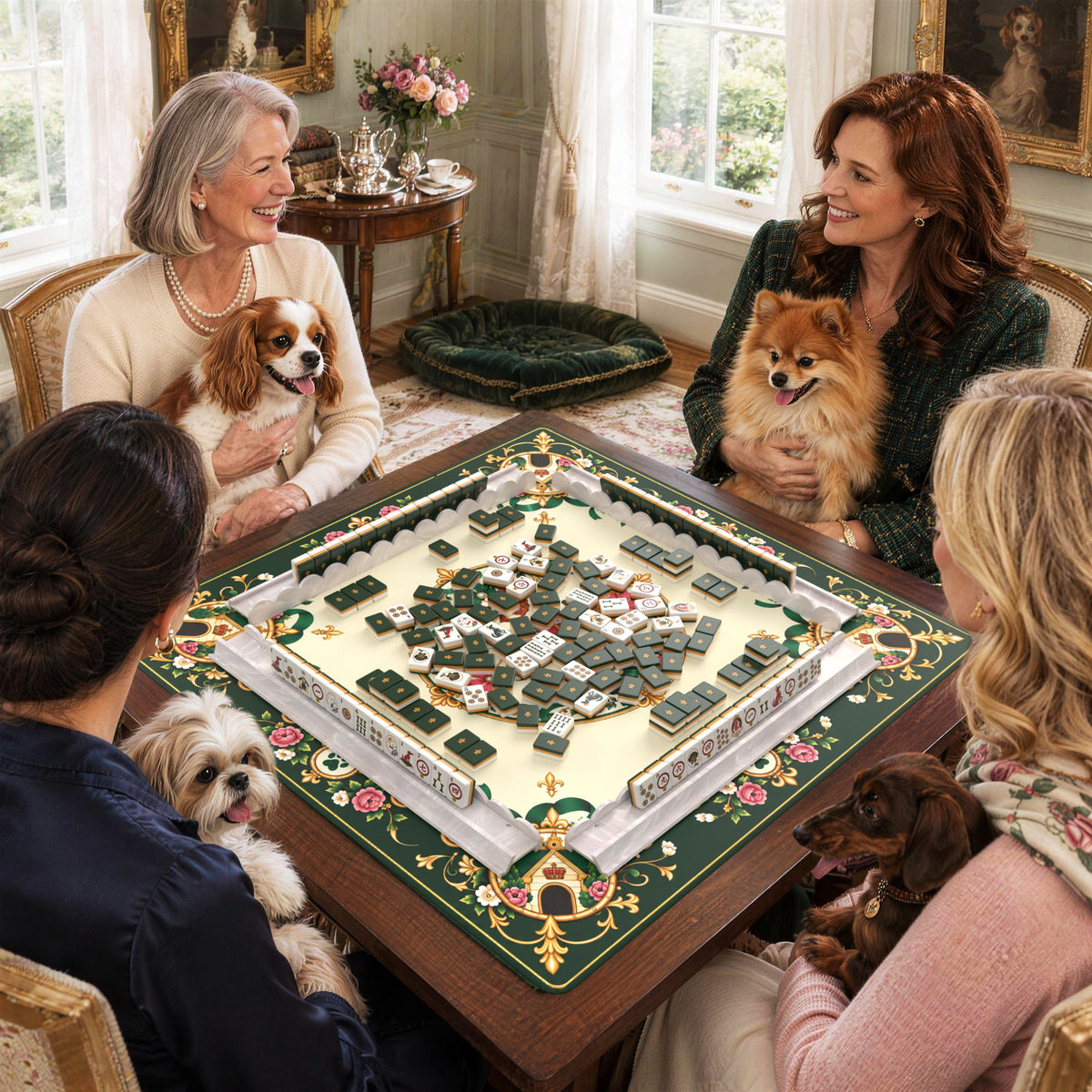
Measure three dimensions: (1) the table footprint in inches (width × depth—usually square or nearly square), (2) the space around the table you'll need for chairs (typically 18–24 inches per side so players can sit and move freely), and (3) the clearance above the table (at least 30 inches for the electric motor and tile dispenser to operate). Mark your floor with tape before you order, then have one person stand at each of the four sides to confirm comfort. If your room has a built-in bar or wall alcove, check that the table's corners or edges don't interfere. Many buyers ignore the 18-inch chair clearance rule and end up with a table they can't actually play at. Measure twice; order once.
When should you choose a compact 32–36-inch table?
A 32–36-inch table works if you (1) live in a studio or one-bedroom apartment, (2) host games only once or twice a month, (3) plan to store it away after each session, or (4) prioritize portability over luxury. At this size, the table fits through a standard 30-inch doorway and sits snugly in a corner when not in use. The tradeoff: tile dispensing can be sluggish during resets, reaching across the center feels awkward for taller players, and the play surface feels noticeably smaller than a standard table. If you're a beginner building your first setup, a 36-inch table with a quality mat and racks with pushers lets you test whether you'll host weekly games before investing in a 40-inch permanent fixture.
🎁 See our most-loved mahjong sets & accessories →
What's the difference between 40-inch, 42-inch, and tournament-size tables?
A 40-inch table is the standard American home size and fits most game rooms without feeling industrial. A 42-inch table is tournament-spec (used in National Mah Jongg League sanctioned play and larger clubs) and requires a 10×10-foot minimum space to play comfortably. Some vendors claim "tournament-grade" for a 40-inch table; tournament-grade actually refers to the tile quality and reset mechanism, not footprint alone. Tournament tables also often include scoreboards, cup holders, and weight ratings for frequent play. Unless you're hosting four players weekly in a dedicated space, a 42-inch table is overkill and harder to move if you remodel or change where you play. If you do want a permanent tournament setup, confirm your floor joists can handle 400+ pounds.
Compact vs. full-size: a side-by-side checklist
Factor | 32–36" (Compact) | 39–40" (Standard) | 42" (Tournament) |
Ideal room size | 7×7 ft | 9×9 ft | 10×10 ft+ |
Doorway fit | Yes (30") | Check frame | Usually no |
Chair clearance needed | 12–14 in. per side | 18–20 in. per side | 20–24 in. per side |
Portability | Easy; store in closet | Moderate; two people needed | Heavy; nearly permanent |
Tile jam risk during reset | Medium–high | Low | Low |
Player comfort (4 adults) | Crowded | Ideal | Spacious |
Setup time (disassembled) | 45 min | 60–90 min | 90+ min |
Best for | Apartments, casual month-monthly play | Home weekly games | Clubs, large rooms, serious players |
Choose based on how often you play, whether you'll leave it up, and how much space you can spare.
What should you check before ordering an automatic table?
Before you commit to a size, verify these five details:
Delivery and assembly: Will the vendor deliver and assemble, or do you handle it yourself? Unboxing and assembling a 40-inch table typically needs two people and 1.5 hours. Doorways, staircases, and tight hallways can trap a 40-inch table mid-delivery.
Weight and floor support: Automatic tables weigh 300–500 pounds. Apartment dwellers on upper floors should confirm with their landlord or engineer that the floor can take concentrated load. Older buildings and wood-frame homes are more at risk than concrete slabs.
Motor and reset reliability: The automatic shuffle and deal are the whole point. Read independent reviews (not just vendor claims) about whether the motor jams, whether tiles dispense evenly, and whether customer support helps if something breaks.
Tile quality: Some automatic tables come with cheap, slippery tiles. If you're buying a best-selling set from our collection separately, check that the table's tile slots match standard American mahjong tile thickness (typically 0.25–0.3 inches).
Electrical setup: Automatic tables plug into standard 110V outlets. Confirm your game room has an outlet within the table's cord length (usually 6–10 feet). Do not use an extension cord longer than 25 feet or a daisy-chain power strip.
✨ Find your Mahstead set — free US shipping →
How automatic tables change the game itself
An automatic table doesn't change the rules of American mahjong—you still draw from the wall, follow the current year's National Mah Jongg League card, and execute the Charleston before each hand. What it does is eliminate the 10–15 minutes of manual shuffling and stacking, so your group plays more hands per evening and spends less time with sore wrists. However, some players miss the ritual of shuffling; others love the speed. If you're new to the game, play on a quality mat at a friend's house or club first to decide whether an automatic table is worth the investment. Many weekly groups start with a standard table and a mat, then upgrade to automatic after a year of regular play.
Space-saving setups: mat and rack as alternatives
If an automatic table won't fit or you're not ready to spend, pair a mahjong mat with racks and pushers on a regular dining or card table. A mat protects the surface and gives the tiles a smooth play area; racks keep your hand organized and visible. This setup costs far less, takes up minimal space, and works perfectly for weekly games. You'll shuffle by hand, but that's part of the tradition. If you later want an automatic table, you'll already have the mat and racks for backup or travel games.
FAQ
Can I fit a 40-inch automatic table in a room smaller than 9×9 feet?
Not comfortably. Players need at least 18 inches of clearance on all four sides to sit, move their chairs, and avoid elbow collisions. A 40-inch table in an 8×8 space feels cramped and unsafe.
Do automatic mahjong tables come pre-assembled?
Most ship disassembled to fit through doorways and reduce shipping cost. Assembly typically requires two people and takes 60–90 minutes; some vendors offer white-glove delivery for an additional fee.
What's the weight limit for automatic tables on apartment floors?
Most automatic tables weigh 300–500 pounds. Apartment floors typically support 40 pounds per square foot; a 40-inch table concentrated on a ~16-square-foot footprint can exceed that. Consult your landlord or a structural engineer before installing one above occupied units.
Can I use my own mahjong tiles in an automatic table?
Yes, if your tiles are standard American size (roughly 1-inch × 0.75-inch × 0.25–0.3-inch thick). If your mahjong set is significantly thicker or thinner, tiles may jam or not dispense evenly.
How often do automatic table motors break, and can I repair them myself?
Failure rates vary by brand and usage; heavy weekly play increases wear. Motors are complex and vendor-specific; do-it-yourself repair usually voids the warranty. Always buy from a vendor with accessible customer support and a clear warranty policy.
Is a 42-inch tournament table overkill for a home game?
Yes, unless you have a dedicated 10×10-foot game room and host six or more players monthly. Most home groups thrive on a 39–40-inch table and save the tournament size for clubs or casinos.


View More
View More
View More
