
Are Melamine Mahjong Tiles Good? Durability & Value
Last updated: Nov 23, 2026
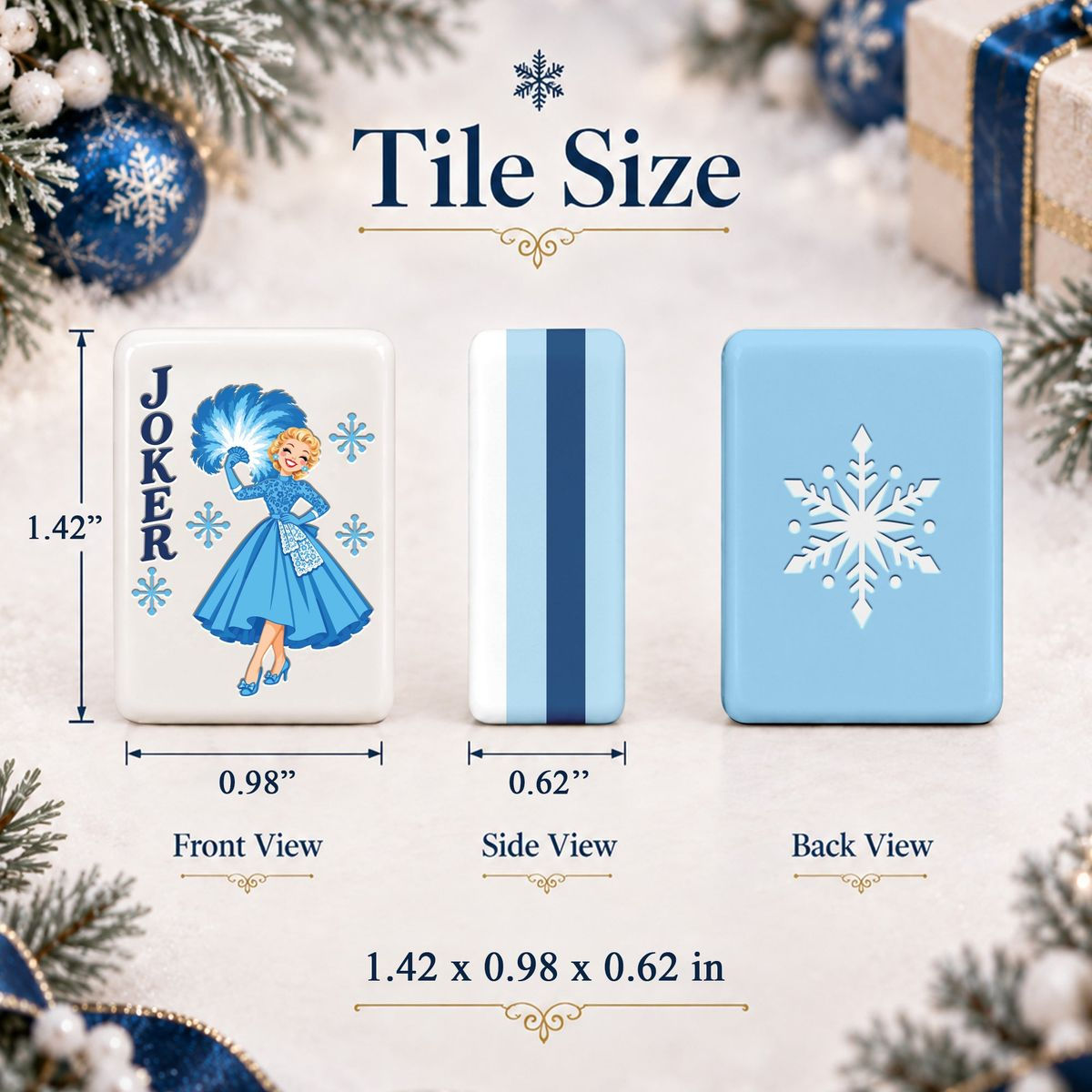
Melamine tiles are durable, lightweight, and affordable—ideal for players hosting weekly games or learning American mahjong on a budget. Made from compressed resin, they resist chips better than bone or bamboo, weigh less than jade or wood, and survive repeated shuffles over years of play. They sound different than traditional materials (a quieter click rather than a crisp snap), which some players prefer and others dislike. Melamine sets cost less than premium alternatives, making them the entry point for most home groups. The trade-off: they feel less luxurious and don't develop patina with age. For a standard American mahjong set of 160 tiles with engraved designs, melamine is table-tested and reliable across weekly rotations.
What exactly is melamine, and why does it matter?
Melamine is a hard plastic resin manufactured by bonding formaldehyde with melamine powder, creating a durable composite. It's not bamboo, bone, or jade—it's a engineered material tested to withstand decades of shuffling, stacking, and drop impacts. Melamine tiles feel smooth and cool in your hand, stack securely without slipping, and resist humidity better than porous materials. The surface stays consistent; you won't see denting or wear marks after two years of weekly games. What matters most: if you're hosting four-person American mahjong, melamine tiles perform identically to more expensive options during actual gameplay.

How do melamine tiles compare to bone, bamboo, and acrylic?
Material | Durability | Weight | Sound | Patina Over Time | Best For |
Melamine | Excellent; resists chipping | Light; comfortable for 2+ hours | Muted click | None | Weekly home players, beginners |
Bone | Very good; ages beautifully | Medium; slightly heavier | Crisp snap | Yes; develops ivory hue | Long-term players who value tradition |
Bamboo | Good; can splinter with age | Light; similar to melamine | Hollow tap | Yes; darkens with oils | Players seeking natural material feel |
Acrylic | Excellent; highly transparent | Light; stackable easily | Sharp click | None | Engraved designs, visibility seekers |
Melamine occupies the middle ground: more durable than bamboo, lighter and cheaper than bone, less transparent than acrylic. The choice depends on how you'll use your tiles. If you're shuffling two sets a week for four years, melamine won't chip or crack. If you value the feel of authentic materials or want tiles that show age gracefully, bone or bamboo matter more—and cost more.
What sounds do melamine tiles actually make?
Melamine tiles produce a softer, duller click when mixed in the wall or when drawn from your rack. Bone and bamboo create a sharper, higher-pitched snap; acrylic produces a brighter, almost bell-like sound. Players who've used all four materials report that the melamine sound takes one or two games to adjust to, then becomes familiar and even pleasant. Some players prefer it because it doesn't carry as far across a room (useful in apartments). Others find it less satisfying than the traditional crack of bone. The sound has zero effect on gameplay—it's purely aesthetic. Test tiles before committing to a full set if sound matters to your table culture.
Do melamine tiles stain, yellow, or degrade over five years?
Melamine resists staining better than bamboo or bone, which absorb oils from repeated handling and can yellow or darken unevenly. With regular play and occasional wipe-down, melamine tiles stay visually consistent for five or more years. They won't fade or discolor from sunlight or humidity. However, melamine can scratch under severe abrasion (dragging roughly across a textured surface); scratches show as fine white lines on dark tiles and are purely cosmetic. They don't affect gameplay. If your set sits in a humid garage or near a window for years, melamine stays stable; bone and bamboo may warp or split. For players in humid climates or with inconsistent storage, melamine is the practical choice.
🀄 Shop best-selling mahjong sets →

Should you choose melamine if you want engraved tiles?
Engraving works beautifully on melamine and acrylic. The process cuts or prints designs directly into the surface, making symbols and monograms clear and durable. Melamine engraving resists wear because it's cut into the material itself, not applied on top. Bone and bamboo can also be engraved, but the surface is more porous and engraving can blur slightly over time. If you want personalized engraved American mahjong sets—initials, family names, custom designs—melamine and acrylic are equally reliable. Engraving adds no cost difference across materials; it's purely a design preference. For weekly home games, engraved melamine tiles with your family name or a favorite saying become part of the ritual and last through years of use.
What goes wrong with melamine, and how do you avoid it?
Melamine tiles rarely fail during normal play. The main risks: (1) exposure to extreme heat—direct sunlight through a car window in summer or a hot radiator can warp melamine slightly; (2) aggressive cleaning with harsh solvents—dish soap and water work; bleach or acetone will dull the finish; (3) storing damp—melamine resists humidity but shouldn't be sealed in a humid bag right after play. To avoid problems: store your set in a cool, dry place; wipe tiles with a soft cloth and mild soap if sticky; use a padded travel bag or case to protect against impact during transport. Players who've kept melamine sets for five or more years report zero failures when stored and handled normally.
🎁 See our most-loved mahjong sets & accessories →
What to check before you buy melamine tiles
Before ordering a melamine set, confirm these details:
Tile count: Standard American mahjong uses exactly 152 tiles in play, plus 8 jokers. A 160-tile set includes spare tiles. Verify your set includes all suits (Bams, Craks, Dots), winds (North, East, West, South), dragons, and flowers needed for American mahjong.
Engraving options: If you want custom text or designs, check whether the seller offers engraving and what styles are available (script, block, monogram).
Rack and mat: Melamine tiles feel best on a smooth playing surface. If you're buying your first set, add a mat and racks with pushers to keep play organized and comfortable.
Weight and feel: Melamine is lighter than bone; if you prefer heft, ask to compare samples or watch a video of tiles being shuffled.
Sound preference: Listen to audio samples of melamine vs. other materials if sound matters to your table.
✨ Find your Mahstead set — free US shipping →

FAQ
Are melamine mahjong tiles safe to play with?
Yes. Melamine used for mahjong tiles meets standard durability and safety requirements for tabletop gaming. It contains no toxic off-gassing at room temperature. Handle and store normally; no special precautions needed for home play.
How long do melamine tiles last if we play weekly?
Melamine tiles typically remain game-ready for five or more years with weekly use, assuming normal storage and handling. Chips are rare; the main wear is cosmetic scratches, which don't affect gameplay.
Can you tell melamine tiles apart from bone just by holding them?
Yes. Melamine feels smoother and cooler; bone feels warmer and slightly grainy. Melamine is lighter and makes a softer click. Drop test: melamine bounces slightly; bone is more rigid. One shuffle tells most players the difference.
Do melamine tiles work with American mahjong scoring and rules?
Completely. Melamine is a material; gameplay rules depend on tile design and the National Mah Jongg League card, not what the tiles are made of. Use melamine with confidence in any American mahjong game.
Should I buy melamine or acrylic if I want engraved tiles?
Both work equally well for engraving. Melamine is slightly cheaper and feels warmer; acrylic is more transparent and reflects light, making some designs pop visually. Choose based on feel preference and design style.
What's the best way to clean melamine tiles after a game?
Wipe with a soft, barely damp cloth and mild soap. Dry immediately. Avoid harsh chemicals, vinegar, or abrasive scrubbers. This keeps tiles clean and maintains the surface finish.


View More
View More
View More
