
Acrylic vs Wooden Mahjong Tiles: Which Should You Buy?
Last updated: Nov 23, 2026
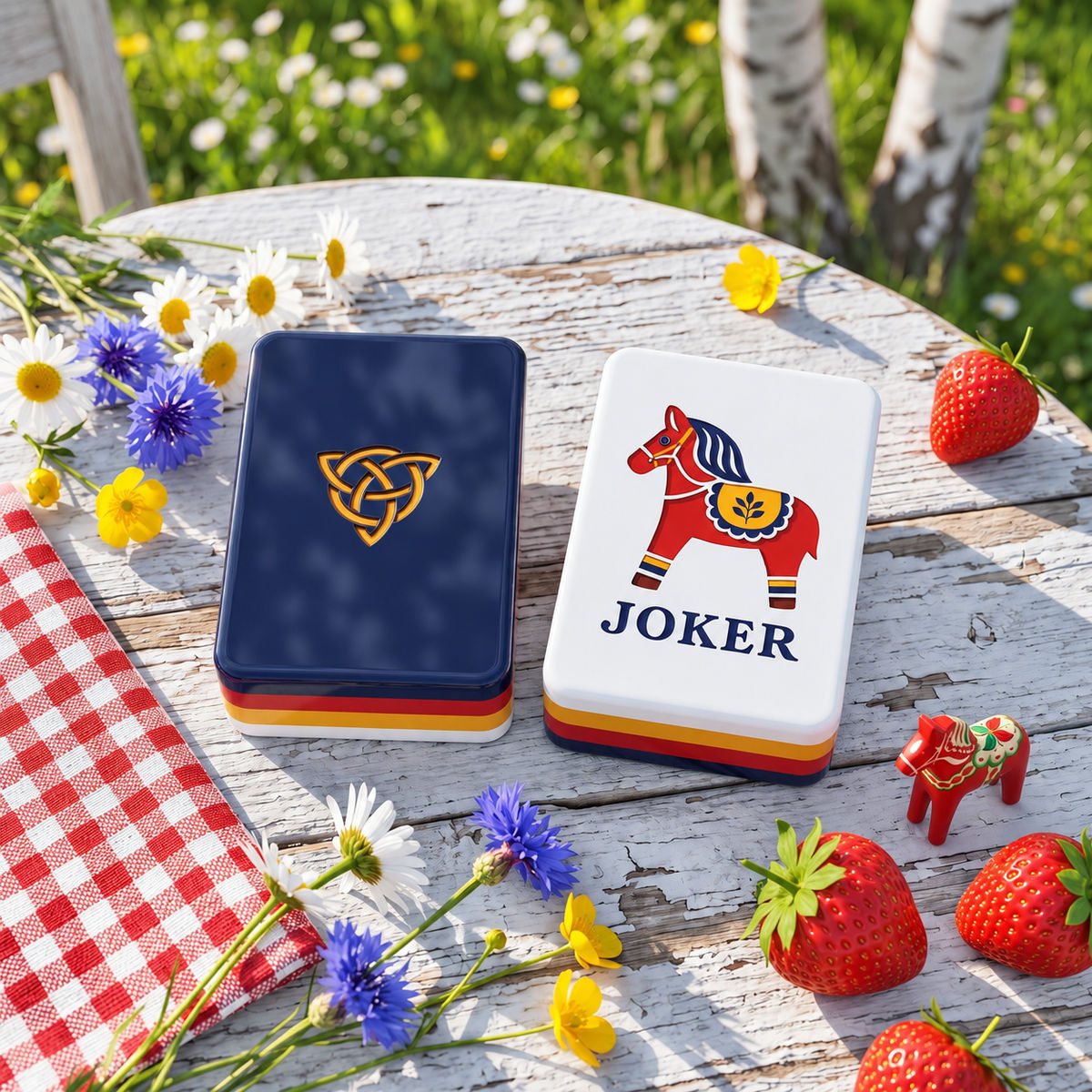
Acrylic tiles are lightweight, chip-resistant, and ideal for frequent players and travel; wooden tiles feel premium, develop character over time, but require more care and cost more upfront. American mahjong sets come in both materials—acrylic dominates modern play because it survives shuffling, storage, and weekly games without cracking. Wooden tiles suit collectors, casual players, or those who prioritize tradition and aesthetic. Neither choice is wrong; it depends on your game frequency, storage space, budget, and how much tactile feedback matters to you. We stock engraved American mahjong sets in acrylic, which handles years of weekly play and ships safely across the US.
Why do acrylic tiles dominate American mahjong today?
Acrylic tiles became standard in American mahjong because they survive the Charleston (the tile-passing ritual at game start) and weekly shuffling without chipping or cracking. A typical 160-tile acrylic set endures hundreds of games—we've hosted weekly tables where the same set has run for five years without a single replacement tile needed. The tiles are molded in one piece, so the paint or engraving fuses to the surface rather than sitting on top. Acrylic also resists moisture and temperature swings, making it safer for humid climates or storage in basements. The material is forgiving: if a tile slides off the rack hard, it bounces. Wooden tiles, by contrast, can split along the grain or chip at the edges if dropped or shuffled aggressively. For anyone playing weekly or traveling with their set, acrylic is the practical choice.
🀄 Shop best-selling mahjong sets →

What does the tactile experience feel like with each material?
Wooden tiles feel heavier and warmer in your hand—many long-time players associate this with "real" mahjong and cite the satisfying click-clack sound when stacking a kong. Acrylic tiles are lighter (easier on wrists during a four-hour game) and make a crisper snap when they click together. The weight difference is real: wooden tiles demand a slightly firmer grip, while acrylic tiles require less effort to move along your rack. If you're building a hand from your rack or pushing tiles into your wall, acrylic moves faster and smoother. Wooden tiles slow you down just enough to feel deliberate—some players love that rhythm. For beginners or players with hand fatigue, acrylic's lower weight is gentler. For collectors or players who value atmosphere, wooden tiles reward you every time you draw a tile. Neither is objectively better; it's visceral preference.
How much does durability really differ in long-term play?
Acrylic tiles outlast wooden tiles by a factor of 3–5 in a weekly game setting. We've seen acrylic sets from our best-selling collection survive 150+ games without cosmetic wear; wooden tiles of standard quality show edge wear after 40–50 games and can develop small chips if stacked hastily or stored in dry conditions. Wooden tiles are prone to warping if humidity fluctuates (especially in basements or uncontrolled storage). Acrylic's rigid polymer structure resists all of these threats. Paint or engraving on acrylic fuses during manufacture, so the design doesn't fade or rub off. On wooden tiles, surface finishes can dull or peel if cleaned aggressively or exposed to direct sunlight. If you're a casual player (4–6 games per year), wooden tiles last indefinitely. If you host a weekly game or travel regularly, acrylic outlasts wooden by years of actual use.

What's the honest cost picture: upfront and long-term?
Acrylic sets generally cost 30–50% less upfront than wooden sets of similar finish quality, based on materials and manufacturing. A solid acrylic American mahjong set with engraving represents good value for weekly players because you won't replace it for many years. Wooden sets command higher prices due to material scarcity, hand-finishing, and perceived prestige. But wooden tiles often need replacement tiles over time (one cracked dragon, a chipped wind), and those replacements cost money—buying individual replacement tiles for wooden sets is often more expensive per tile than buying an entire acrylic backup set. Long-term, acrylic is cheaper. If you play once or twice yearly, wooden's higher upfront cost doesn't hurt because durability demands are low. If you're budget-conscious and play weekly, acrylic is unambiguously the economic choice. See current price on the product page for exact comparisons.
Factor | Acrylic | Wooden | Winner for… |
Upfront cost | Lower | Higher | Budget players |
Weight per tile | 3–4g | 6–8g | Wrist comfort (acrylic); atmosphere (wooden) |
Chip/crack risk | Very low | Moderate-high | Weekly games (acrylic) |
Paint/engraving fade | Minimal (fused) | Gradual (surface) | Long-term aesthetics (acrylic) |
Humidity sensitivity | Minimal | High (warping risk) | Basements/humid climates (acrylic) |
Replacement tile cost | Medium | High per tile | Long-term economics (acrylic) |
Sound/feel preference | Crisp, light | Click-clack, warm | Personal (tied) |
Ideal storage | Any climate | Climate-controlled | Flexible storage (acrylic) |
What should you check before buying acrylic or wooden tiles?
Before you order, ask yourself: How often will I play? If weekly, acrylic is safer. Where will I store the set? If a basement or car, acrylic handles humidity swings better. Do I travel with my set? Acrylic is lighter and more damage-resistant in a bag. Is engraving or custom design important? Acrylic accepts engraving beautifully—we fuse designs into acrylic tiles so they never wear. Wooden tiles can be painted or engraved, but surface finishes fade over time. What's my total budget, including spares? Acrylic plus a long lifespan beats wooden plus eventual replacement costs. Does the game itself feel different to me? If you're a traditionalist and play casually, wooden's aesthetic and sound might justify the cost. Can I store it indoors year-round? Wooden needs stable temperature and humidity; acrylic doesn't care.
Also check tile thickness and face size before ordering—ensure they fit your existing racks with pushers or mats. A set that doesn't fit your gear is frustrating to use, regardless of material.
🎁 See our most-loved mahjong sets & accessories →
Which choice fits your game and budget?
Choose acrylic if you host weekly games, travel, play in humid climates, or want maximum durability without maintenance. Acrylic tiles work year after year in any storage condition. You won't worry about a tile breaking mid-game or replacement costs creeping up. The lighter weight helps if you play for hours. Engraving stays crisp forever. For serious players and gaming groups, acrylic is the smart investment.
Choose wooden if you play casually (a few times yearly), collect vintage sets, prioritize traditional aesthetics, or live in a climate-controlled space. Wooden tiles offer tactile warmth and prestige that appeals to collectors. The sound and heft create a richer experience if atmosphere matters to you. Just plan for occasional maintenance and accept that you'll eventually need a replacement tile or two.
If you're uncertain and play more than twice a month, start with acrylic. You can always add a wooden set later for display or special occasions.
✨ Find your Mahstead set — free US shipping →

FAQ
Can I mix acrylic and wooden tiles from different sets in one game?
No—tiles must match within a 152-tile American set (plus 8 jokers). Mixed materials will differ in weight, thickness, or face size, breaking gameplay flow. Always use one complete set per game.
Do acrylic tiles yellow or discolor over time?
Quality acrylic (fused engraving, UV-resistant pigments) resists yellowing for decades. Cheap acrylic or surface-printed tiles may fade if exposed to direct sunlight. Our engraved sets use fused, fade-resistant methods.
Can wooden tiles be repaired if they crack?
Minor surface cracks can be sealed with wood filler, but structural cracks (splits along the grain) usually require replacement of that tile. Acrylic cracks are rare; if they occur, replacement is your only option—but the cost is lower than wooden replacements.
Are acrylic tiles slippery on a mahjong mat?
Not noticeably—acrylic has enough grip on cloth or rubberized surfaces. If your mat feels slick, it's usually the mat material, not the tiles. Wooden tiles on a smooth mat can actually be slipperier due to their weight.
Do I need special storage for wooden tiles that I don't need for acrylic?
Yes—wooden tiles benefit from stable temperature (65–75°F ideally) and humidity (40–50%). Keep them indoors, away from direct sunlight, basements, or attics. Acrylic tolerates any dry indoor space without special care.


View More
View More
View More
