
Wooden Mahjong Tiles: Pros and Cons for Players
Last updated: Nov 23, 2026
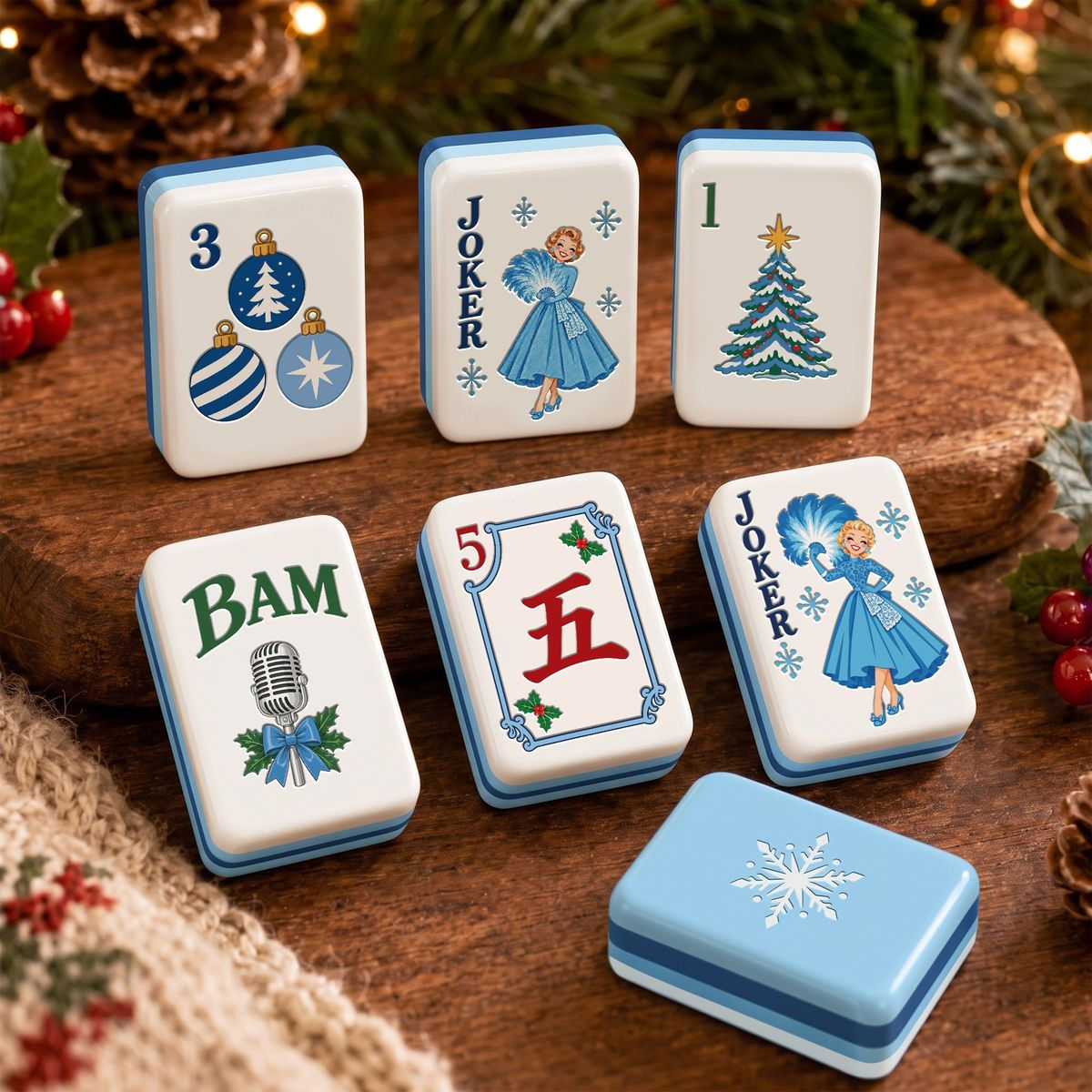
Wooden mahjong tiles offer superior tactile feedback and the satisfying clack sound many players cherish, but they're heavier, more fragile, and typically cost more than acrylic alternatives. American mahjong sets come in both materials; wooden tiles wear faster under regular shuffling and are prone to cracking if dropped, while acrylic resists damage and stays consistent through hundreds of games. Wooden tiles do not absorb moisture, though they can warp in extreme humidity. For casual weekly games, acrylic is practical and durable. For players prioritizing aesthetic tradition or weekend tournaments where tile replacement isn't a burden, wood delivers authentic feel—but expect higher upkeep. Most serious American mahjong players choose acrylic engraved sets precisely because they withstand years of hard play without degradation.
Wooden mahjong tiles feel like heritage in your hands—until one chips during the Charleston and you're hunting replacements. We've hosted weekly games for years with both materials, and honest talk is this: wood and acrylic each solve different problems. Let's unpack what you're actually trading off.
Why do wooden tiles sound and feel so different?
Wood is denser and less uniform than acrylic. When tiles collide during shuffling, the density variation creates a richer, lower-pitched clack—the sound many players learned on or grew up hearing in family games. The weight distribution also feels less "plastic" to touch; wooden tiles have slight irregularity that reads as "real" to fingers trained on classical bone-and-bamboo sets from decades past. Acrylic, by contrast, produces a higher, crisper snap and has uniform weight—modern, neutral, but to purists, it sounds like shuffling poker chips. Neither is objectively better; it's muscle memory and nostalgia. If you learned on wooden tiles, acrylic will feel thin for your first few sessions.

How durable are wooden tiles in weekly play?
Wooden tiles survive moderate shuffling but fail under stress. A tile dropped on tile floor will splinter or crack; the same drop on acrylic produces a minor chip that doesn't affect play. Over 50+ games a year, wooden tiles develop micro-scratches that dull the engravings, and the joker tiles (which take the most handling) show wear fastest. We've seen wooden tiles warp if stored in humid basements or attics—not immediately, but over one or two seasons, slight bowing occurs that causes tiles to stick or catch in racks. Acrylic is indifferent to humidity and temperature swings. If your group plays indoors year-round in climate-controlled space and handles tiles carefully, wooden sets last 10+ years. If tiles spend summers in a garage or see casual rough shuffling, expect visible degradation in 3–5 years. One player in our rotation replaced four wooden Craks in a single season; we haven't replaced an acrylic tile in eight years.
What's the real cost difference?
We cannot quote current prices here—see the product page for today's rates—but historically, wooden sets cost 1.5× to 2× more than acrylic alternatives. That premium reflects material, slower finishing, and lower production scale (acrylic sets ship volume; wooden sets are specialty). Add the cost of replacement tiles (if you buy them separately) and the time spent hunting spares, and the actual lifetime cost of wooden play can exceed acrylic. For a set you'll hand down or display, wood justifies itself. For a set that gets stacked in a drawer between Thursday nights, acrylic is the economical choice. If you're buying your first set and unsure of commitment level, start with acrylic from our best-selling collection—you can always upgrade to wood later without guilt.
🀄 Shop best-selling mahjong sets →
Which material matches your playing style and group size?
Playing context | Tile material | Why it works | Reality check |
Weekly casual home game, 4 players | Acrylic | Durable under regular shuffling, no humidity concerns, low replacement cost | Feels plastic to traditionalists, but noise fades into habit fast |
Monthly tournament or league play | Acrylic | Tournament-grade durability, consistent tile weight, zero warping | Wood is beautiful but will show damage mid-season |
Collector or display set | Wood | Aesthetic, heirloom quality, satisfying weight and sound | Must store in stable climate; moving between cars in summer risks warping |
Travel or outdoor games | Acrylic | Resists temperature swings, survives being jostled in a bag | Don't carry a wooden set cross-country in summer; risk isn't worth it |
1–2 times per year, very careful handling | Wood | Durability is less critical if play is infrequent; tiles won't fatigue | Storage is the real enemy; find stable closet space or use acrylic |
The decision hinges on frequency and honesty about how your group actually handles tiles. If you shuffle hard and fast, acrylic wins. If you handle tiles with reverence and play monthly, wood is sustainable.

What maintenance and storage do wooden tiles demand?
Wooden tiles need climate control that acrylic laughs at. Store them in a room between 40–60% humidity and 65–75°F; a cool, dry closet works; a basement next to the water heater does not. Never leave wooden tiles in a car in summer or a shed in winter. Check the box quarterly for signs of warping (tiles that rock on a flat surface instead of lying flat). If a tile chips, sand it lightly with 220-grit paper to smooth the edge—it will stay playable but lose engravings in the damage zone. Acrylic requires almost nothing: a damp cloth once a year, storage anywhere that isn't direct sunlight (which can fade some colors over many seasons). Neither material benefits from oil or polish; both collect dust and feel greasy. If you buy wooden tiles, budget for a dedicated storage solution—a small climate-controlled cabinet or a closet shelf away from windows and HVAC vents. If that sounds burdensome, acrylic is the practical choice. We often hear, "I love wooden tiles but I'm not babying them"—that's the signal to choose acrylic.
Is wood worth the investment for a beginner?
Not usually. Beginners shuffle tentatively and drop tiles more than experienced players. A wooden tile's first crack comes fast in inexperienced hands. Spend your first year or two learning on acrylic, building muscle memory, and deciding whether mahjong is a Thursday ritual or a passing interest. Once you've logged 50+ games and you know your crew plays consistently, then consider upgrading to wooden tiles if the aesthetic matters to you. We've seen players buy expensive wooden sets before their first game and abandon them in a drawer after a month—the premium cost plus the fragility made the whole experience stressful. Start humble, upgrade intentional. Browse our most-loved mahjong sets & accessories to find a first set that fits your commitment level.
🎁 See our most-loved mahjong sets & accessories →
What to check before you buy
Tile weight: Hold both materials side-by-side if possible. Wooden tiles are noticeably heavier. If you have carpal tunnel or arthritis, acrylic may be easier on your wrists during long shuffles.
Engraving depth: Wooden tiles usually have hand-carved or deeply routed characters; acrylic is screen-printed or UV-engraved. Deeper engravings feel more luxurious but also catch dirt.
Set completeness: Check that you're buying exactly 152 playing tiles (the American standard). What's in an American mahjong set explains the full breakdown.
Storage plan: Before ordering wood, identify where it will live. If you don't have stable climate control, acrylic is the safer buy.
Your group's durability track record: Honest question: do your friends treat games gently or run them like casinos? Wooden tiles won't forgive rough play.
Replacement parts availability: Some wooden sets go out of production; if a tile cracks in year three, you may not find a match. Acrylic is usually easier to source spares for.
✨ Find your Mahstead set — free US shipping →

FAQ
Do wooden mahjong tiles stain or absorb water?
Wooden tiles resist water absorption if sealed properly during manufacturing, but prolonged moisture exposure or spills will cause swelling and warping. Acrylic is impervious to water; if you play near drinks or outdoors in damp weather, acrylic is safer.
Can you replace a single wooden tile, or must you buy a whole new set?
Some manufacturers sell individual replacement tiles, but sourcing exact matches by color and engraving style is difficult and often costly. Acrylic replacement tiles are more commonly available. Always ask the maker about spare parts before purchasing a wooden set.
Does the weight of wooden tiles matter for gameplay?
Not for scoring or hand validity—the rules are the same. But heavier tiles require slightly more force to shuffle and feel less nimble if you have limited hand strength. Players with arthritis or fatigue often prefer acrylic's lighter weight, though this is personal preference.
How long do wooden tiles typically last with weekly play?
Wooden tiles in a careful home game last 8–12 years before visible wear; in a tournament or casual rough-play setting, expect 3–5 years before chips, cracks, or warping becomes noticeable. Acrylic sets routinely exceed 15 years with the same frequency.
Are wooden tiles worth it if I play only once a month?
Yes, if you commit to climate-controlled storage and handle tiles gently. Infrequent play means less cumulative stress on the tiles. However, infrequent players sometimes find wooden sets too precious to use, so consider whether you'll actually enjoy the game or worry about damage instead.
What do tournament organizers prefer: wood or acrylic?
Most tournaments and leagues use acrylic because consistency is critical—wooden tiles develop uneven surfaces over time, which can affect shuffling fairness. If you play competitively, acrylic is the standard choice.


View More
View More
View More
