
Where to Buy a Mahjong Mat: Types, Sizes & What to Check
Last updated: Nov 23, 2026
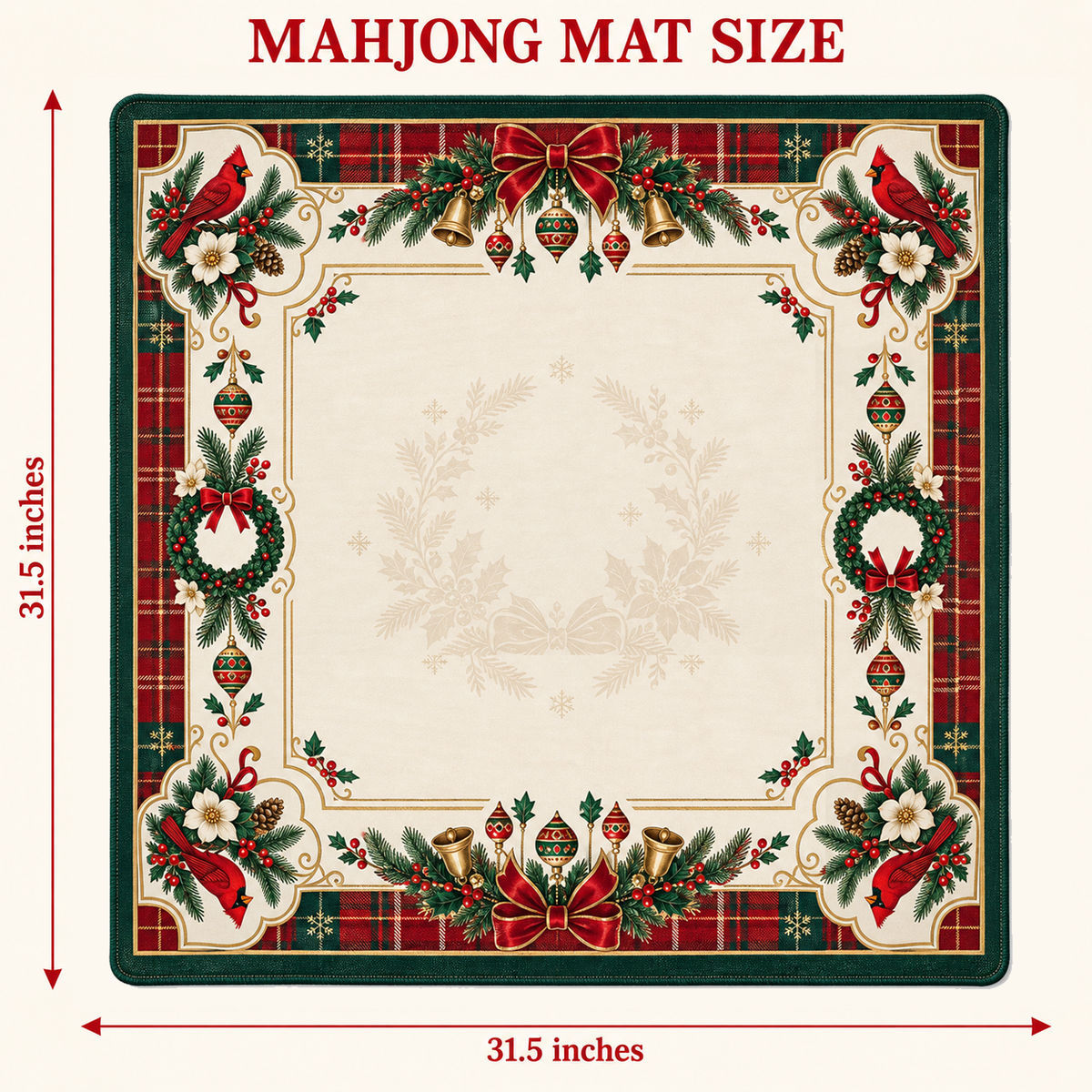
A mahjong mat is a protective playing surface—usually 27–31 inches square, made of felt, velvet, or neoprene—that you lay over a table to mark the discard area, hand racks, and kong box. You can buy mats from specialty retailers like Mahstead, which offers engraved designs with free US shipping, or from general game shops and online marketplaces. Quality mats run the full price range depending on material and customization; most last 2–3 years with weekly play. Choose a mat that fits your table edge-to-edge, has non-slip backing to prevent sliding during the Charleston and tile movements, and reflects your group's style—plain or personalized with your game name or player initials. Avoid ultra-thin felt mats that wrinkle or plastic-backed surfaces that crack in folds; test the grip before ordering if possible.
A good mahjong mat protects your tiles and defines the play space. We'll walk you through mat types, sizing, and what separates a mat that lasts from one that wears out in a season.
The mat you choose affects every game—from how smoothly tiles slide during tile-pulling, to whether your discard pile stays organized, to how safely you transport it. A mat that's too thin wrinkles within weeks. A mat with no grip causes the Charleston to turn into a mess. And a mat sized wrong for your table becomes a frustration you notice every single time you play. That's why we set time each week before we pull our own mats out to inspect them for wear, adjust them on the table, and make sure the jokers are sorted.
What size mahjong mat do you actually need?
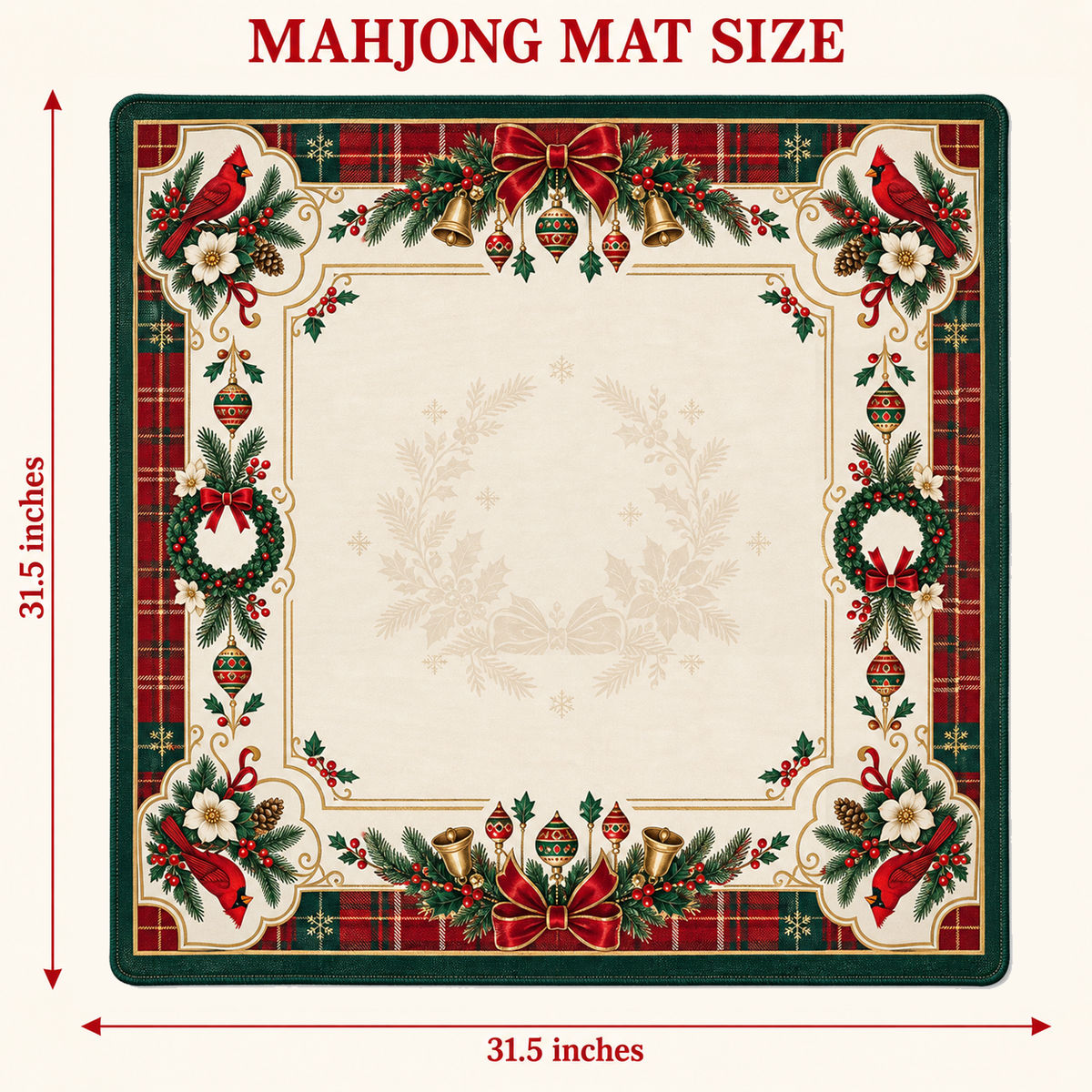
Standard American mahjong mats range from 27 to 31 inches square. Measure your table—from the inside edge of one side to the inside edge of the opposite side—and aim to leave ½ to 1 inch of overhang on each edge so the mat doesn't slip when players lean in. A 29-inch mat fits most 36-inch dining tables; a 31-inch fits larger or irregular shapes. If your table is smaller or oddly shaped, check the product page dimensions before ordering; some mats come in custom sizes or can be ordered through Mahstead's engraved design service.
🀄 Shop best-selling mahjong sets →
Should you buy a plain mat or a personalized one?
Plain mats cost less and work for casual groups that rotate tables or host many players. Personalized mats—engraved with your game name, player names, or the year—cost more but make a strong impression and become a lasting memory of your group. We've seen personalized mats displayed on living-room walls years after the game moved. If you host a regular weekly game, a custom mat signals commitment and gives the group an identity; if you play in multiple homes or travel frequently, a plain mat is lower-stakes and easier to store in a bag or case. Our collection of engraved mahjong mats includes designs suited to both approaches.
What material matters most: felt, velvet, or neoprene?
Material | Best for | Durability | Grip | Cleaning | Folds easily? |
Felt | Budget-conscious groups, casual play | 2–3 seasons | Moderate | Spot-clean | Yes, wrinkles |
Velvet | Serious players, weekly games | 3–5 seasons | High | Spot-clean, brush nap | Yes, holds creases |
Neoprene | Travel, wet climates, heavy use | 4–6 seasons | Very high | Wipe-clean | Less prone to permanent creases |
Felt is the traditional choice—soft underfoot, affordable, and forgiving if spilled on. It wrinkles if folded tightly and loses grip after heavy use. Velvet is thicker, grips better during tile-pulling, and hides wear longer, but requires careful brushing to restore the nap if it gets matted down. Neoprene (rubber-backed) is best for players who travel or play outdoors; it resists moisture and never wrinkles, but it's stiffer and can feel less luxe. For a weekly home game with consistent players, velvet or felt with a non-slip rubber backing is the sweet spot.
🎁 See our most-loved mahjong sets & accessories →
Does the backing matter as much as the top surface?
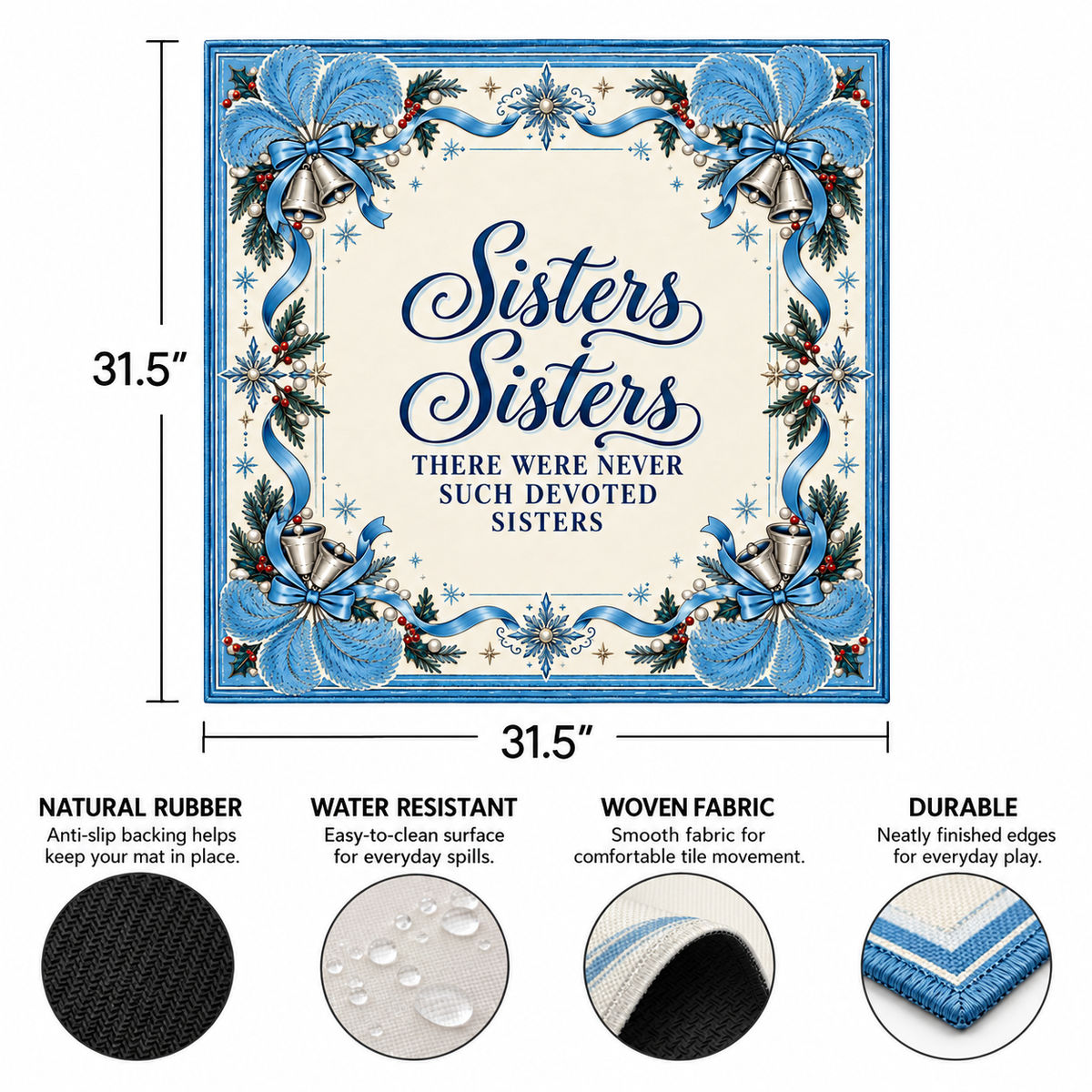
Yes. A mat with no backing or a thin cloth backing will slide under your tiles mid-Charleston and ruin your setup. A good mat has a dense rubber or neoprene base that grips the table. Check the product description or ask the seller about backing; if they don't mention it, assume it's minimal. We've learned this the hard way—a borrowed mat with no grip forced us to weight it down with books to keep it stable. A non-slip backed mat isn't a luxury; it's a necessity for serious play.
Where do you actually buy a quality mat?
Specialty retailers like Mahstead offer mahjong-specific designs, engraving, and free US shipping; they're built by players who understand the game and stand behind their products. Game shops (board game stores, card shops) often stock plain mats but with limited customization and sometimes higher markups. Online marketplaces have the widest range but no game expertise—you're guessing at quality, backing, and warranty. Department stores and home goods shops rarely carry mahjong mats; what they sell as "game mats" are usually oversized, overpriced, and designed for poker or dominoes, not the specific geometry of American mahjong. If you're buying in person, feel the backing, check the seams, and ask about return policy. If you're ordering online, read the full description (material, size, backing type, weight), check the shipping method so the mat arrives flat, and verify the seller's return window in case the size is wrong.
What to check before you buy
Confirm the exact dimensions of your table (measure inside edge to inside edge) and compare to the mat size in the product listing.
Verify the backing material—rubber or neoprene, not cloth alone. Look for words like "non-slip," "grip," or "stabilized."
Read the material description: felt, velvet, or neoprene. Check if it's single-ply or double-ply (thicker = longer-lasting).
Check return policy and shipping method: mats should arrive rolled or flat, not folded in a box.
Ask about care: spot-clean only for felt and velvet; wipe-clean for neoprene. Avoid dry cleaning or machine washing.
If personalized, confirm the engraving preview before final order. Typos cost money and time.
We keep a mat stored flat in a dedicated mahjong bag or case when not in use—folded too tightly or crammed into a closet, even quality felt mats develop creases that don't come out. A simple tube or thin garment bag works if you don't have a full mahjong travel case.
✨ Find your Mahstead set — free US shipping →
Why Mahstead mats stand out for regular players
We've tested mats from dozens of sources. The ones that come back week after week are engraved with a group name or year, backed with genuine non-slip rubber, and sized to fit standard American mahjong tables. Mahstead's mahjong mat collection combines all three: customization options so your mat is yours, material that grips during the Charleston without sliding, and sizing that works for 36–42-inch tables straight out of the package. Free shipping across the US means you pay no surprises at checkout. We order months ahead for holiday games and have seen the same mats in regular rotation for four years running.
If you're shopping for your first mat, start with a plain or minimally engraved style to test size and material fit; upgrade to a personalized mat once you know your game's home and player roster. If you're replacing a worn mat, order the same size and material unless you've identified a specific problem (slipping, wrinkling, staining)—consistency matters more than novelty.
FAQ
How do I know if my mat is too small for my table?
If more than 1 inch of bare table shows on any edge when the mat is centered, or if players' hands and racks hang off the mat, it's too small. Remeasure your table interior and order the next size up.
Can I use a mahjong mat outdoors?
Felt and velvet absorb moisture and can mildew if left outside. Neoprene-backed mats handle outdoor play better. Always store indoors after use.
How do I remove wrinkles from a felt mat?
Lay it flat for 24 hours in a warm room. For creases, place a damp towel over the crease, hold a warm (not hot) iron 2–3 inches above it, and let steam do the work—don't press directly on the mat.
Should I buy a mat if I play at multiple homes each week?
Yes, if you host at a consistent table. If you rotate houses, a lightweight neoprene mat or a plain felt mat that folds small works better than a heavy personalized one. Store it in a mahjong travel case for portability.
What's the difference between a mahjong mat and a tablecloth?
A mat is thick, non-slip backed, and sized for the play area alone (27–31 inches). A tablecloth covers the whole table, has no grip, and isn't marked for discard zones. Mats are for serious play; tablecloths are decor.
Can I machine wash a mahjong mat?
No. Felt and velvet need spot-cleaning only; agitation damages the nap and backing. Neoprene can be wiped with a damp cloth. Never dry clean or submerge.
How long does a typical mat last?
With weekly play and proper care, a quality velvet or neoprene mat lasts 3–5 years. Felt lasts 2–3 seasons before wrinkling or pilling becomes visible.


View More
View More
View More
