
What to Look for in a Mahjong Mat: 5 Things You Need to Know
Last updated: Nov 23, 2026
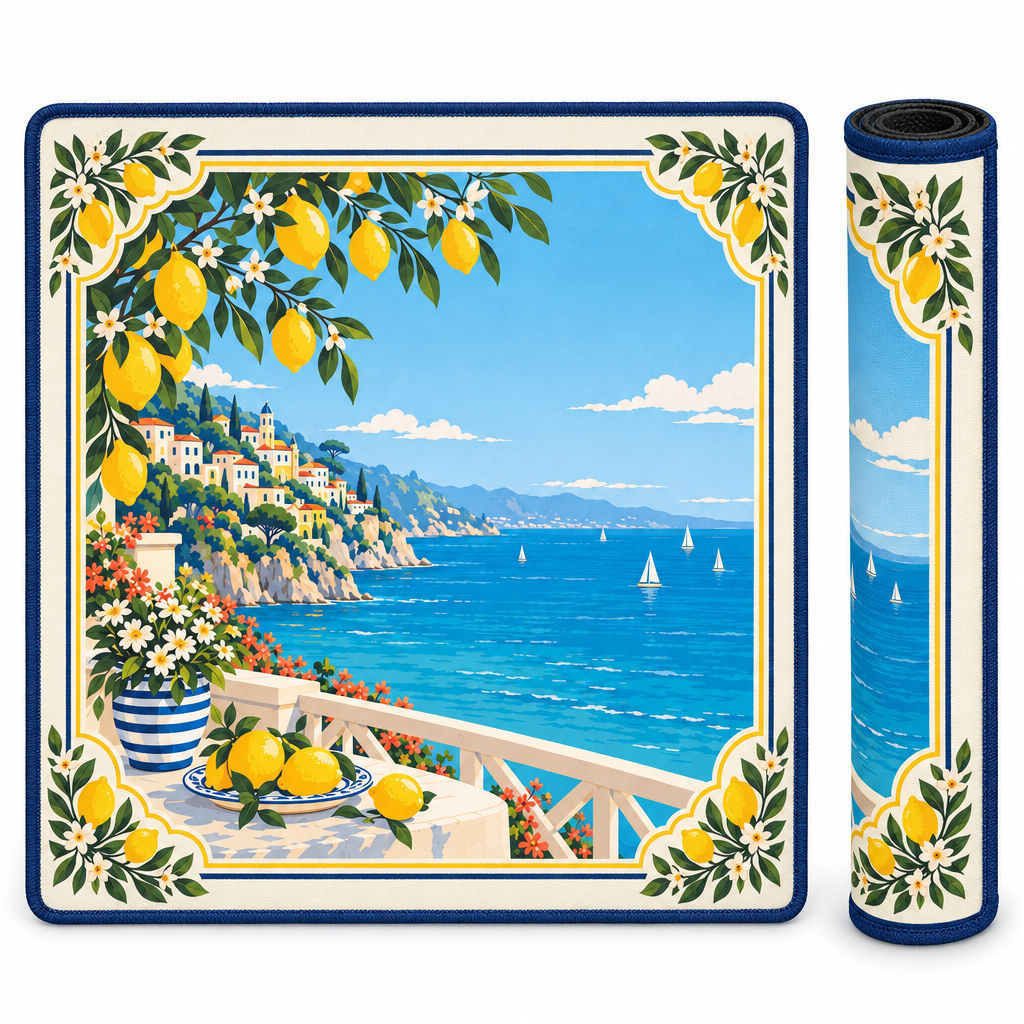
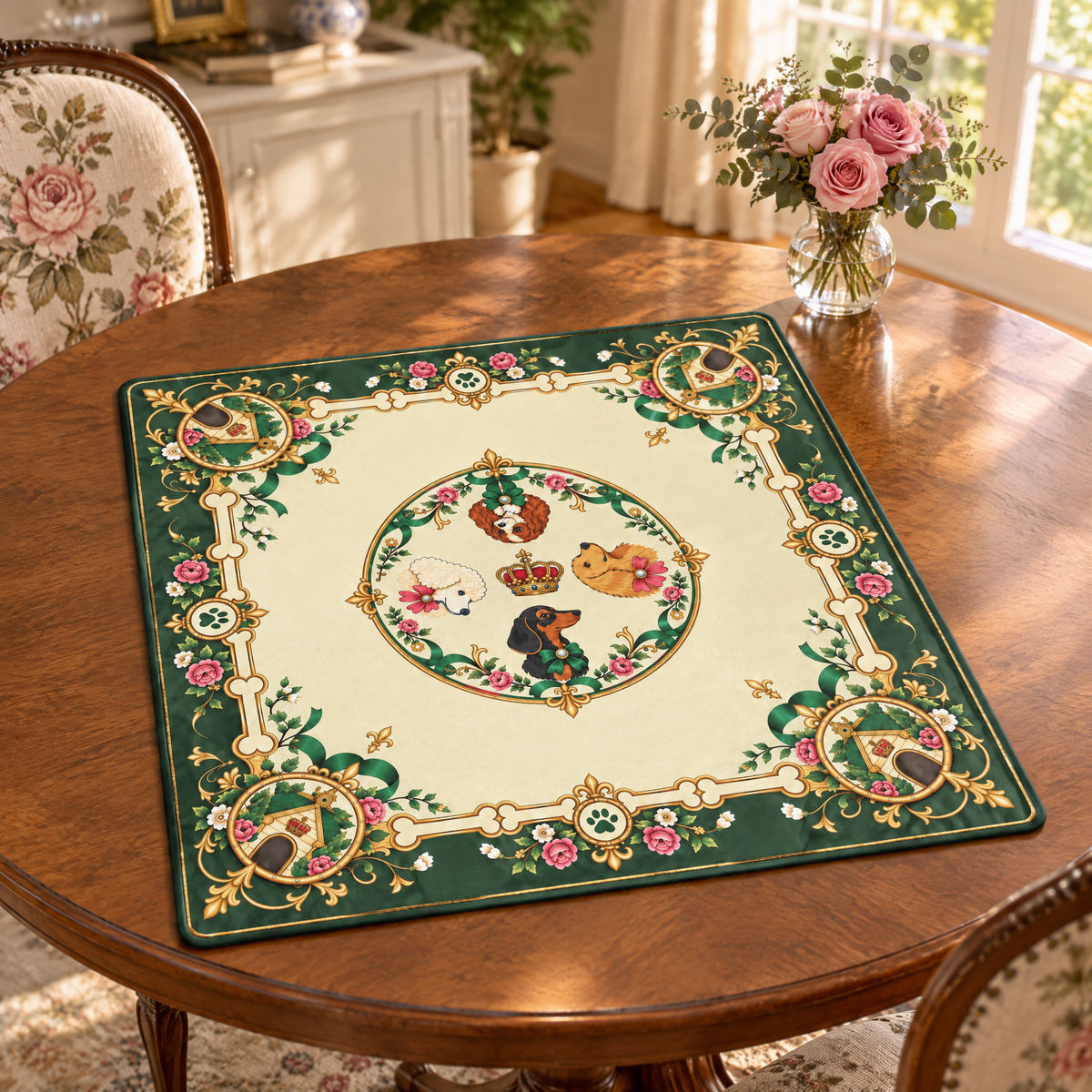
A mahjong mat is a padded playing surface—usually 27" × 27" to 36" × 36"—that sits atop your table to protect tiles and table alike while defining the play zone. Most mats feature a felt or microsuede top with rubberized backing to prevent slipping, and many have printed score tracks, wind indicators, or engraved designs. Mahstead offers mats with custom artwork and durable construction, available through our mahjong mats collection. Cost depends on size and finish (printed vs. engraved), but quality mats last years of weekly play. Avoid thin, slippery mats that bunch under tile weight; prioritize backing grip and seam reinforcement so the mat stays flat and tiles don't scatter.
What size mat fits your table?
Measure your table and account for player reach. A 27" × 27" mat fits small round tables; 30" × 30" suits medium rectangular tables (48"–60" long); 36" × 36" works for large family tables or casual multi-game setups. Width matters more than exact square footage—you need room for a player's hand, the discard wall, and the 2–3 tile positions on either side. If you play on a 48" round, a 30" × 30" mat leaves enough table rim for drinks and scorecards. Too small a mat crowds play; too large wastes table space and money.
Felt vs. microsuede: Which fabric wears better?
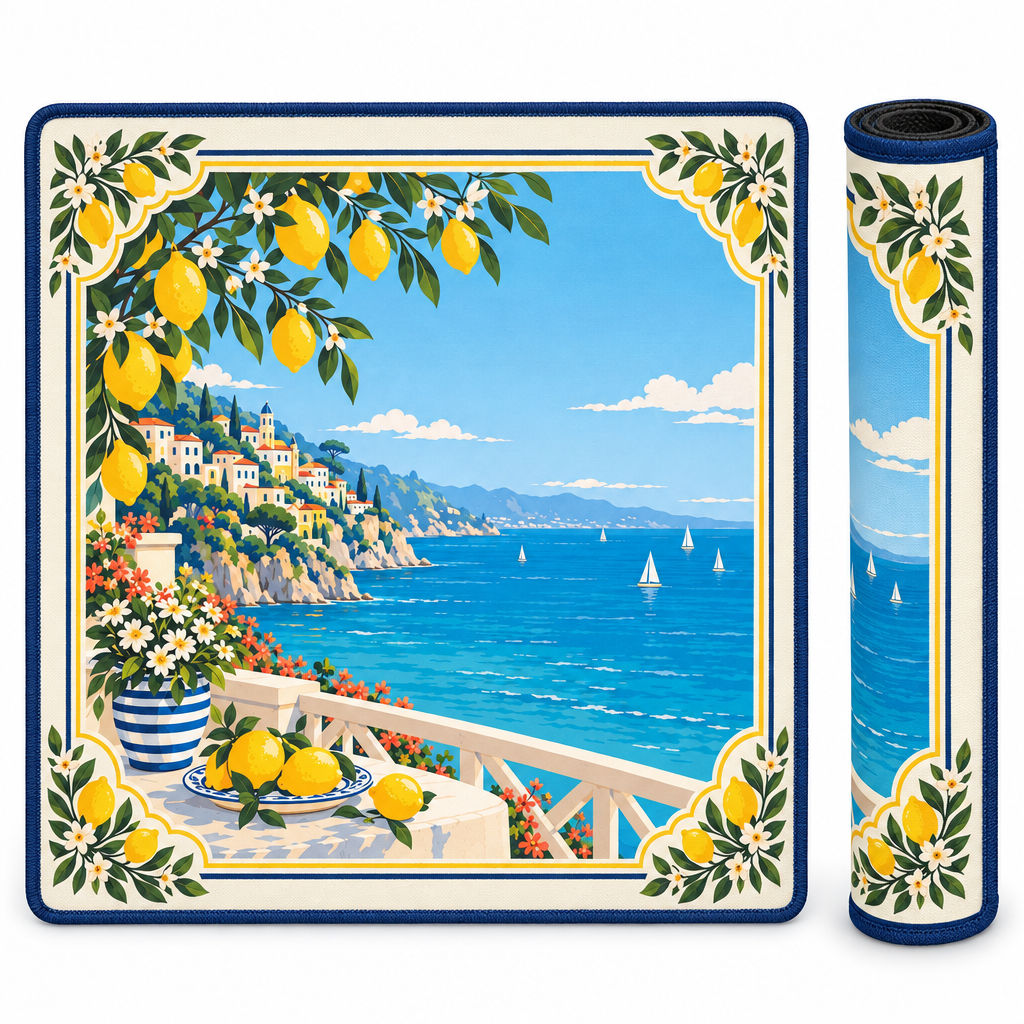
Felt is softer, traditional, and easier to clean but pilling occurs after 50+ games with heavy tile movement. Microsuede resists pilling, feels luxe, and holds tile marks less visibly, though it requires gentler brushing to avoid matting. Both work equally well for American mahjong—the choice is comfort and longevity. If you play twice weekly, microsuede justifies the cost; casual monthly players rarely notice the difference. Backing matters more than fabric; a rubber or non-slip composite backing keeps your mat anchored even on polished wood or tile floors.
How important is the mat's grip and backing?
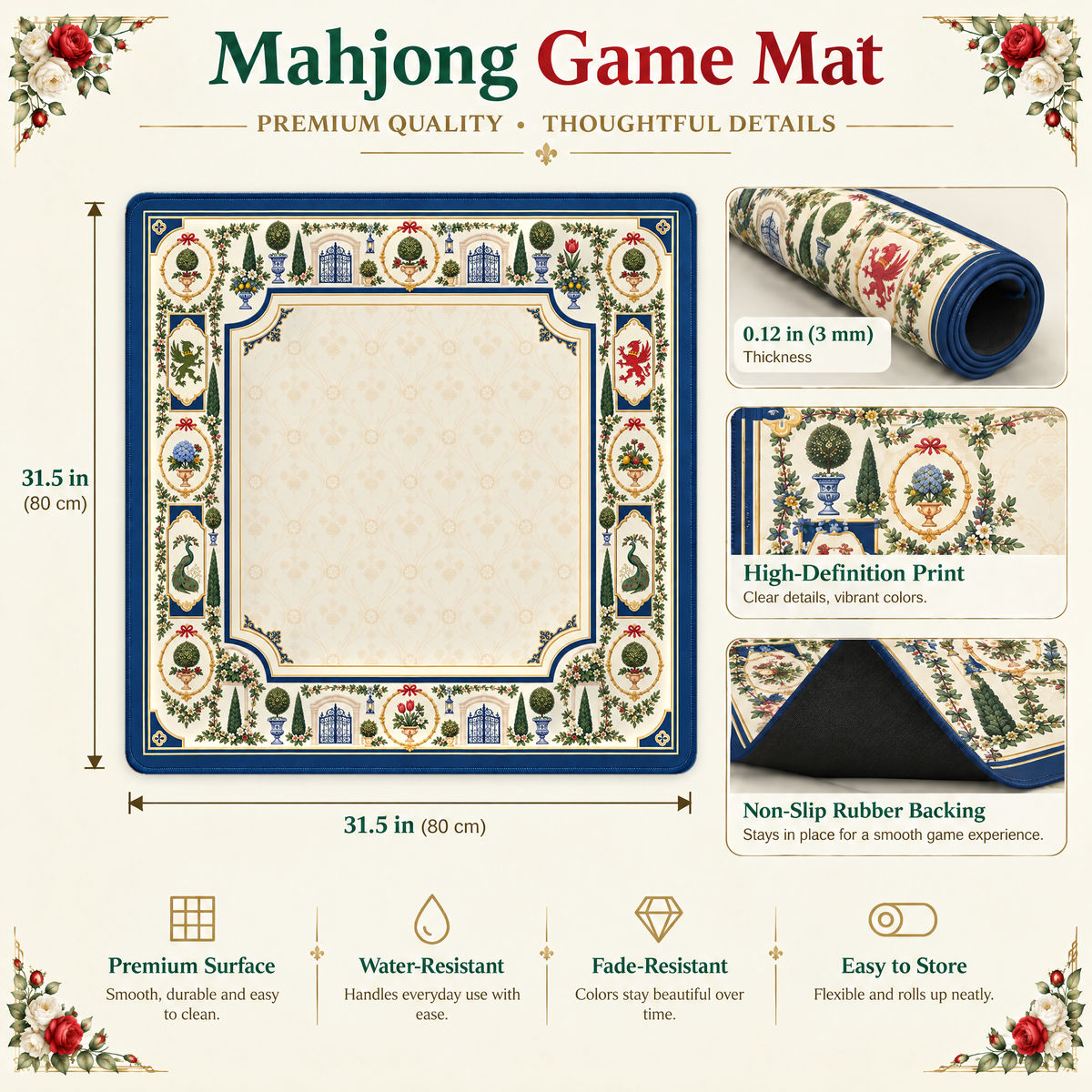
Critical. A mat that slides during fast play frustrates everyone—tiles shift, the discard wall tilts, and hands misalign. Look for rubberized or composite backing at least 3 mm thick. Test by placing your palm flat on the mat and pushing horizontally; it should not budge on the test surface. Many players mistake a "sticky" feel for grip—true grip comes from backing weight and material, not slickness. A mat that slides under tile weight or hand pressure is false economy, no matter how pretty the top.
What design features help gameplay?
Printed score tracks, wind rose markers, and position labels (North, East, South, West) reduce setup time and prevent seating confusion. Engraved designs remain visible after years of play, unlike printed ones that fade. Some mats have interior pockets for dice or marker storage—convenient if your table lacks drawers. Joke or personalized designs (family names, lucky symbols, witty mahjong puns) make mats conversation starters and beloved gifts. Functionality and personality aren't mutually exclusive; a well-made mat with both adds energy to your weekly game.
🀄 Shop best-selling mahjong sets →
What should you check before ordering?
Use this simple checklist:
Measure your table length and width (in inches). Note the table surface type (wood, tile, laminate, felt).
Write your ideal mat size (27", 30", 36") and confirm it leaves 6–8" rim on each side.
Read the backing description. Confirm it says "non-slip," "rubberized," or "composite"—not just "padded."
Check the fabric—felt, microsuede, or velvet—and note if the product page mentions care instructions.
Decide if you want engraved or printed. Engraved lasts longer if your games are frequent.
Verify dimensions in the product description (printed mats sometimes shrink 1–2% in manufacturing).
Confirm free US shipping applies to your mat.
Ask if seams are reinforced in the product chat before checkout if the listing doesn't specify.
This prevents the most common mat mistake: ordering the "pretty one" without checking size, then finding it fits awkwardly or slides on your table finish. Our mahjong mats collection includes size guidance for every option.
Mat Type | Best For | Fabric | Durability | Upkeep |
Felt printed | Casual players, small budgets | Cotton blend felt | 100+ games | Gentle brush, vacuum regularly |
Microsuede engraved | Weekly players, long-term investment | Microsuede (synthetic) | 200+ games | Soft cloth, avoid harsh liquids |
Luxury custom | Clubs, tournament prep, gifts | Microsuede or felt | 200+ games | Per engraving guide provided |
✨ Find your Mahstead set — free US shipping →
Why buy a mat instead of just using the table?
Bare tables show tile dust, spills damage the finish, and tiles scatter when you lean or reach. A mat:
Protects your furniture from tile scratches, drink rings, and wear.
Organizes play by visibly marking the discard wall and hand zones.
Improves tile grip so racks don't topple and discards stay stacked.
Signals respect for the game—a mat signals to your players that you take the ritual seriously.
Sets the mood with color or design that reflects your group's personality.
We see this in our weekly games: a mat transforms a dining table into a proper mahjong zone. Guests immediately sit differently, handle tiles more carefully, and the game flows smoother.
When you're ready to complete your setup, pair your mat with quality engraved American mahjong sets and racks with pushers to round out your table. Browse our new arrivals for fresh designs and seasonal options that fit any game room style.
🎁 See our most-loved mahjong sets & accessories →
FAQ
Can I use a regular tablecloth instead of a mahjong mat?
No. Tablecloths lack rubberized backing, so tiles slide constantly. Tablecloths also absorb spills and stain easily. A mat's grip and waterproof backing protect your table and keep play stable.
What's the difference between a mat and a table cover?
A mat is a discrete playing surface (27"–36") that sits atop your table; a table cover (or tablecloth) drapes the entire table and usually has a different purpose (decoration, spill control). A mat defines the game zone and includes grip backing. Choose a mat for organized play, a cover for protection and style.
How do I clean a mahjong mat safely?
Vacuum regularly with a soft brush or lint roller to remove tile dust. For stains, blot with a damp cloth and mild soap; do not soak. Air-dry flat. Avoid bleach, harsh chemicals, and machine washing. Engraved mats may show dust more visibly but are easier to maintain long-term.
Will a mat work on a glass or metal table?
Yes, but confirm the mat's backing has strong non-slip properties. Glass and polished metal are very slippery. Test the mat on your table before committing; if it slides, place a thin rubber shelf liner under the mat's corners for extra grip.
What size mat do I need for 4 players?
A 30" × 30" or 36" × 36" mat works for four-player setup on a round or rectangular table 48"–72" long. Measure from the center of your table outward; the mat should leave 6–8" of rim space for drinks, scorecards, and player comfort. Too small = crowded hands; too large = wasted space and cost.
Can I personalize or engrave a mat?
Yes. Mahstead offers custom engraving on select mats—names, lucky symbols, dates, or jokes. Engraved designs are permanent and remain visible after years of play, unlike printed designs that fade. See custom options in our mahjong mats collection or contact us for requests.
How long does a good mat last?
A quality mat with reinforced seams and rubberized backing lasts 200+ games (2–3 years of weekly play) if cared for properly. Cheaper mats may pill, curl, or lose grip after 50–100 games. The upfront cost of a durable mat pays off in longevity.
Do I need a mat if I already have a nice table?
Yes. Even a nice table risks scratches, stains, and tile damage without protection. A mat also improves gameplay by organizing zones and reducing tile scatter. Think of it as an investment in both your table and your game experience.


View More
View More
View More
