
West Wind Tile in Chinese Mahjong: What It Is and How It Differs
Last updated: Nov 23, 2026
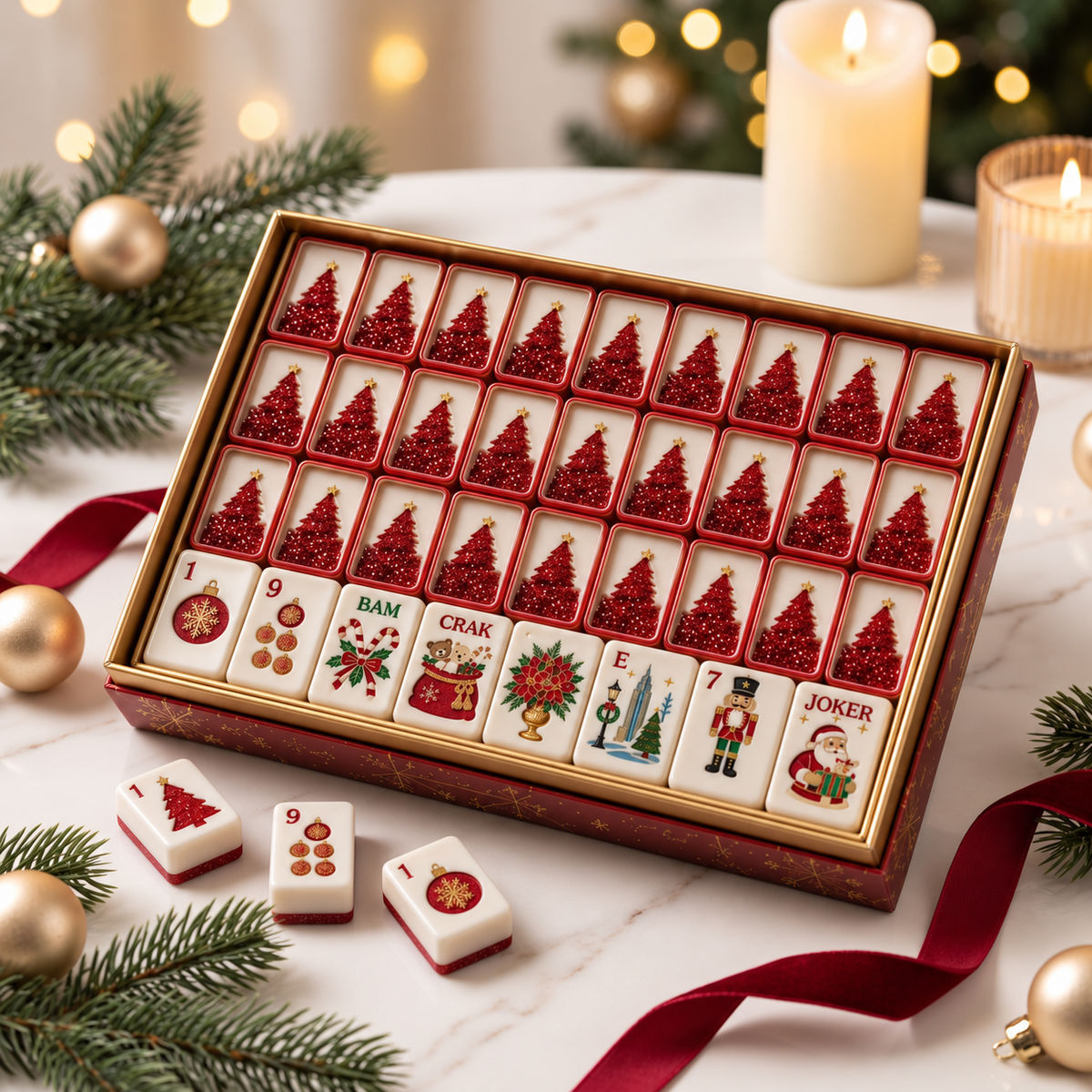
In Chinese mahjong, the West Wind (西) is one of four wind tiles—North, East, South, West—that serve as both honors (non-number tiles worth points) and seat indicators. Each player is assigned a wind; if you hold three or four West Wind tiles and your seat is West, or if West is the prevailing wind that round, you earn bonus points for a "seat wind" or "prevalent wind" pung or kong. In American mahjong, West Wind functions only as an honor tile with no seat bonus; it simply appears on the current year's National Mah Jongg League card in specific hand patterns. Chinese versions often weight winds differently by round and scoring system—Cantonese, Riichi, and Taiwanese rules vary. A standard set includes four copies of each wind. When choosing a set that serves your variant, confirm whether your rules reward wind tiles for seat or prevalence before play.
What is the West Wind tile exactly?
The West Wind tile is an honor tile (no number) that appears once per suit in the winds group. In Chinese mahjong, each of the four cardinal directions—North (北), East (東), South (南), and West (西)—has its own honor tile, and a standard set contains four identical copies of each wind. Unlike numbered tiles (Bams, Craks, Dots), wind tiles cannot form sequences; they can only be grouped as pungs (three identical), kongs (four identical), or higher sets. The symbol is a single Chinese character or, in some sets, a compass direction label. Western players sometimes call these "direction tiles" or "wind honors." In American mahjong, West Wind is simply one of 16 wind tiles in a 152-tile set and appears only in specific patterns on the National Mah Jongg League card; in Chinese games, it carries gameplay weight tied to seating and the round's prevailing wind.

How does West Wind scoring work in Chinese mahjong?
In Chinese mahjong, West Wind earns bonus points under two conditions: seat wind and prevalent wind. If you sit in the West position and meld a pung or kong of West Wind tiles, you earn the base score plus a multiplier (typically doubling the hand value). Similarly, if the round's prevailing wind is West—announced before play starts—West Wind melds earn a bonus regardless of your seat. Scoring varies by regional rule: Cantonese mahjong awards one point multiplier per bonus condition; Riichi (Japanese mahjong) uses a more complex fan system where wind melds contribute to hand value thresholds; Taiwanese mahjong may combine seat and prevalent wind bonuses. American mahjong ignores these bonuses entirely; West Wind is simply a tile that appears in certain year-card hand patterns and has no seat or round-based score modifier. A player learning both variants must flip this rule off mentally when switching from Chinese to American play—a common beginner mistake.
🀄 Shop best-selling mahjong sets →
Why does American mahjong treat West Wind differently?
American mahjong stripped the complex honor-tile bonus system from Chinese games to simplify gameplay and standardize scoring. The 1937–1950s American adaptation focused on speed, pattern recognition, and the National Mah Jongg League card as the sole hand authority. Removing seat bonuses meant new players could focus on one rule set per game instead of tracking prevailing wind, seat assignment, and multiplier calculations. In American play, all wind tiles are functionally equivalent—they are honors that appear in specific card patterns and score the same points as any other honor meld. This makes American mahjong more approachable for casual groups and social clubs, though it loses the strategic depth of Chinese wind play. If you host mixed-variant games, you'll need to clarify which rule set applies before the Charleston, or choose one variant for the session to avoid disputes over West Wind value.
Comparing West Wind across four variants—which rules apply?
Variant | West Wind role | Seat bonus? | Prevailing wind bonus? | Set requirement |
Cantonese (Hong Kong) | Honor tile; seat/prevalent wind multiplier | Yes, 1× | Yes, 1× | Standard Chinese set, 4 winds |
Riichi (Japanese) | Honor tile; counts toward fan threshold | No direct | No direct | Standard Chinese set, 4 winds |
Taiwanese | Honor tile; seat wind doubles, prevalent wind bonus | Yes, 1–2× | Yes, 1× | Standard Chinese set, 4 winds |
American | Pattern-only honor tile; no bonus | No | No | 152-tile American set; 4 West winds included |
The core difference: Chinese and Japanese variants use wind tiles to multiply or threshold hand value; American variants use them only as pattern elements on the League card. When teaching a newcomer or joining an unfamiliar game, ask explicitly which rule set applies to wind scoring before the first hand.

How do you spot West Wind on a mahjong tile?
West Wind tiles display either a Chinese character (西 in simplified or traditional script), the word "West" or "W," or a compass/directional symbol. On cleaner, modern sets, it's a white or light-colored tile with black text or engraving. On vintage or heavily decorated sets, it may include artistic compass roses or directional imagery. Wind tiles are always in the honors section of the tile rack, separate from numbered suits. To avoid confusion during play, keep all four wind tiles together during the Charleston and wall-building phases. If your set uses ornate designs or custom engravings, verify the tile legend or accompany the set with a quick reference card so all players can identify winds at a glance—especially important in household games where not everyone is a regular. Engraved American mahjong sets often include clearer labeling and can reduce table confusion.
What's the best mahjong set if you play both Chinese and American variants?
If you host both games, you need two separate sets: a 152-tile American set for League-card games, and a standard Chinese set (usually 144 tiles) for Cantonese, Riichi, or Taiwanese play. The tile counts and tile designs differ—American sets include jokers (which Chinese play does not), and Chinese sets omit the American blank tiles. Mixing tiles between games causes rule confusion and disputes. Buy one best-selling American set for your American games and a separate traditional Chinese set for variant play. This keeps rules clean, players informed, and the night moving. If you regularly teach newcomers or travel between clubs, a quality mahjong bag or case for each set prevents damage and makes switching fast. Many groups keep both sets on hand for flexibility; a single set forces you to choose one variant per session.
🎁 See our most-loved mahjong sets & accessories →
What to check before you buy
Confirm your variant: If you play only American mahjong, any 152-tile set with four copies of each wind is correct. If you play Chinese, Riichi, or Taiwanese games, buy a dedicated Chinese set; do not mix.
Verify tile count: American sets = 152 tiles + spares (jokers/blanks). Chinese sets = 144 tiles (no jokers). A mismatch means some rules won't work.
Check the wind tile clarity: Test that all four winds are legible and distinct under table light. Custom engraving should include a legend card.
Ensure all four copies of each wind are present: Count them before the first game. Missing winds force hand rewrites mid-play.
Pair your set with a mat and racks: A mahjong mat with racks and pushers keeps tiles organized, winds visible, and hands stable—especially in games where wind bonuses matter.

FAQ
Is West Wind ever worth more points than East Wind?
In Chinese mahjong, only if West is the prevailing wind for that round or you are seated West; otherwise, all winds score equally. American mahjong treats all winds as identical—same point value per card pattern.
Can you use a joker to replace a West Wind tile in American mahjong?
No. In American mahjong, jokers can only replace numbered tiles (Bams, Craks, Dots) or dragons; they cannot substitute for honor tiles like wind or flower tiles, and jokers can never be used as a single or pair.
Do I need to tell everyone where I'm seated before the Charleston if West Wind is the prevailing wind?
Yes. In Chinese variants, seat and prevailing wind are announced before the Charleston so players can assess honor tile value. In American mahjong, seating order affects turn order only; wind position has no gameplay effect.
What happens if my set is missing one West Wind tile?
The set is incomplete and cannot be used for any mahjong game. Both American and Chinese rules require four identical copies of each wind. Contact the seller or acquire a replacement set; mixing tiles from different sets risks tile quality mismatch and rule confusion.
How do beginners most commonly mess up West Wind rules when switching between American and Chinese mahjong?
Assuming West Wind scores bonus points in American play (it doesn't) or forgetting to track prevailing wind in Chinese play. Write the rule on a card and post it at the table for the first session. --- ✨ Find your Mahstead set — free US shipping →


View More
View More
View More
