
Vintage Style Mahjong Pushers: How to Choose & Use Them
Last updated: Nov 23, 2026
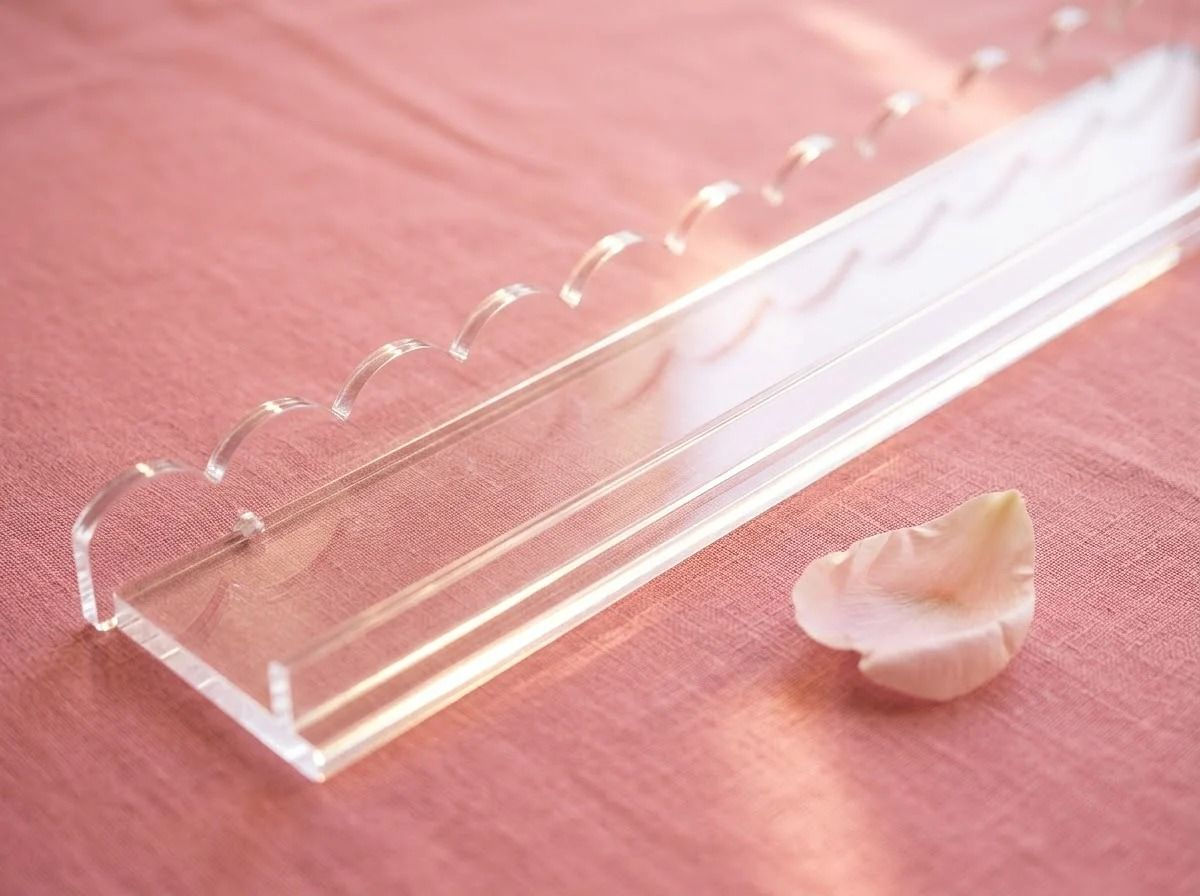
Vintage-style mahjong pushers are hinged or sliding tools designed to push tiles forward from your rack during play—a signature move in American mahjong that signals you're calling a hand. They typically feature wood, acrylic, or bone construction with art deco, retro, or traditional Chinese motifs etched or inlaid into the handles. Most sit 2–3 inches long with a metal or acrylic blade; quality matters because cheap pushers catch on tile edges or slip mid-game. Mahstead offers mahjong racks with pushers in both modern and vintage-inspired finishes—wood-grain acrylic, engraved designs, and complementary sets that coordinate with your tiles. A good vintage pusher costs roughly the same as a quality set of pushers alone, but transforms your table experience from functional to deliberate. Key: measure your rack opening before ordering to ensure the pusher blade fits snugly without binding.
🀄 Shop best-selling mahjong sets →
What materials define a vintage-style pusher?
Vintage pushers fall into three camps: wood with hand-carved or machine-etched handles; acrylic (often translucent or wood-grain finished) with engraved detail; and bone or resin simulants with period-accurate Chinese or art deco motifs. Wood ages gracefully but can warp if exposed to humidity—common in game rooms. Acrylic pushers resist moisture, won't splinter, and hold engraved detail permanently; they're ideal if you play weekly in an air-conditioned space or store your set in a bag. Bone simulants (resin cast to look aged) offer the aesthetic without the cost or brittleness of real bone, though they chip if dropped on tile. For most home players, acrylic vintage pushers outlast wood and cost less than bone.
Should your pusher match your rack, your tiles, or neither?
We see three strategies: coordinate all three (pushers + rack + tile art in one design language), match the pusher to the rack and let tiles speak separately, or use neutral pushers that complement any set. Matching all three creates a cohesive, Instagram-worthy table—ideal if you host regularly and want conversation-starters. Pairing pushers with your rack alone (e.g., bamboo-texture acrylic pushers with a natural-wood rack) gives visual rhythm without overstyling. Using neutral bone or clear acrylic pushers lets your best-selling mahjong sets shine as the focal point—smart if you own multiple tile sets or prefer minimalist aesthetics. No wrong choice; the rule is: if your pusher clashes so much it distracts mid-hand, swap it.
How do size and blade width affect your push?
Vintage pushers range from 2 to 3.5 inches long, and blade width spans roughly ¼ inch (narrow, precise) to ½ inch (broad, forgiving). A narrow blade suits players with small hands or tight racks; it glides between tiles cleanly. A broader blade forgives imprecise aim and works better if your rack is crowded or your tiles slightly larger than standard. The hinge—either a pin or slot—should move smoothly with zero wobble; a loose hinge kills the whole gesture. Before ordering, open your current rack fully and measure the inside span; your pusher blade must fit comfortably with ⅛ inch clearance on each side. If your rack is snug, a 2-inch pusher will feel cramped; if it's spacious, 3 inches gives you leverage. Many of us have learned this the hard way—a pusher that binds breaks the flow of a tense hand.
✨ Find your Mahstead set — free US shipping →
Comparison: Wood, Acrylic, and Bone Vintage Pushers
Material | Best For | Durability | Maintenance | Aesthetic |
Wood | Players who love traditional feel | 5–10 years if dry | Oil monthly, avoid humidity | Warm, hand-carved detail |
Acrylic (engraved) | Weekly players, humid regions | 10+ years | Wipe clean, scratch-resistant | Sharp detail, modern vintage |
Bone/Resin | Collectors, occasional play | 3–7 years if gentle | Avoid drops, dust only | Aged patina, authentic look |
Choose acrylic if you play in a basement or humid climate; wood if you live in a dry region and enjoy oiling your tools; bone simulant if you prize the vintage look above all and play gently.

What design language works with your table style?
Art deco motifs—geometric lines, symmetrical flowers, fan shapes—pair well with chrome or glass table lamps and mid-century racks. Traditional Chinese designs (crane, plum blossom, bamboo, characters) suit darker woods and silk mats. Retro 1960s–80s patterns (simple lines, abstract shapes, bright colors in acrylic) brighten casual home tables. Modern minimalist pushers (plain handles, thin blade, logo only) disappear into any setup and appeal to players who see pushers as tools, not decor. The trap: buying a gorgeous vintage design that clashes with everything else at your table. One tip: scroll through the mahjong racks with pushers collection and take a photo of any rack + pusher combo that speaks to you; live with the image for a week before deciding. Your future self will thank you.
What to check before you buy
Hinge mechanism. Open and close it five times in the product image or video; it should move smoothly with a soft click, not rattle or bind.
Blade fit. Measure your rack's inside width; the blade should be 0.5 inches narrower than that span.
Engraving clarity. If buying online, zoom into any engraved detail; blurry or shallow etch suggests a cheap die or worn mold—avoid.
Finish. Acrylic pushers should be glossy or frosted uniformly; dull patches signal defects. Wood should have even stain or natural grain.
Weight. A quality pusher (2–3 ounces) feels solid in hand; lightweight pushers often have thin blades that bend.
Packaging. Vintage pushers come loose or in pairs; if you order multiple sets, confirm whether spares are included or if you're buying individual pushers.
🎁 See our most-loved mahjong sets & accessories →
The vintage pusher ritual: how and when to use it
In American mahjong, you push one tile forward from your rack when you're ready to claim a hand. The gesture signals your intention to the table without speaking; it's theatrical and binding. Some players use pushers for every hand claim; others keep theirs in a bag and use them only in formal games or tournaments. If you host weekly games, having four matching vintage pushers (one per player) elevates the table presence and signals that you care about the ritual. A common mistake: pushing too aggressively, which can jam the pusher into the rack or startle players. Smooth, deliberate pushes—an inch or two forward—read as confident and respectful. If your pusher catches mid-push, don't force it; pause, reset, and try again. A quality pusher should never require force.
For players upgrading from no pushers, starting with one high-quality vintage style (paired with a new mahjong arrivals set or your existing tiles) teaches you the motion without commitment. For seasoned players, investing in a matched set of four vintage pushers—one for each seat—transforms a casual home game into a structured, intentional experience. We've noticed that players who adopt pushers also tend to adopt better tile handling, cleaner hand discipline, and more respectful passing during the Charleston. It's not magic; it's about slowing down and honoring the game.

FAQ
Can I use the same vintage pusher in Chinese or Hong Kong mahjong?
Yes—pushers are universal tools for moving tiles. But Chinese and Hong Kong mahjong don't use a "push forward" signal the way American mahjong does; a pusher there is purely functional, not ceremonial.
My vintage pusher keeps catching on the rack edge. What's wrong?
The blade is too wide or the hinge is bent. Measure the blade against your rack's inside span; if it's only ¼ inch shorter, it may still bind under pressure. Try a narrower pusher or have a craftsperson carefully file the hinge down.
Should I buy pushers that match my mahjong set's engraving?
Not mandatory, but it looks intentional. If your set has a dragon motif and you own pushers with the same dragon design, the table reads as coordinated. Mix-and-match works too—just avoid clashing colors.
How do I care for wooden vintage pushers long-term?
Store them in a dry place (not a damp bag). Oil the handle quarterly with furniture oil or beeswax to prevent cracking. Wipe the blade clean after every game.
Can I buy replacement pushers if one breaks?
Yes. Mahstead sells pushers separately within rack sets. If your vintage pusher is a one-off, contact the maker for a replacement blade or have a local woodworker carve a new handle to fit your existing hinge.
What's the difference between a pusher and a tile rack?
A tile rack is the entire tray that holds your tiles during the hand. A pusher is the small hinged tool that sits on or beside the rack and moves one tile forward. You need both.


View More
View More
View More
