
Spring Mahjong Tablescape: Set Your Game Right
Last updated: Nov 23, 2026
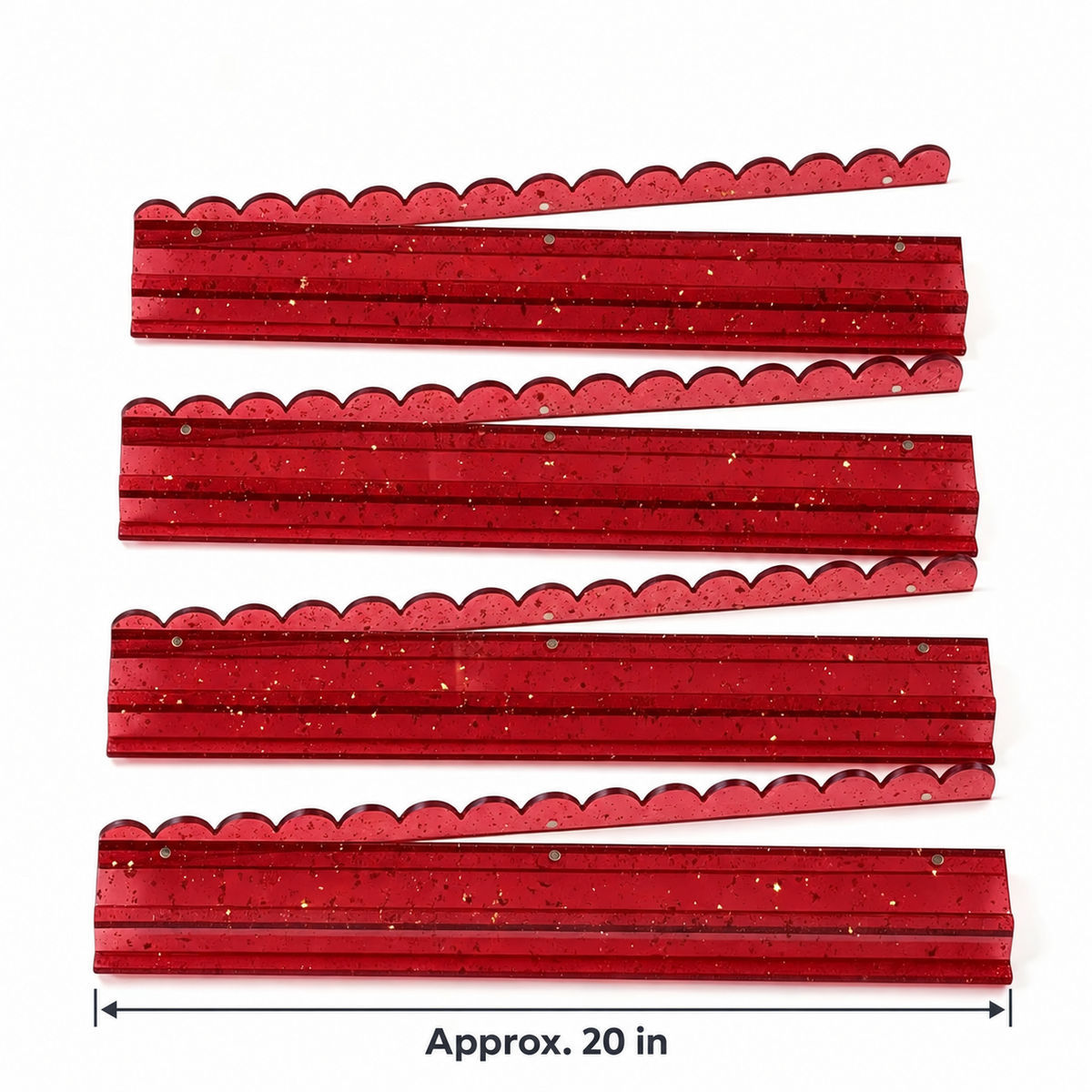
A spring mahjong tablescape combines a quality mat (often pastel or floral), your engraved tile set, organized racks with pushers, and optional décor accents—all arranged to make play smooth and beautiful. You'll need a dedicated play surface at least 32 inches square, a 160-tile set with clear tile faces, sturdy racks to prevent sightlines, and a comfortable bag or case nearby for storage between games. The setup takes 10–15 minutes: lay the mat, position the tile-drawing wall, set racks at each compass point, place the card stand center-table, and add fresh flowers or candles if desired. Spring aesthetics mean soft greens, creams, pastels, or botanical prints that complement tile art without overwhelming it. From Mahstead's best-selling mahjong sets, pair an engraved set with a coordinating mat and racks—the whole package ships free across the US.
A spring tablescape transforms your mahjong night from casual to memorable. We'll walk you through layout, décor, and the gear that makes hosting effortless.
What tile colors suit spring best?
Spring mahjong calls for sets and mats that feel fresh without clashing—think jade, cream, pale yellow, or bamboo green. Engraved sets with botanical motifs or subtle floral borders harmonize beautifully with spring décor. Avoid high-contrast neons; instead, choose tiles where the suit symbols (Bams, Craks, Dots) pop against a light background. Our engraved American mahjong sets feature design details that sing in natural spring daylight—no need for extra lighting to read tiles.
Tip: Hold tiles up to a window before buying. Spring light is softer than winter; tiles that look perfect indoors may fade outdoors.
Which mat size and color combo works?
A standard American game requires a mat at least 32 inches square—most of our mahjong mats come in 33×33 or 36×36 inches, giving you comfortable tile movement and breathing room. For spring, pair a cream or soft-sage mat with pale-wood racks and white or jade-colored tiles. If you're hosting outdoors (patio, garden), choose a mat with slight texture to prevent tile slip on humid surfaces. Navy borders work if you're adding pops of green or coral elsewhere on the table—think fresh linens, white plates, a few potted herbs as centerpiece.
The mat's color should recede: it's the stage, not the star. Your tiles and players steal the show.
How do racks with pushers prevent confusion?
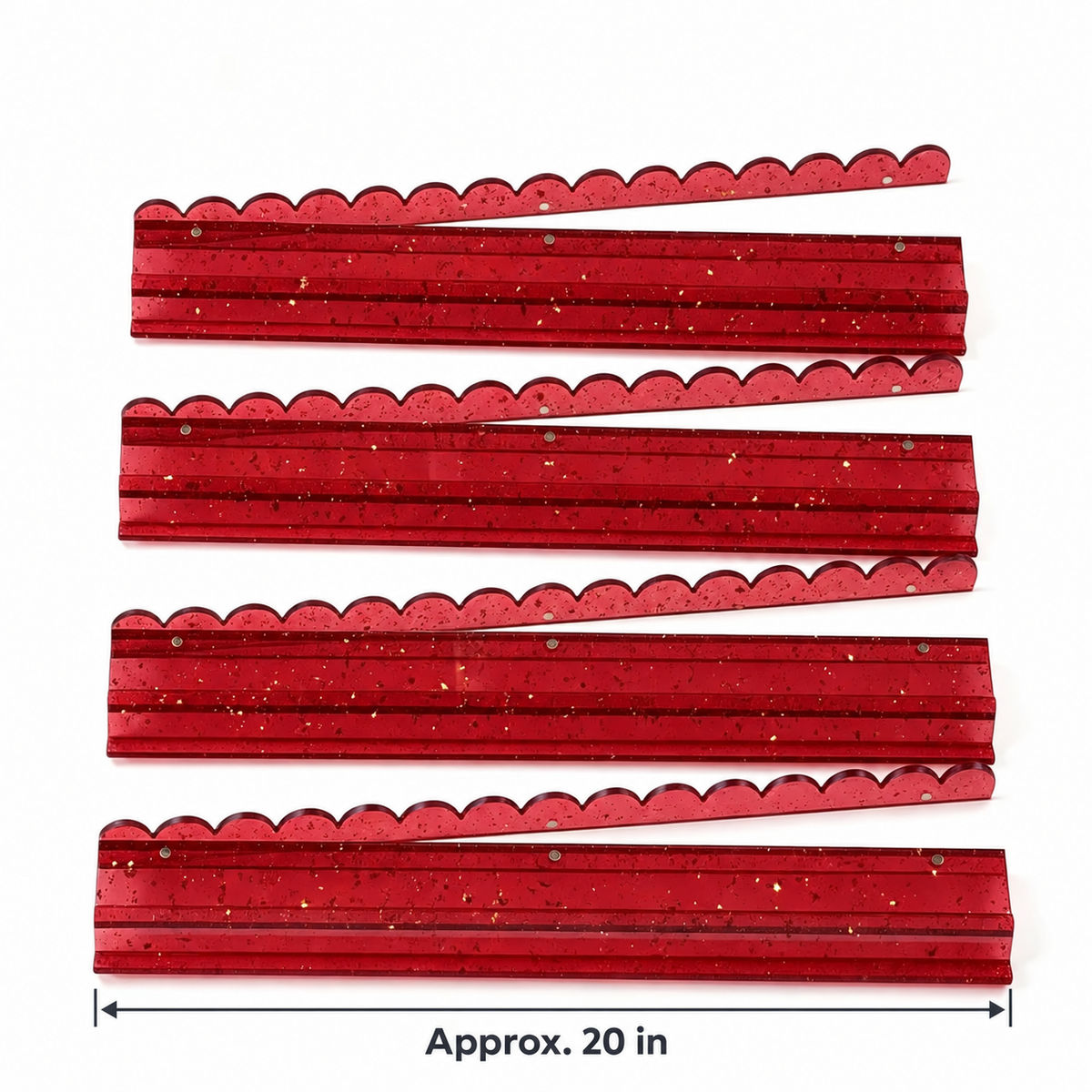
Racks with pushers keep each player's 13 tiles upright, clearly separated, and hidden from opponents' view. Pushers slide tiles into the rack smoothly, preventing fumbles and marking discard piles cleanly. A tablescape that looks organized plays organized—no one wastes time hunting a tile or squinting to see what's exposed. For spring hosting, choose racks in pale wood or brushed metal that complement your mat. Never cram racks too close; leave 2–3 inches between the rack and center wall so everyone reaches comfortably.
Cramped racks = fumbled tiles = a sloppy game. Space them 18 inches apart, at least.
What's the ideal tile-drawing and discard layout?
Place the 152-tile wall in the center of your mat, stacked two-high and two-deep (the standard American setup). Each player draws from the wall directly in front of them, moving clockwise. Center the card stand 6 inches behind the wall so all four players read it without leaning. Discard piles form a 3×3 grid in front of each rack, replacing tiles into the wall space after a player melds. In spring, add a small water glass and coaster at each seat's edge—hydration helps focus during long games.
A clear wall means clear play. Mark it with a small mat tape or chalk dot if outdoors.
What accessories elevate a spring tablescape without clutter?
A low floral arrangement (under 8 inches tall) placed beside the card stand adds color without blocking sightlines. Fresh herbs in small vases at each corner create intimacy. A linen table runner beneath the mat in cream or pale sage grounds the whole setup. Avoid candles near tiles—wax drips ruin acrylic. Small place cards with player names add a personal touch for a hosting event. Music (gentle jazz, lo-fi) playing softly in the background sets mood without distraction. Keep a small notepad and pen for tallying scores—essential for American mahjong's official rules.
What to Check Before You Buy:
Mat material: Does it grip tiles, or will spring humidity cause slip? Check product reviews for outdoor use.
Rack height: Do your hands fit comfortably inside? Test a photo or demo set if possible.
Tile clarity: Can you read Bam, Crak, and Dot symbols from 3 feet away in natural light?
Set completeness: A 160-tile set includes 152 playing tiles plus spares; confirm your set includes 8 jokers and all winds and dragons.
Storage: Will your mat roll safely into a bag or case for off-season storage or transport?
Tablescape Element | Spring Goal | What It Does | Budget Consideration |
Mat | Soft, neutral base | Defines play area, hides table scuffs, sets mood | Invest in quality grip for humid spring weather |
Engraved set | Clear, thematic tiles | Makes reading tiles fast, adds personality | Choose botanical or seasonal designs |
Racks with pushers | Organized, visible play | Prevents sightline cheating, speeds tile placement | Non-negotiable for serious games |
Card stand | Centered, readable | All players see the card equally | A simple acrylic stand works fine |
Florals/décor | Seasonal flair | Creates spring atmosphere | Keep low and narrow; never block sight lines |
🀄 Shop best-selling mahjong sets →

Why does a dedicated play space matter?
Hosting mahjong on a dining table with dishes, glasses, and place settings invites disasters—a spilled drink ruins tiles and mats instantly. A dedicated mat creates a psychological boundary: this is the game table, and everything else is off-limits. Your guests see a intentional setup and play with more focus and respect. In spring, if you're hosting outdoors, place your mat on a sturdy, level surface away from direct sun (which fades the mat) and wind (which scatters tiles). A picnic table covered with the mat works; so does a small folding card table placed on a patio. The key is stability—no wobble, no tilt.
Spring entertaining deserves a stage built for the game, not a repurposed dinner surface.
How long should setup take, and can guests help?
A full tablescape—mat, tiles, racks, card stand, scoring pads—takes one experienced player 10–15 minutes solo. If you're hosting for the first time, add 5 minutes to troubleshoot racks or find a tile that rolled away. Guests can help: assign one person to arrange racks, another to set coasters and water glasses, a third to place the card stand. This division makes setup a fun ritual and keeps your hosting stress low. Store everything in a bag or case after each game; spring cleaning is easier if you're not hunting scattered tiles.
Pre-game setup is a chance to bond, not a solo chore. Make it communal.
What décor mistakes ruin spring mahjong?
Heavy table runners that interfere with tile sliding; scented candles that distract; oversized flower arrangements that block the wall or card stand; mismatched racks in different colors (looks chaotic); bright LED lighting that turns soft tile colors garish; and clutter near the mat edges (drinks, phones, purses). Spring hosting should feel airy and calm, not overwrought. Stick to three color notes—mat color, tile color, and one accent (white racks, pale flowers). Anything more creates visual noise. Save the full décor spread for a themed dinner; a mahjong night prioritizes play beauty over table beauty.
Less is more in spring. Elegance whispers; clutter shouts.
🎁 See our most-loved mahjong sets & accessories →
How do you transition a tablescape for outdoor spring weather?
Move your mat and gear outdoors only if the surface is completely dry and level. Humidity and dew can swell mats and warp tiles over time, so use them only during play, then store indoors. Choose a mat with non-slip backing if playing on deck or stone. Keep a small absorbent cloth nearby to wipe any morning moisture off tiles before shuffle. For outdoor spring games, select sets with bold, easy-to-read symbols—softer light at dusk makes pale tiles harder to read. Store everything in a protective case indoors after each session.
Spring weather is beautiful but unpredictable. Protect your gear; it'll last decades.
✨ Find your Mahstead set — free US shipping →
The beauty of a spring mahjong tablescape lies in its simplicity: the right mat, a clear tile set, organized racks, and one or two thoughtful accents. You're not designing a formal dinner; you're creating an invitation to play well and linger longer. From Mahstead's best-selling mahjong sets, pair your choice of engraved set with matching racks with pushers and mats—all free US shipping. Spring is the season of fresh starts; make your game night one to remember.

FAQ
Can I use a regular tablecloth under my mahjong mat for spring décor?
A thin tablecloth under the mat is fine if it's smooth and non-slip. Avoid heavy brocades or ruffled hems—they bunch under the mat and cause tile wobble. Neutral linens in cream or sage work best and won't show through.
What's the best lighting for a spring outdoor mahjong table?
Natural daylight or soft overhead string lights work well. Avoid harsh downlighting that creates tile glare. If playing into dusk, add a single warm-white lamp above the center of the table at least 5 feet high so all four players benefit equally.
Should I buy matching racks and mat from the same brand?
Coordinating colors (cream mat with pale-wood racks, sage mat with brushed-metal racks) looks intentional. Exact matches aren't required, but mismatched styles—one ornate, one minimal—read as sloppy. Cohesion signals respect for the game.
How do I protect my mat if I'm hosting outdoors in spring?
Store it indoors after every game. Spring moisture and UV light fade acrylic mats quickly. If rain threatens mid-game, move indoors or cover the mat with a lightweight tarp during breaks, but never store damp. Hang mats vertically in a closet or roll them loosely in a protective bag.
Can I set up a spring tablescape the morning of, or should I do it earlier?
Set up 30 minutes before guests arrive. This gives you time to test rack alignment, shuffle the tile wall once to ensure it's balanced, and spot any cracked or missing tiles before play starts. A rushed setup leads to mid-game fumbles.
What's the minimum table size to comfortably fit a mahjong setup and décor?
A 48×48-inch table is ideal; 42×42 inches is tight but workable. Anything smaller than 42 inches forces players to crowd racks and limits breathing room. Spring hosting feels generous; don't skimp on space.


View More
View More
View More
