
Soap Tile in Chinese Mahjong: What It Means & Why
Last updated: Nov 23, 2026
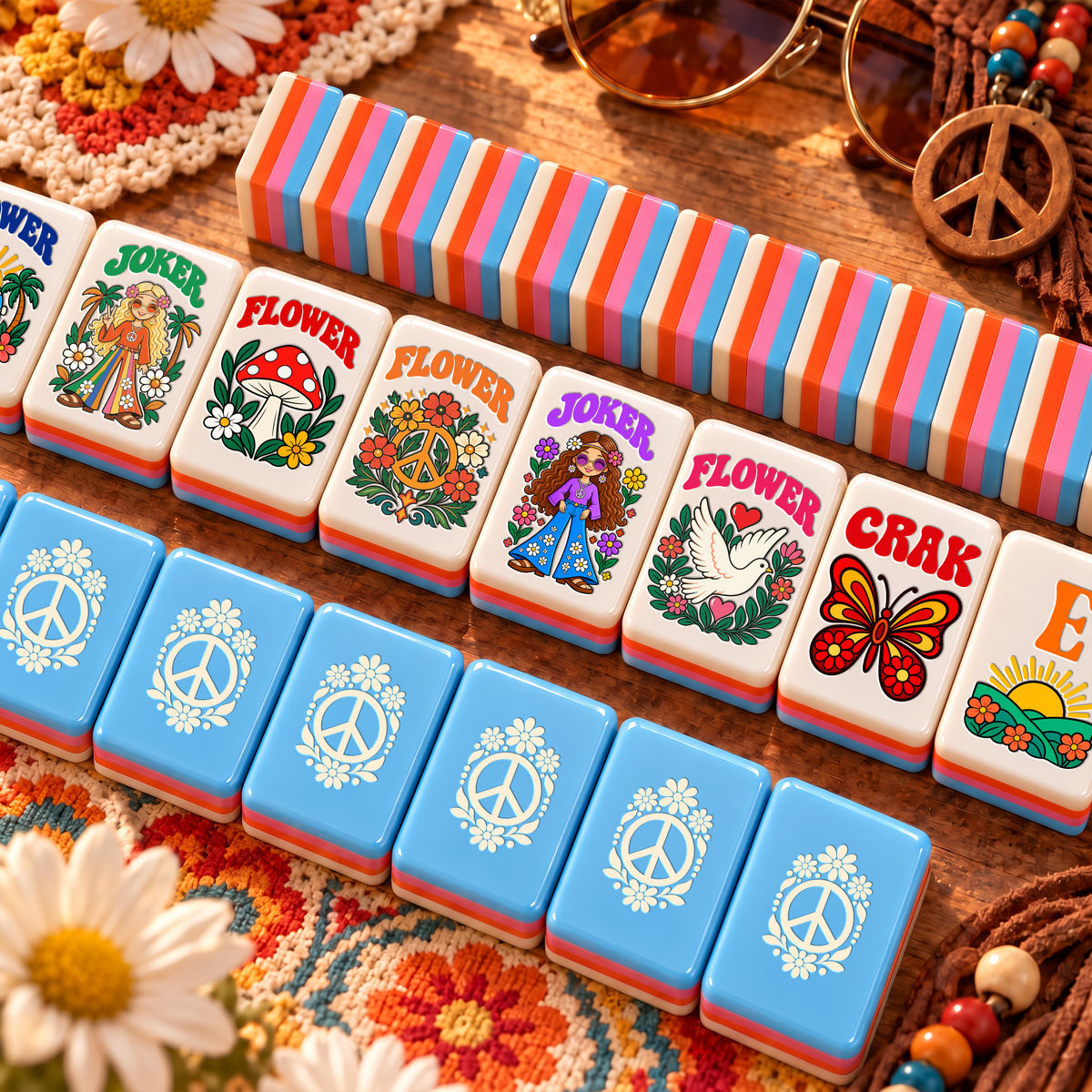
In Chinese mahjong variants, the Soap tile is the White Dragon, one of three dragon tiles (alongside Red and Green). It holds a distinctive dual function: it counts as a dragon honor tile in hand and, crucially, represents the number zero in certain hand patterns. Unlike the Red Dragon (paired with Craks) and Green Dragon (paired with Bams) in American mahjong, Soap traditionally pairs with Dots and also fills the zero slot when a hand requires it. In closed hands (hidden melds), it behaves like any dragon; when exposed, it remains a high-value honor tile. Most standard 160-tile sets from quality makers carry four copies of the Soap tile, matching the count of all other tiles, so you'll always have enough for legitimate play across any Chinese variant you encounter.
The White Dragon—called Soap in American mahjong circles—exists at the intersection of honor and number, making it one of the game's most misunderstood tiles. When you're learning Chinese mahjong or switching between variants, the Soap tile becomes a crucial reference point. We've hosted enough cross-variant tables to know that clarity on this single tile prevents hours of argument.
What exactly is the Soap tile?
The Soap tile is the White Dragon, one of three dragon honor tiles in every mahjong set. It appears on the tile face as a blank or white rectangle (hence "Soap"—a humorous name for a blank-looking honor). In a standard set, you'll see four copies, matching the standard tile distribution. Its primary identity is always as an honor tile, ranked between terminals and winds in hand value. It never bleeds into suit identity like Craks or Dots do, but its secondary role—representing zero—gives it flexibility unique among dragons.

Why does Soap represent zero in Chinese variants?
In traditional Chinese mahjong, hands often follow numeric or rank sequences. Soap fills the zero position because, logically, a "blank" dragon represents nothingness. When a hand pattern calls for 1–9 progression or a specific numeric slot, Soap steps in. In American mahjong, we don't use chows (sequences), so this zero function rarely applies; instead, Soap anchors honor melds like any other dragon. The distinction matters: a Chinese player might use Soap as a wildcard number; an American player treats it as a fixed honor tile only. Many rule sets across Hong Kong, Taiwanese, and Riichi variants assign it slightly different weights, but its presence in every hand's possible melds remains constant.
How do you spot the Soap tile in your set?
The Soap tile stands out immediately: it's blank or white, with no markings or symbols. Unlike Craks (usually drawn as a rod or coin), Bams (a stick or bamboo), or Dots (circles), Soap has zero visual content—that's the whole joke. If you're unpacking a new engraved or custom set, Soap tiles may be etched or tinted but will remain distinctly blank in their central field. You'll find all four copies among the honor tiles (dragons and winds), never among the numbered suits. A quick visual scan: if you see a tile with no numeric face, no suit symbol, and a solid or empty rectangle, that's Soap. In mixed-language sets, it may be labeled 白 (White), 中 (Middle), or simply left unmarked.
🀄 Shop best-selling mahjong sets →
Does Soap work the same way in American mahjong?
In American mahjong, the Soap (White Dragon) functions as a pure honor tile. It does not represent zero and cannot substitute for numeric tiles. The National Mah Jongg League hand card—the only valid hand source in American play—treats Soap like Red or Green: as a fixed, non-wildcard dragon that appears in specific melds. You may expose a Soap pung (three identical Soaps) or kong (four), but never as a joker substitute or wildcard. American hands never call for "1–9 with zero," so Soap's secondary numeric role has no bearing. If you're switching from Chinese to American play, the mental shift is critical: Soap becomes rigid, contextual, and bound to the card. This differs sharply from variants where Soap can flex into a number slot, so pay close attention to house rules before your first hand.

Comparison: How Soap differs across variants
Variant | Soap Role | Wildcard? | Honor Value | Common Error |
American | Fixed dragon honor only | No | Medium–high | Using it as zero |
Hong Kong | Dragon + numeric zero | Yes, in patterns | High | Unclear exposure timing |
Taiwanese | Dragon + flexible zero | Conditional | Medium | Mixing rules mid-hand |
Riichi | Dragon honor + bonus tile | No, but scores extra | High | Confusing bonus scoring |
Each variant builds its own ruleset, so before joining a table, ask: "Is Soap locked as a dragon, or can it float into a number slot?" That single question will clarify 80% of potential disputes.
What to check before you buy
When purchasing a mahjong set, confirm:
Four Soaps present: A complete set always includes exactly four White Dragons, matching Red and Green counts.
Clear visual distinction: Soap should be instantly recognizable (blank face or white tint) so no tile confusion mid-game.
House rules documented: Before play, clarify with your group whether Soap acts as an honor only or carries numeric flexibility.
Set language matched to your play: Bilingual or fully marked sets prevent mid-hand translation delays.
Most casual tables default to American rules (Soap = honor tile only) unless players explicitly agree otherwise. If your group plays multiple variants, keep a laminated house-rules card at the table.
🎁 See our most-loved mahjong sets & accessories →
Why the name "Soap"?
The nickname "Soap" emerged from mahjong culture as a playful jab at the blank face. A soap bar is white, featureless, and ready to be shaped—much like the tile's flexibility across variants. Some players joke that the White Dragon is "clean" of imagery, hence Soap. Others suggest it's a folk etymology tied to regional dialects. The label stuck because it's memorable and instantly signals "not a numbered suit"—a mental anchor that helps newer players sort tiles faster. You'll hear it almost exclusively in North American English mahjong circles; international or Chinese-speaking tables usually call it simply the White Dragon or 白龍.
✨ Find your Mahstead set — free US shipping →
What's in a complete mahjong set?
The Soap tile is one piece of a full puzzle. Understanding where it sits within the broader tile inventory helps you verify your set is complete and play with confidence. Our complete guide to what's in an American mahjong set walks you through all 152 tiles, including the four Soaps, so you know exactly what to expect when you unpack.

FAQ
Can I use Soap as a joker in American mahjong?
No. In American play, Soap is a fixed honor tile. Jokers are separate tiles (usually blank or marked "Joker"), and Soap can never substitute for any tile or position.
How many Soap tiles should be in my set?
Four. A complete American mahjong set contains 152 playing tiles plus 8 jokers (160 total), with exactly four copies of every tile, including the four Soap/White Dragon tiles.
Is Soap worth more points than Red or Green dragons?
In American mahjong, all three dragons (Red, Green, Soap) carry identical hand value and scoring weight—they're interchangeable in terms of points. Scoring depends on the hand pattern and your position, not the dragon type.
What if my set shows a symbol on the Soap tile instead of blank?
Some engraved or custom sets mark Soap with a character (like 中 for "Middle"), an icon, or a pattern to make it easier to spot quickly. The tile is still Soap; the marking is purely visual aid.
Do I need to tell my group that Soap can mean zero in Chinese variants?
Yes. If you're playing American mahjong using the National Mah Jongg League card, Soap is never zero—it's an honor tile only. If your group plays Chinese variants, clarify rules before the first hand. A misunderstanding here can derail an entire game.


View More
View More
View More
