
Riichi Mahjong Honba Rules: Points, Bonuses & Play
Last updated: Nov 23, 2026
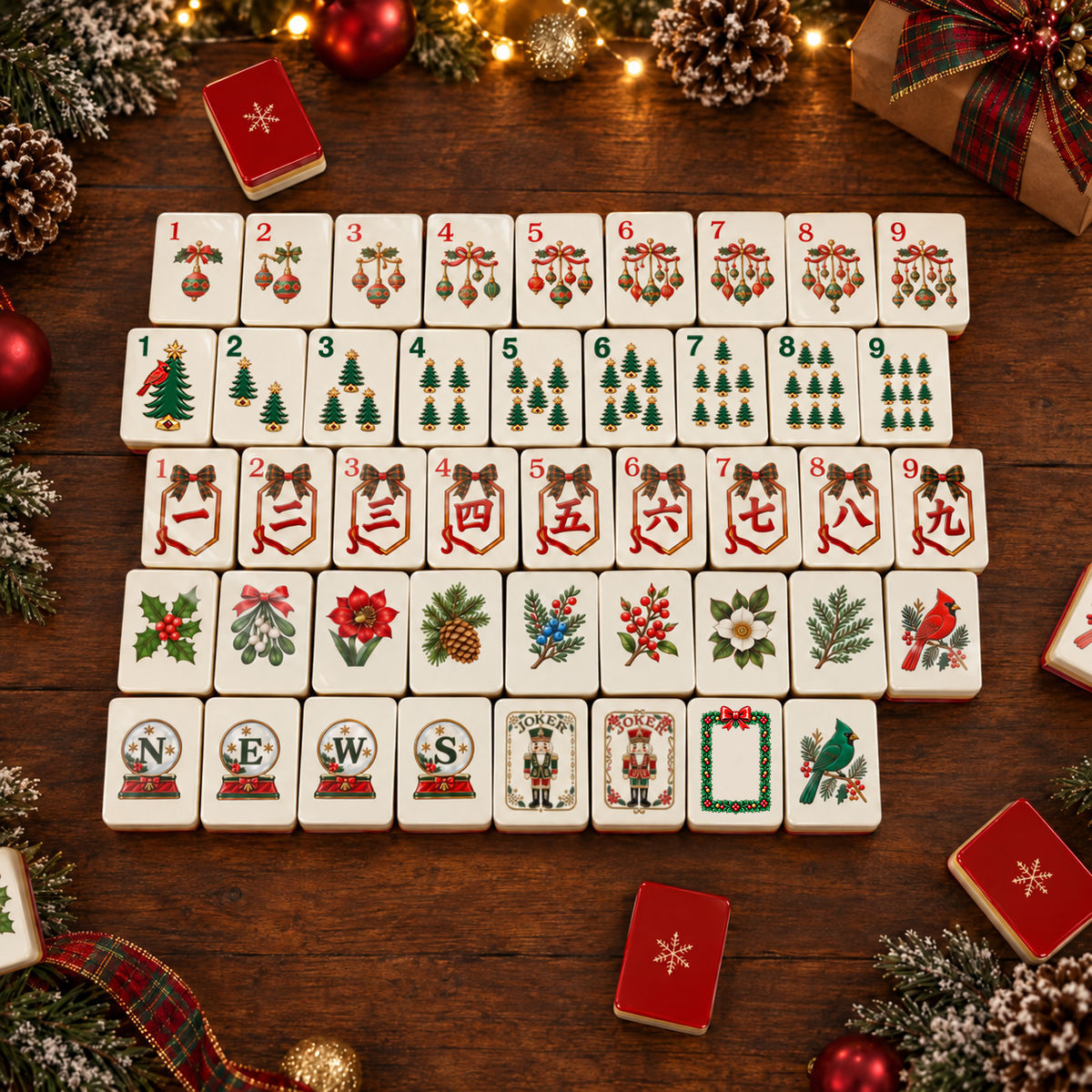
Honba is a continuation bonus in riichi mahjong played after a hand ends without a winner (abortive draw) or when renchan (same seat wins again) occurs. Each player antes one or two honba stakes (typically 100 points each in casual play) into a central pot before the next hand begins. The honba counter—a physical stick or digital tracker—increments by one for each round without a winner. When someone wins by tsumo (self-draw), they collect the entire honba pot plus base points from all players. If they win by ron (discard), the discarder pays the honba pot plus points to the winner; other players pay base points only. Honba resets to zero after someone wins. Unlike American mahjong, riichi uses hand rankings, melds called "groups," and a points calculation system where honba staking increases dramatically during long sequences without winners, escalating tension and payouts substantially.
Honba in riichi mahjong transforms a standard win into a tournament-style pressure cooker. Unlike American mahjong, which relies on a fixed hands card and jokers, riichi mahjong awards points based on hand type, tile combinations, and payment structure—honba is the financial mechanism that rewards patience and punishes prolonged dry spells.
What exactly is honba and how does it work?
Honba (本場, "continuation round") is a bonus pot that accumulates when no one wins a hand or when the same player wins consecutively. Before each new hand, every player antes a small fixed amount—usually 100 points in casual games, though tournament rules may differ—into the pot. A counter (physical stick or app tracker) increments by one each round. When a player wins, they collect the honba pot plus standard base points from each opponent. The honba counter then resets to zero, unless the winner is renchan (same player East wind again), in which case it stays and grows further. This mechanic ensures that long droughts accumulate value, making eventual winners wealthier and earlier rounds less consequential economically.

How does the discarder pay differently than other players?
In riichi mahjong, the player whose discard caused the win (the discarder) bears the full cost. If someone wins by ron (calling another player's discard), the discarder pays the winner the honba pot plus all calculated points for that hand. Non-discarders pay only their base-hand points to the winner and nothing toward the honba pot. If a player wins by tsumo (self-drawing), all three opponents split the honba pot equally and pay their base points—no single player shoulders extra cost. This distinction creates table psychology: discards become riskier as honba grows, especially late in a hand when many tiles remain undrawn.
What happens during renchan and how does honba stack?
Renchan occurs when the East player (dealer) wins and remains dealer for the next hand. The honba counter does not reset; instead, it carries forward and increments again if the next hand is also drawn (no winner). Over multiple consecutive renchan, honba can reach 5, 6, or higher, creating massive pots. For example: Hand one ends in a draw with zero honba (counter = 1). East wins hand two by tsumo; honba resets to 0. East wins hand three; honba stays 0 and resets after payment. But if Hand two were drawn and hand three drawn again, honba would reach 2 or 3 before someone finally wins, and that winner collects everything. Tournament play often has honba caps (e.g., maximum 5) to prevent infinite accumulation, but casual games rarely enforce this. Renchan with accumulated honba is among the highest-scoring situations in riichi mahjong.
How do you track honba stakes during play?
Physical honba counters—small sticks or chips placed visibly on the table—are the traditional method. Each stick represents one completed "draw round" without a winner. Before shuffling tiles for a new hand, players place their ante into a central honba pot, and the counter advances by one. Digital apps and online platforms automate this: the interface displays the current honba count and deducts/credits points automatically upon a win. In a home game, use a designated chip, button, or even a written tally sheet. The key is visibility: everyone must see the current count so discards and payment calculations are transparent. Never hide or dispute the honba counter—disputes escalate fast when stakes are involved. Some players use multiple counters (one per seat) to track East-specific or house-specific bonuses, but standard riichi honba uses a single shared counter.

How does honba differ from American mahjong scoring?
American mahjong uses a fixed hands card (issued annually by the National Mah Jongg League) and does not employ honba or ante systems. Winners collect a flat point value per hand type, with no bonus for drawn rounds or dealer continuity. Riichi mahjong, by contrast, calculates points dynamically based on winning hand composition (sets, terminal tiles, winds, dragons) and payment structure, then layers honba as a financial accelerator. American play resets to zero points each hand; riichi honba creates carryover liability that escalates dramatically. Riichi also includes yaku (winning hand patterns), which American mahjong lacks. If you're transitioning from American to riichi, expect a completely different scoring and settlement rhythm—honba is the biggest shock. Our best-selling mahjong sets are designed for American play, but many riichi players use acrylic tiles from quality sets for casual home games regardless of variant.
Common honba mistakes and how to avoid them
Mistake 1: Forgetting the honba counter increments even after a "lucky" abortive draw. In riichi, a nine-tile terminal or honor discard (misdeal) or a kong on the first round (dead hand) counts as an abortive draw (流局, rūryōku), and honba increments. Many new players think "no one played, so no honba." Wrong—honba ticks up unless someone actually won and collected it. Prevention: Announce the honba count aloud after each new hand setup.
Mistake 2: Miscalculating who pays the honba pot. Players often assume the honba pot is split equally among all three opponents in a tsumo win, or that non-discarders also contribute in a ron loss. Prevention: Memorize: tsumo = all three pay equal share of honba; ron = discarder pays entire honba, others pay base points only.
Mistake 3: Resetting honba after a non-renchan win. If East player wins but does not remain dealer (e.g., East won with a low-point hand that triggers dealer change), honba resets to zero immediately. If East wins and stays East, honba stays and can grow. Prevention: Check the seat rotation rule your group uses; some casual games do not enforce dealer change, so clarify upfront.
Mistake 4: Not capping honba. Casual play often has no honba ceiling, but after 8+ rounds without a winner, the pot becomes so large that one player's loss bankrupts the table. Prevention: Before starting, agree on a honba cap (e.g., "honba stops at 5") or a maximum antes rule.
Comparison: Honba payout scenarios
Scenario | Round | Discarder Pays | Other Players Pay | Winner Receives | Honba Counter After |
Tsumo win, no prior draws | 1 | Base points only | Base points only | 3× base points | 0 (resets) |
Tsumo win, 2 prior draws | 1 | Base points only | Base points only | 3× base points + full pot | 0 (resets) |
Ron win, no prior draws | 1 | Base points | Base points | Base points from discarder only | 0 (resets) |
Ron win, discarder loses, 3 draws accumulated | 1 | Base + full honba pot | Base points only | Base + full honba pot from discarder | 0 (resets) |
Draw (abortive or tied) | 1 | 100-point ante | 100-point ante each | Nothing (pot carries) | +1 (increments) |
East renchan (wins and stays dealer), 1 prior draw | 1 | Base only | Base only | 3× base + honba | 0 (resets) |
🀄 Shop best-selling mahjong sets →
What to check before you play honba-style riichi
Confirm antes. Is it 100 points per player per hand, or a different amount? Write it down.
Agree on a honba cap. Decide upfront whether honba can exceed 5, or if there's a maximum pot size (e.g., "never more than 500 points").
Clarify renchan rules. Does your group use strict dealer rotation, or do some players stay East longer? Does that affect honba carryover?
Designate a tracker. Assign one player to monitor the honba counter—ideally someone neutral or rotating per session.
Settle immediately. When someone wins, calculate and pay the honba pot first, then base points, before shuffling the next hand. Delaying settlements creates disputes.
Track on paper if stakes are high. If your game involves real money, write down each hand's honba count and settlement so there's a paper trail if anyone questions a payment later.
Honba transforms riichi mahjong from a casual tile game into a high-stakes financial puzzle. The mechanic punishes cautious play and rewards aggressive winners, making every drawn hand a small victory for strategic players who know the table is fattening the pot. Whether you're a casual player or approaching tournament riichi, mastering honba payment structure prevents money disputes and keeps the game fun for everyone.
🎁 See our most-loved mahjong sets & accessories →
If you've been playing American mahjong and want to explore riichi at home, many players enjoy engraved acrylic sets for both variants—the tile quality remains consistent and the engraving adds a personal touch for regular game nights. A sturdy mahjong mat and racks with pushers make honba tracking easier because the organized layout prevents accidental tile shifts or miscounts when larger pots are at stake.
✨ Find your Mahstead set — free US shipping →

FAQ
Can honba exceed a certain limit, or can it grow infinitely?
Casual riichi games allow honba to grow indefinitely, but tournament rules typically cap honba at 5–8 increments to prevent one player from owing thousands. House rules vary; agree on a cap before playing.
If two players are tied for the winning hand, how is honba divided?
In riichi mahjong, ties in winning hand rank are very rare (usually a misdeal results). If it occurs, most groups split the honba pot evenly between tied winners and base points per standard rules; clarify with your group beforehand.
Does honba carry over into the next game session, or does it reset?
Honba resets to zero when a session ends. It accumulates only within a single continuous game. Starting a new session always begins with honba = 0.
What happens to the honba pot if someone wins by self-draw (tsumo) versus a discard (ron)?
In both cases, the honba pot goes entirely to the winner. In tsumo, all three opponents split the honba cost equally. In ron, the discarder pays the entire honba pot (plus base points); other players pay only base points.
Is honba used in Hong Kong or Chinese mahjong variants, or only riichi?
Honba is primarily a riichi mahjong mechanic. Hong Kong and Chinese mahjong use different payment systems (e.g., double payout to discarder). American mahjong does not use honba at all. Each variant has its own scoring framework.


View More
View More
View More
