
New Year's Eve Mahjong Party Decorations & Hosting Ideas
Last updated: Nov 23, 2026
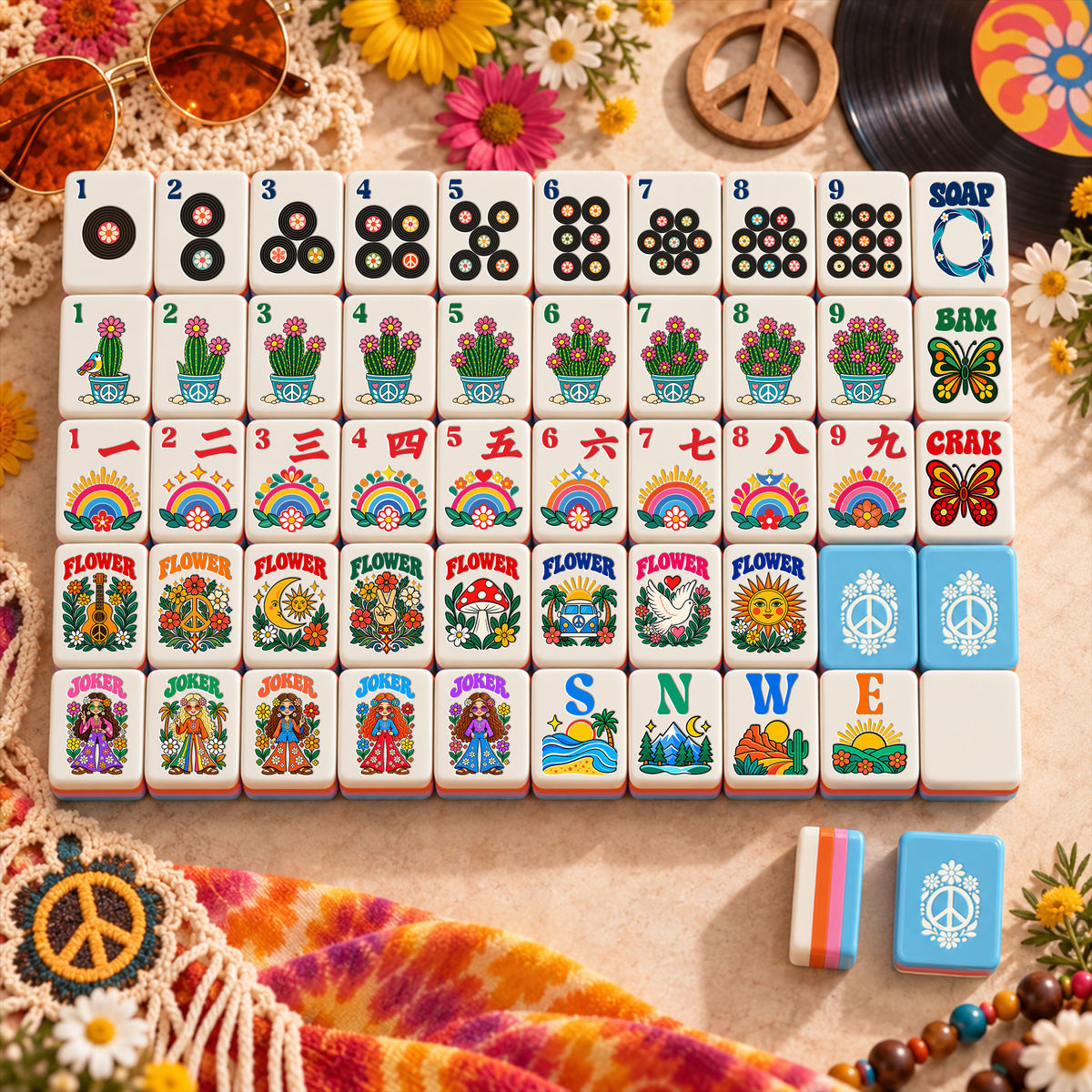
New Year's Eve mahjong parties thrive on a few key elements: a well-lit table (4–5 feet minimum), a quality mat to protect your surface and muffle tile sounds, hand-engraved or colorful acrylic sets that catch the light, place cards and scorecards printed in gold or silver, and subtle ambient touches—string lights above or around the table, a small centerpiece that won't block sightlines, and perhaps metallic or deep jewel-tone napkins. Most hosts avoid overwhelming decoration; mahjong itself is the centerpiece. Mahstead's best-selling mahjong sets often feature hand-painted designs or metallic accents that read as celebratory under evening light. Keep the space organized: designate a clear hand area for each player, stack the wall neatly, and ensure everyone can reach their rack comfortably. A dedicated NYE mahjong night typically runs 2–4 hours; plan snacks and drinks around hand rotations to maintain focus and fun. 🀄 Shop best-selling mahjong sets →
How do you light a mahjong table for an evening party?
Good lighting is non-negotiable for New Year's Eve play. Use overhead warm LEDs (2700K color temperature mimics candlelight without glare) or place a tall lamp behind and to the side of the table. Avoid harsh ceiling fixtures directly above; they cause tile glare and eye strain. String lights around the room add ambiance but shouldn't shine on the table surface itself. If you're playing outdoors, use battery-powered LED uplights under the table perimeter—they won't cast shadows on tiles. Test your setup an hour before guests arrive; adjust brightness so players can read suit symbols instantly at arm's length. Many of us position a small rechargeable reading lamp near the player who manages the score sheet, so they can track hands clearly without asking others to repeat.

What mat or table cover works best for festive hosting?
A dedicated mahjong mat does three jobs: it protects your dining table, dampens the clack of tiles (important when others are watching or relaxing nearby), and creates visual separation between play space and the rest of the room. For New Year's Eve, choose a mat in black, deep teal, or burgundy—jewel tones read as upscale and don't show crumbs or spills as quickly as pastels. Felt-backed vinyl mats are easiest to wipe clean between rounds; leather-backed mats look more formal. Avoid thin tablecloths; they bunch under racks and send tiles sliding. A standard mat measures 24–28 inches per side and fits neatly on most rectangular tables. Lay it down 30 minutes before play so tiles and racks settle; players will thank you for the silent play surface.
🎁 See our most-loved mahjong sets & accessories →
Which tile designs look most festive without being distracting?
Engraved American mahjong sets with metallic inlays, pearlescent faces, or hand-painted titles catch light beautifully under evening lamps. Avoid sets with loud neon accents or photo-realistic designs; they tire the eye over four hours of play. Classic jade-green with gold engraving, ivory with mother-of-pearl texture, or midnight blue with silver titles work year-round but read as elegant on New Year's Eve. If you own multiple sets, rotate the tiles so the decorative sides (titles, numbers) face the same compass direction—it unifies the visual field. Jokers are part of the aesthetic too; sets with custom joker designs add personality without breaking focus. Test your set under your actual party lighting a few days ahead; tiles that shimmer in daylight may look dull under indoor LEDs, and vice versa. Acrylic sets with clear or frosted faces tend to photograph well if guests share photos.
How should you arrange racks, scorecard, and player seating?
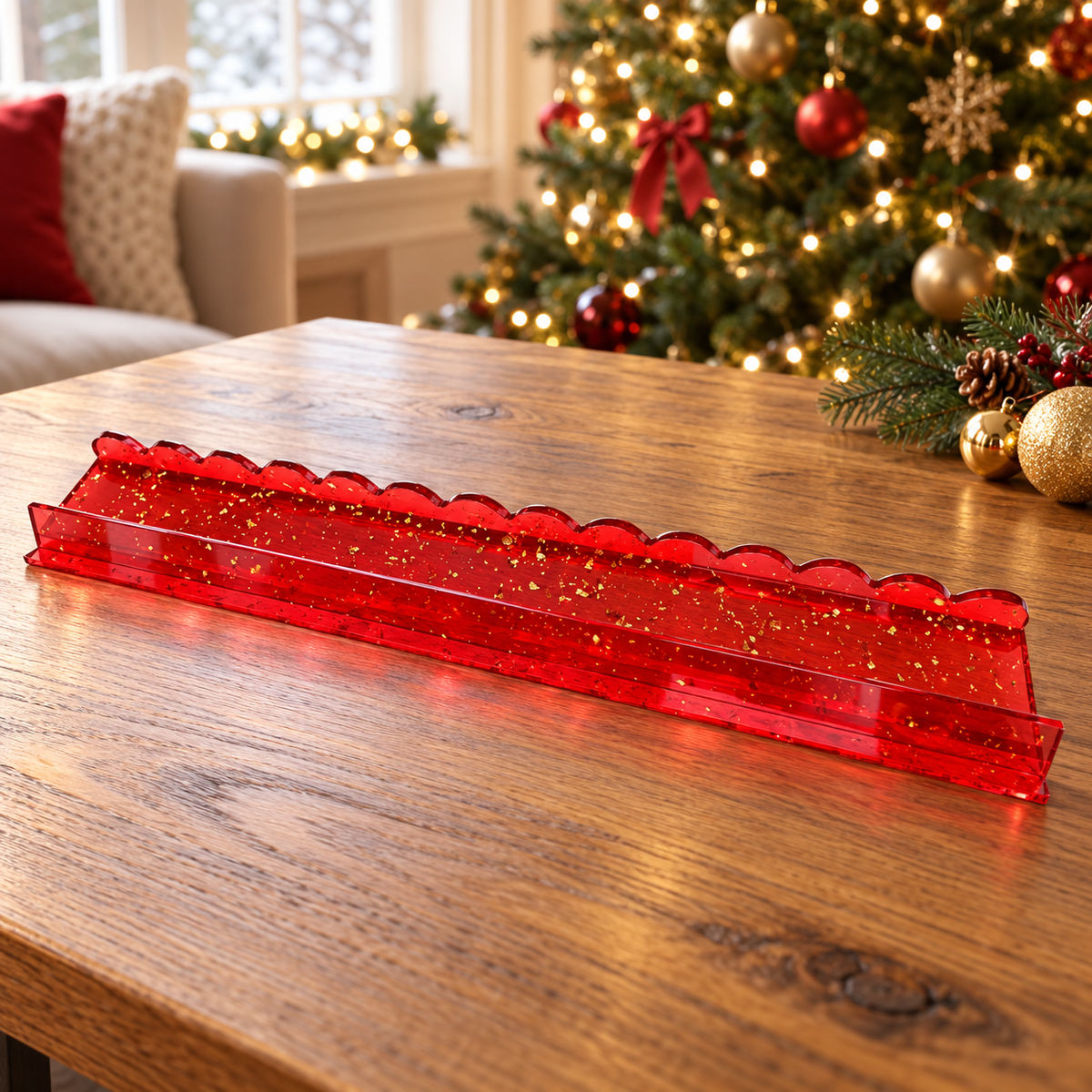
Player comfort directly affects game quality. Seat players around a square or rectangular table with at least 18 inches of elbow room per person. Use racks with pushers so tiles stay upright and organized; pushers help keep hands grouped by suit, which speeds play and reduces errors. Position the score sheet and pen at the East player's seat (or rotate it annually—decide before play starts). Keep a small notepad nearby for running tallies during especially close rounds. Place a water pitcher and glasses slightly outside the play zone to prevent spills onto the mat. Designate one player to manage the wall initially; after the Charleston, rotation happens automatically with each hand. If you're hosting eight people (two simultaneous games), position both tables six feet apart so conversations don't overlap; each table needs its own mat and light source.
What snacks, drinks, and décor don't interfere with play?
Food and ambiance matter equally on NYE. Serve snacks that don't require both hands—cut cheese, crackers, fruit, chocolate-covered nuts—so players can eat between draws without abandoning their racks. Avoid messy finger foods (wings, barbecue) that leave oil on tiles. Drinks: wine, champagne, or sparkling cider in stemmed glasses work well (less likely to tip than mugs). Provide small cocktail napkins at each place setting; soft paper prevents tile slipping if hands get slightly damp. Décor: place a low floral or metallic centerpiece in the room's corner, not at the table center. Hang a "Happy New Year" banner on the wall behind the table; it won't obstruct play. Use subtle mood-setting—candles on high shelves (away from tiles), soft background music at conversation volume (40–50 dB), or a small speaker playing instrumental jazz or modern classical. Avoid flashing lights, confetti near the play surface, or scented candles that overpower the room; players need to focus, and strong smells distract.
What's a realistic timeline for a NYE mahjong night?
Plan for 3–4 hours of active play. Guests arrive 30 minutes early; use this time for final setup, welcomes, and a quick rules refresher if anyone is new. The Charleston takes 5–10 minutes. A typical hand lasts 20–30 minutes (or longer if players are cautious or the hand is competitive). Most groups play 6–8 hands in an evening, with a 5–10 minute break every two hands to stretch, eat, and reset the wall. Settle scoring after the final hand; announce results lightheartedly. The whole event, from arrival to finish, typically wraps in 4 hours. Start around 8:00–8:30 PM so you finish before midnight (or time your final hand to conclude just as the clock strikes). If you want a midnight champagne toast, plan the last hand to end by 11:50 PM.
Element | Festive Choice | Why It Works for NYE |
Tile Set | Metallic inlays or pearlescent acrylic | Catches light; reads as celebratory under lamps |
Mat Color | Black, burgundy, or deep teal | Upscale feel; hides spills and crumbs |
Lighting | Warm LED (2700K) overhead or tall side lamp | No glare; easy tile reading; flattering ambiance |
Racks | Pushers included | Organized, tidy look; faster play |
Snacks | Cheese, crackers, fruit, nuts | One-handed eating; no greasy tile damage |
Drinks | Stemmed wine glasses or flutes | Less tipping; elegant appearance |
Décor | Banner, corner flowers, soft background music | Festive without obstructing play |
Duration | 3–4 hours total event time | Enough hands (6–8) without fatigue |
✨ Find your Mahstead set — free US shipping →
What to check before you buy or set up
Tile condition: Open your set 2–3 days early and inspect all 152 tiles for cracks or warped faces. Travel bags and cases protect tiles during transport and storage, so if you're borrowing or sharing sets, invest in a padded case.
Table size: Measure your table. Standard mahjong play needs 4.5–5 feet per side minimum; a 4-foot square table is tight for four players. If space is limited, use a narrower mat and consider a smaller set, or play two games simultaneously at separate tables.
Mat grip: Test your mat's underside on your actual table surface. Some mats slip on lacquered wood; non-slip rubber pads underneath solve this.
Player experience level: If new players are attending, print a simplified hand card or cheat sheet at each seat. Experienced players often enjoy teaching, so assign one per table.
Timing and breaks: If NYE falls on a weeknight, start play by 7:30 PM so people can leave by 11:30 PM. Weekends allow more flexibility.
Backup plan: Have two complete sets on hand. If one develops a mechanical issue (a tile breaks, jokers go missing), you can switch without interrupting the evening.

FAQ
Should I use traditional Chinese tiles or American acrylic tiles for a New Year's Eve party?
American acrylic tiles are ideal for NYE hosting. They're brighter, easier to read under variable lighting, and acrylic doesn't chip as easily as bone or bamboo if someone accidentally bumps the table during celebration. They photograph well too.
How many sets do I need if I have eight guests?
Two complete 152-tile American mahjong sets (one per table, four players each). Having a spare set nearby is wise in case of damage or a lost joker.
Can I decorate with real gold or silver paint on my tiles?
No. Paint or metallic coatings on tile faces will wear off with handling and contaminate other tiles. Choose pre-made sets with factory-applied inlays or enamel accents; they're durable and designed for play.
What's the best way to prevent tiles from sliding during play on a slippery table?
Use a non-slip mat. If your mat still slides, place thin rubber pads under its corners. Mahstead's mahjong mats are backed for grip, and racks with pushers keep tiles stable in players' hands.
Should I assign seating order before guests arrive or let them choose?
Assign seats based on experience level (mix new and experienced players at each table) and comfort. Typically, East player manages the wall initially. If your group has a tradition or ranking, honor that—it builds continuity year to year.
How do I handle a tie or scoring dispute during New Year's Eve play?
Have a current year's National Mah Jongg League hand card at each table. Players can reference it to verify a hand's legality. For scoring disputes, the East player's call is final unless the group agrees to review the card together.


View More
View More
View More
