
Malaysian vs. Vietnamese Mahjong: Rules, Tiles & Key Differences
Last updated: Nov 23, 2026
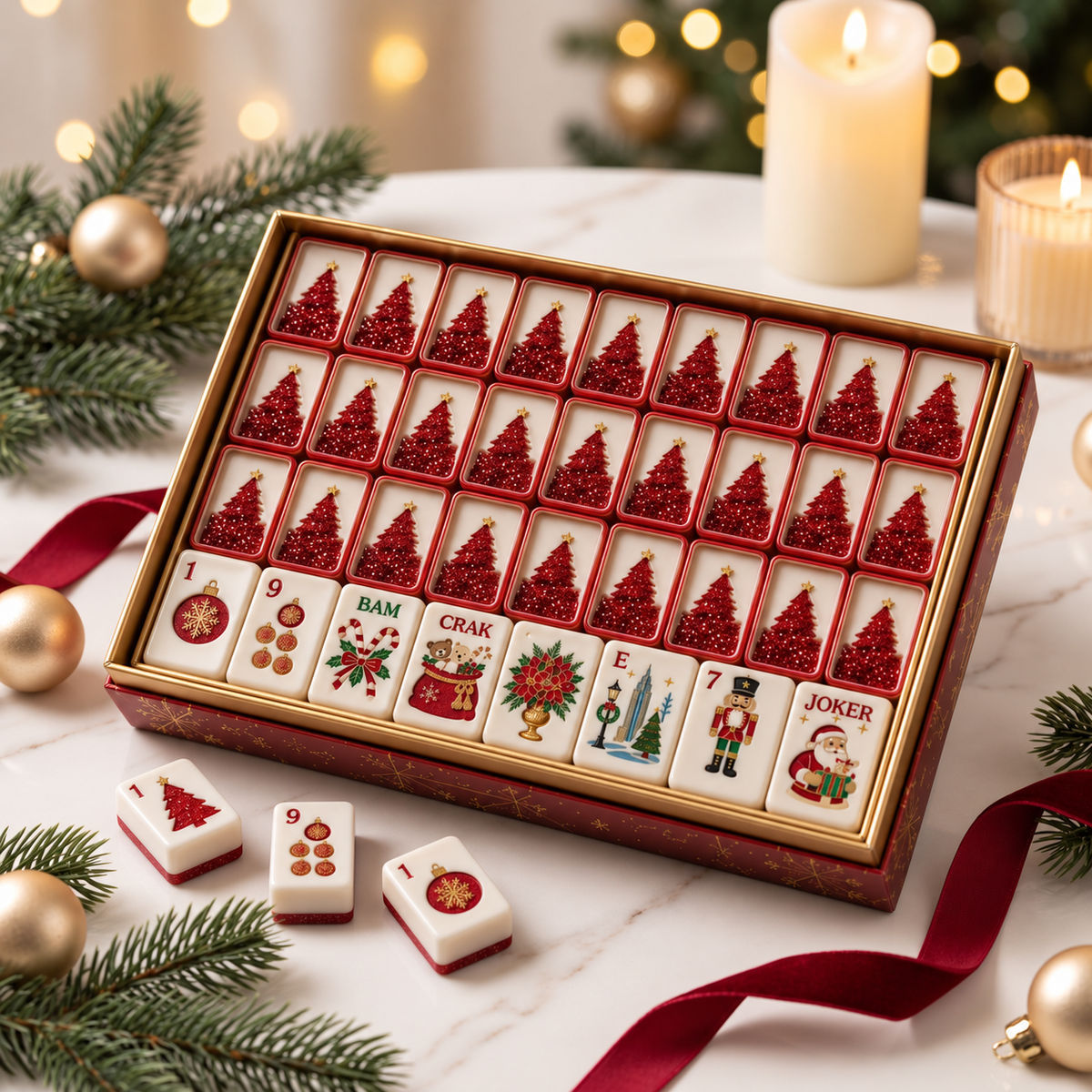
Malaysian mahjong uses 144 tiles (three suits 1–9 × four copies each, plus winds and dragons) and requires players to form hands from a published hand chart specific to Malaysia; melds are pungs (3), kongs (4), or sequences (chows). Vietnamese mahjong typically plays with 144 tiles in similar suit structure but emphasizes different winning patterns, fewer or no printed guides, and relies more on regional house rules; sequences may be called or exposed differently than in American play. Both games use tile passing (a Charleston-like ritual) before the hand begins. The key difference: Malaysian mahjong follows a rigid published hand card system much like American mahjong, while Vietnamese play is more fluid, with patterns passed orally and varying by region. Neither uses jokers in the way American mahjong does. If you're hosting players from Malaysia or Vietnam, ask which specific house rules apply before the first hand, because regional and family variations are common.
What tiles does Malaysian mahjong actually use?
Malaysian mahjong plays with 144 tiles: three suits (Bams, Craks, Dots numbered 1–9), four winds (North, East, South, West), and three dragons (Red, Green, White). Each tile appears four times. This contrasts with American mahjong, which uses 152 tiles and includes flowers and jokers; Mahstead's 160-tile sets contain the full American inventory plus spares. Malaysian players do not use jokers or blank tiles during play—the 144-tile structure is strict and never expanded.
The tile faces themselves look similar to Chinese and American tiles, but the hand patterns recognized as winning differ radically. Malaysian mahjong publishes an official hand chart each year (similar to the National Mah Jongg League card in the US), and only hands printed on that chart are legal. This removes ambiguity: you cannot invent a winning pattern or rely on what your grandmother taught you—the card is law.
🀄 Shop best-selling mahjong sets →

How does Vietnamese mahjong differ in winning patterns?
Vietnamese mahjong does not rely on a single published hand card the way Malaysian or American versions do. Instead, winning patterns are defined by regional custom and family tradition, passed down orally or written informally in local rulebooks. Common patterns include All Pungs (melds of three identical tiles), Mixed Suits, and Dragons; however, the exact patterns, point values, and restrictions vary significantly between Hanoi, Ho Chi Minh City, and rural regions.
Because Vietnamese mahjong lacks a centralized hand reference, players from different provinces or families may clash on what constitutes a legal win. This fluidity is both a strength—it keeps the game adaptive—and a challenge for newcomers. If you are learning Vietnamese mahjong, ask explicitly which ruleset your group follows and request a written summary or link to the rules before your first game. The number of tiles is also 144, matching Malaysian mahjong, but the hand possibilities are far less constrained.
Can you call and expose melds the same way in both variants?
In Malaysian mahjong, melds follow strict rules: you may call and expose a pung (3 identical tiles), a kong (4 identical), or a chow (sequence of 1–2–3, 2–3–4, etc., in one suit). The moment you call a pung or chow from the discard, it becomes visible and your turn ends. A chow may only be called from the player to your left; a pung or kong can be called from any player.
Vietnamese mahjong also permits calls on melds, but the rules around chows, pungs, and hand-winning conditions are less standardized. Some regions allow chows only in a "pure" hand (one suit), while others permit mixed-suit sequences. Some versions treat a concealed hand (all melds made from the wall, no calls) as having higher value than a hand with visible melds, incentivizing defensive play. Always clarify your group's meld-calling protocol in advance.
Neither Malaysian nor Vietnamese mahjong operates like American mahjong, where chows cannot be called at all—only pungs, kongs, and larger melds like quints appear on the hand card and are played as written.
What role does the hand card play in each game?
Malaysian mahjong's hand card is the rulebook: it lists all legal winning hands, each with a unique point value, and may note restrictions (e.g., "No honors in pungs" or "Quint of Bams required"). Players study the card before play, consult it during the hand, and refer to it to settle disputes. The card changes annually, so the game stays fresh and skill centers on recognizing patterns and managing risk under a known set of rules.
Vietnamese mahjong may have an informal hand guide or none at all. If a guide exists, it is often a handwritten or photocopied document shared within a club or family, not a standardized national publication. This means two Vietnamese mahjong groups in the same city could play with different allowed hands and point systems. Some groups memorize traditional patterns and enforce them verbally; others negotiate on the fly.
If you are setting up a regular Vietnamese mahjong game in your home, document the hand patterns and point values your group agrees on, write them down, and post them at the table. This prevents disputes and lets new players learn quickly.

Which variant is easier for an American mahjong player to learn?
American mahjong players will find Malaysian mahjong more intuitive because both games use a printed hand card, both forbid calling chows, and both follow a formal structure. If you already read the National Mah Jongg League card and understand American hand composition, studying the Malaysian hand card will feel natural. The tiles are the same; only the winning hands and point values change.
Vietnamese mahjong is harder for American players because it lacks a single authority, permits chow calls (which American mahjong does not), and relies more on memory and verbal tradition than a published reference. You will need to unlearn the American rule that chows are invisible, and you will need a clear written explanation of your group's specific patterns before the first tile is drawn.
For a player new to both Malaysian and Vietnamese games, start with Malaysian mahjong and a rulebook in hand—the structure mirrors American mahjong enough to feel familiar, yet offers a fresh challenge.
Variant | Tile Count | Hand Card | Chow Calls | Best For |
Malaysian | 144 | Official, annual | No (closed sequences only) | American players; structured play |
Vietnamese | 144 | Informal/oral | Yes (region-dependent) | Regional communities; adaptable rules |
American | 152 + jokers | Official, annual | No (no chows at all) | US-based clubs; widely published |
What should you check before you buy a set for Malaysian or Vietnamese play?
Before purchasing a set, confirm your group's tile count (144 for both variants), verify that the tile faces are large and clear enough for your eyesight, and ensure you have a durable mat if you play at home regularly. A quality mahjong mat protects tiles and keeps them in organized rows during play—essential if you are holding multiple hands per week.
Check the tiles for balance: if they are too light or brittle, they will shuffle poorly and frustrate players. Ask your fellow players whether they prefer bamboo-look tiles, acrylic, or ceramic. If you are buying a set for the first time and expect to play both Malaysian and American variants, note that American sets are 152 tiles; you cannot use the same set for both without swapping tiles, which is tedious. Consider whether you want to buy separate sets or commit to one regional variant first.
🎁 See our most-loved mahjong sets & accessories →
How do you set up a regular Malaysian or Vietnamese mahjong game?
Step 1: Gather your players (four is standard) and agree on which variant and house rules you will follow. If Vietnamese mahjong, write down the winning hands and point system.
Step 2: Obtain a tile set (144 tiles for either variant). If playing at home weekly, invest in a mat with pushers and a rack—they keep tiles organized and reduce fatigue.
Step 3: Shuffle the tiles face-down on the mat, then build the wall (a long row of stacked tiles, or a smaller wall per regional convention). Perform the tile-passing ritual (Charleston or equivalent) to distribute starting tiles.
Step 4: Designate the first dealer (or draw randomly), display the hand card, and play the hand. After each hand, rotate the dealer seat.
Step 5: Keep a score sheet if playing for points. At the end of the session, settle scores (play-money only, or for pride).
Real differences to know before your first game
Issue | Malaysian | Vietnamese |
Rules reference | Official published card | Oral or informal document |
Chow calls | Forbidden (like American) | Allowed, region-dependent |
Setup time | Fast (rules are printed) | Slower (verify house rules first) |
Regional variation | Minimal; card is standard | High; every region varies |
Good for beginners | Yes (clear structure) | No (too much ambiguity) |
If you host weekly Malaysian or Vietnamese mahjong nights and your tiles are worn or mismatched, Mahstead's best-selling collections include durable 160-tile sets that cover both American and other regional play—choose a design your table loves, and refresh with confidence.
✨ Find your Mahstead set — free US shipping →

FAQ
Can I use an American mahjong set (152 tiles) to play Malaysian or Vietnamese mahjong (144 tiles)?
No. American sets include flowers and jokers that Malaysian and Vietnamese play does not use. You would need to remove eight tiles before every game, which is error-prone and frustrating. Buy a dedicated 144-tile set for each regional variant.
Are Malaysian and Vietnamese mahjong the same game with different names?
No. Both use 144 tiles and a similar suit structure, but Malaysian mahjong follows a strict published hand card (like American mahjong), while Vietnamese mahjong is defined by regional oral tradition and lacks a single authority. Winning patterns, meld rules, and point values differ significantly.
Which variant should I learn first if I already play American mahjong?
Malaysian mahjong. It uses a published hand card like the National Mah Jongg League card, does not permit chow calls, and feels structurally familiar. Vietnamese mahjong will require you to unlearn several American rules and memorize local customs, making it better as a second variant.
Do Malaysian and Vietnamese mahjong use jokers?
No. Both play with 144 tiles and no jokers or blank tiles. Jokers are specific to American mahjong. If your set includes jokers, remove them before play.
How do I find out the exact house rules for a Vietnamese mahjong group before joining?
Ask the group organizer for a written rulebook or hand list before your first game. If they say "we'll teach you," ask them to write down the top five winning patterns and their point values. Vietnamese mahjong varies so much by region that verbal instruction alone often leads to disputes; getting it in writing upfront protects everyone.


View More
View More
View More
