
Malaysian Mahjong Tips: Rules, Tiles & Play Differences
Last updated: Nov 23, 2026
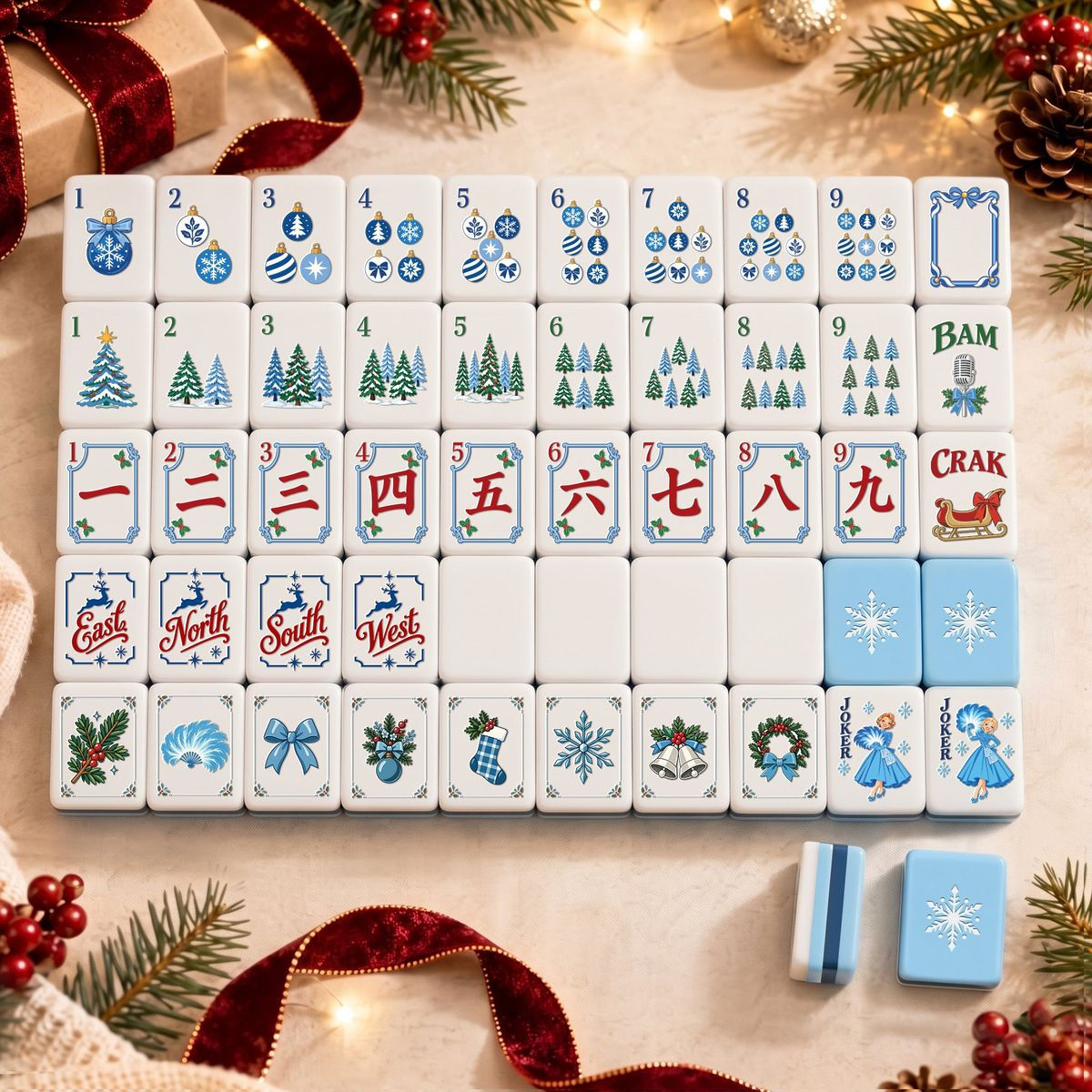
Malaysian mahjong uses a 144-tile set (no blanks or jokers) with Bams, Craks, and Dots 1–9, Winds, Dragons, and Flowers—similar to Hong Kong play. The game demands speed: players call and discard in rapid sequence, and you can declare "ready" before winning, which affects scoring. Hands come from regional pattern books (not a single annual card like American mahjong), so flexibility is key. Winning often requires reading the discard pile faster than opponents and knowing which patterns the current player is chasing. Malaysian tables prize tempo and reading; American players sometimes stumble on the looser hand definitions and the rule that any player can win on any discard (not just the dealer). We recommend learning one regional rulebook thoroughly—ask your local club which version they play—before sitting down.
What tiles and sets are used in Malaysian mahjong?
Malaysian mahjong uses 144 tiles: three suits (Bams, Craks, Dots) numbered 1–9, four copies each (108 tiles); 16 winds; 12 dragons; and 8 flowers. There are no jokers or blanks, and no "zero" Dragon. The hand patterns printed in Malaysian reference books are looser and more numerous than American patterns, allowing players to adapt mid-game. Most clubs keep a pattern sheet at the table for reference during play.

How does Malaysian calling differ from American mahjong?
In Malaysian play, you call immediately when you hold a winning pattern—you don't wait for the dealer to acknowledge. Any player can call on anyone's discard, and the fastest call wins; if two players call simultaneously, there's a tie-breaking rule (often position-based). American mahjong waits for the dealer to validate the winning hand on the current year's card before paying out. Malaysian tempo rewards alertness; American requires absolute certainty before speaking. This speed difference trips up newcomers: many American players hold winning tiles too long, waiting for official permission.
What is "ready" (ting) and how does it affect scoring?
In Malaysian mahjong, declaring yourself "ready" (or "ting") signals that you hold a hand needing only one more tile to win. Once ready, you cannot change your hand shape—you must win on that exact pattern or lose. Ready hands typically score higher than non-ready wins, incentivizing risk. You announce ready by placing a tile face-down on the table or signaling your dealer. This mechanic doesn't exist in American mahjong, where all hands are concealed until called. Beginners often declare ready too early and then get stuck when the needed tile doesn't appear.
How do hand patterns differ between Malaysian and American rules?
Malaysian pattern books feature dozens of regional variants, from simple straights to mixed honor-and-suit combinations, with much less standardization than the National Mah Jongg League card. American mahjong limits hands to the current year's official card (152 or so legal hands), making it highly regimented. Malaysian play allows improvisation: if a pattern isn't forbidden, it's often playable. This flexibility means Malaysian players must memorize more patterns and stay sharp; American players rely on the card as referee. When switching between the two, expect to retrain your eye for what counts as a valid hand.
What are the most common mistakes American players make in Malaysian games?
Mistake | Why it happens | How to avoid it ---|---|--- Playing too slowly | American mahjong allows deliberation; Malaysian play rewards speed. | Call immediately when you win; don't wait for validation. Watch the discard pile closely. Misreading hand patterns | Different pattern books, fewer official rules. | Ask the dealer to point out pattern shapes before play; keep a sheet visible. Not declaring ready when you should | No "ready" concept in American play. | Learn your club's ready rules and signal early to boost your score on favorable tiles. Holding tiles too long | Habit of concealment before declaring. | Discard quickly in Malaysian tempo; the longer you hold, the more your hand telegraphs.
Compare our best-selling mahjong sets →

How is scoring calculated in Malaysian mahjong?
Malaysian scoring is region-specific: different cities (Kuala Lumpur, Penang, Singapore, etc.) use slightly different point formulas. Most systems award base points for the winning hand, then multiply by players' contributions, ready bonuses, and special tiles (honors, terminals, flowers). Winners typically collect from all three opponents; losing players pay the winner and sometimes each other based on who discarded the winning tile. American mahjong uses a fixed point table from the NMJL card, with all payments going through the dealer. Malaysian play is faster and more variable—one big win can swing a session. We recommend asking your club dealer to walk you through their local scoring table before your first game; it's less about mathematics and more about local custom.
🀄 Shop best-selling mahjong sets →
When should you fold your hand and start fresh?
In Malaysian mahjong, there's no formal "fold" mechanic—you stay in every hand, but you can choose to discard defensively (playing high or honor tiles) to avoid feeding the player chasing your pattern. Once you determine your hand is unwinnable or risky, throw safe tiles and let others fight it out. American mahjong requires you to stay engaged until someone wins or the hand is exhausted. The Malaysian mindset is nimble: adapt, read, and survive; don't commit to a losing hand. Beginners often try to force a poor hand into a win and end up helping opponents instead.
What's the role of flowers and Winds in Malaysian patterns?
Flowers and Winds are wild elements that add flexibility to hand shapes. Many Malaysian patterns treat flowers as flexible tiles (can substitute or provide bonus points), and Winds often anchor patterns or provide scoring multipliers. The National Mah Jongg League card (American) treats flowers and winds more rigidly—they must match specific pattern slots, no flexibility. Malaysian players use flowers and honors strategically to pivot their hand when needed; American players plan a single hand shape from the start. This adaptability is one reason Malaysian play feels faster and more improvisational.
How do you read a Malaysian mahjong reference sheet?
Malaysian pattern books are organized by difficulty, point value, or suit composition (all Bams, mixed suits, honors only, etc.). Look for your starting tiles and trace which patterns include them. Unlike the American card, which shows exact tile sequences, Malaysian sheets use pictograms and groupings—you may see "1–5 Bams, three Winds, two Flowers" as a single pattern. Most clubs provide a laminated sheet at the table so new players can reference shapes during play. Ask your dealer to highlight a few starter patterns and point them out as hands develop; you'll train your eye quickly.
✨ Find your Mahstead set — free US shipping →
What to check before you join a Malaysian mahjong game
Find your local variant. Malay, Singapore, and Cantonese variants exist; confirm which rulebook your club uses before joining.
Get a pattern sheet or book. Borrow or buy a local reference guide. Ask your dealer if there's a house variant.
Learn the ready rule first. It's the biggest difference from American play and affects scoring significantly.
Practice tempo and discarding speed. Malaysian mahjong rewards quick calls and alert play; slow deliberation loses.
Know the scoring and payment flow. Sit through one hand while observing payment directions; each region differs slightly.
Start as an observer. Watch one full session before playing to absorb pace, pattern calls, and local custom.
If you're moving between American and Malaysian play—or hosting friends from both traditions—having a modern tile set with clear markings helps everyone read tiles at speed. Many of our customers who play multiple variants keep two sets on hand, one tuned to each game's pace and style.
🎁 See our most-loved mahjong sets & accessories →

FAQ
Can I use an American mahjong set to play Malaysian?
Yes, but American sets have 152 tiles (with jokers and blanks). Malaysian purists use 144-tile sets, and some regional scoring or flower values may not align. For casual play, the tile shapes and suits are compatible; just confirm with your dealer that jokers and blanks sit out.
How long does a typical Malaysian mahjong hand take?
A hand usually lasts 10–15 minutes (sometimes faster if someone calls quickly). American mahjong typically runs 20–30 minutes per hand. Malaysian play is brisk, so expect less thinking time between discards.
Is Malaysian mahjong easier than American?
No—it's different. American requires memorizing one card each year; Malaysian requires learning dozens of patterns and regional rules. Speed and reading are more demanding in Malaysian play. American is more methodical; Malaysian rewards instinct and tempo.
What's the biggest rule difference between the two?
American mahjong restricts hands to one official card per year; Malaysian uses regional pattern books with dozens of valid hands. Also, Malaysian allows any player to win on any discard, while American typically restricts winning to specific situations (dealer or special cases).
Do I need to learn Malay or Cantonese to play Malaysian mahjong?
No. Terms like "ting" (ready) and "pung" are used universally among English-speaking Malaysian clubs, and most reference sheets are bilingual or in English. Body language and signal speed matter more than language.
Can my family club switch from American to Malaysian rules?
Yes. Set a trial date, introduce one regional rulebook, and play a few hands under house rules. Most clubs transition smoothly if everyone agrees on the pattern sheet and scoring table beforehand. Start with a simpler region's rules (Singapore is often cleaner than mixed Kuala Lumpur variants) to ease the shift.


View More
View More
View More
