
Mahjong Teachers in Georgia: Where to Find Instruction & How to Start
Last updated: Nov 23, 2026

Mahjong teachers in Georgia operate through senior centers, synagogues, community colleges, country clubs, and private lessons rather than dedicated studios. Start by calling your county's recreation department or searching Meetup for "mahjong Georgia" to locate free or low-cost beginner groups. Libraries in metro Atlanta, Savannah, and Augusta often host game nights or recommend local players who teach. Most American mahjong instruction focuses on tile recognition, the National Mah Jongg League card, the Charleston (pre-game tile pass), and building your first hand. Expect a first lesson or group session to cover rules and tile sets; bring a notebook. If no teacher is available nearby, you can self-teach with video tutorials, a complete American mahjong set from our best-selling collection, and the current year's League card. Private instructors in Georgia typically charge hourly; group games are usually free or donation-based. Start by asking at public venues rather than online, since local players know the genuine community spots.
Where do Georgia mahjong groups actually meet?
Community centers, senior centers, and libraries host the most reliable open games. Search your city's Parks & Recreation website for "games" or "clubs"; many offer weekly sessions at little or no cost. Atlanta, Savannah, Marietta, and Augusta have established meetups, especially in neighborhoods with older residents or strong Jewish or Asian communities. Call ahead to confirm days and whether beginners are welcome.
Country clubs and synagogues also run mahjong nights but usually require membership or affiliation; ask a friend to vouch for you. Meetup.com and Facebook groups are inconsistent—some are active, others dormant—so verify with a phone call before traveling. The most honest path: walk into a senior center and ask the front desk directly.

How much does a mahjong lesson cost in Georgia?
Group lessons at community venues typically cost nothing to five dollars per session, covering facility rental only. Private instructors charge anywhere from twenty to fifty dollars per hour, though published rates are rare—most agree on fees by email or phone. Some experienced players teach one beginner session free to build interest in their regular game group. The upfront cost is minimal; the real expense is a quality tile set and mat for home practice. Most Georgia groups play for fun or small stakes (under five dollars per hand), not serious money.
What equipment do you need before your first lesson?
You'll need an American mahjong set (152 tiles plus 8 jokers), the current year's National Mah Jongg League card (free online or five to ten dollars printed), and a rack to hold your tiles upright during play. A mat is optional but prevents tiles from sliding on a dining table. If you're serious about regular play, a complete American mahjong set from our best-selling collection includes everything except the League card. Many Georgia groups lend sets to newcomers for the first few sessions, so ask before buying.
Item | Why You Need It | Where to Get It |
Tile set (152 + 8 jokers) | Standard for all American games; ensures you're not learning on a Chinese variant | Online or local shop; our best-selling sets ship free across Georgia |
League card (current year) | Shows all 216 legal hand patterns; players refer to it constantly | Download free at nationalmahjonggleague.org or print locally |
Rack (4-piece) | Holds 13–14 tiles upright so opponents cannot see your hand | Our racks with pushers are sold with sets or separately |
Mat | Protects tiles, defines play space, quiets clicks | Mats in various sizes; some come with racks |
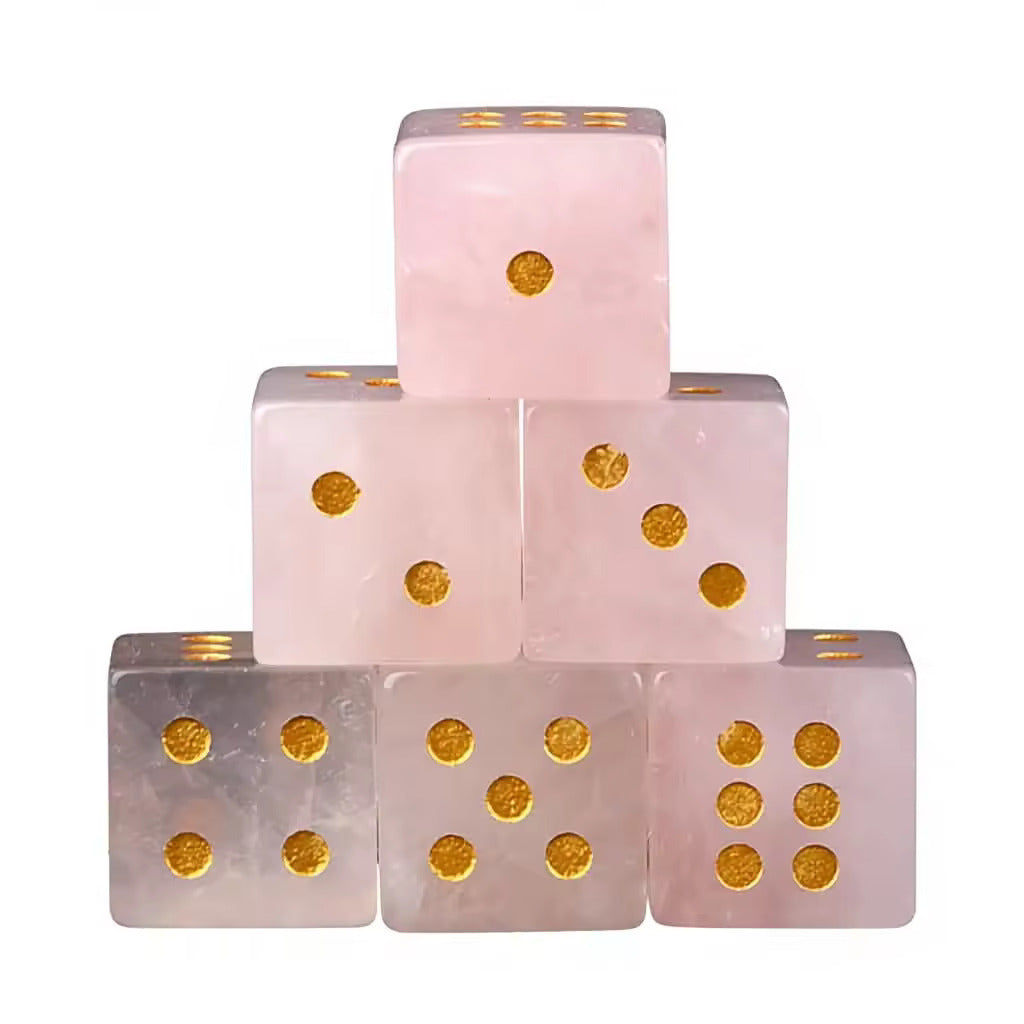
Dice | Determines starting player and starting position | Usually included in tile sets |
🀄 Shop best-selling mahjong sets →
What do Georgia teachers focus on in the first week?
Most instructors start with tile recognition—learning the three suits (Bams, Craks, Dots), winds (North, East, West, South), dragons, and flowers. Then they explain the Charleston: the three-pass tile exchange at the start of each game that looks chaotic but follows strict rules. Next comes reading the League card to spot a single legal hand pattern. By week two, you learn to build a pung (three identical tiles), kong (four identical), and spot joker placement rules—jokers can never be used in a single tile or pair in American mahjong. Your teacher will likely drill hand examples on paper before you play a full game. Expect to lose your first five games. That's normal; even experienced players miscount or misread the card. Georgia teachers value patience over speed.

How do you practice between lessons if no group meets near you?
Download a free League card (current year) and study one hand pattern per day—just read the notation, don't play. Watch one YouTube tutorial on the Charleston and tile-passing rules. Order a complete tile set and mat so you can physically handle tiles instead of staring at screen images. Shuffle and deal 13 tiles to yourself, then try to match them to a hand on the card; repeat five times. Join a Zoom game with a teacher or player (search Facebook mahjong groups for Georgia players who host online). Call a Georgia mahjong group and ask if anyone will play one-on-one by phone over the tile mat while you play at home. Self-teaching American mahjong works if you have a physical set and a learning partner, even remote.
✨ Find your Mahstead set — free US shipping →
Why do some Georgia groups teach American mahjong but others teach Chinese?
American mahjong uses the current year's National Mah Jongg League card and has a strict rule set: only four identical tiles per type, no "chows" (sequences like 1-2-3), no exposing pairs except in your hand, and no scoring without the League card. Chinese mahjong has no annual card, allows sequences, and uses a different point system. Most U.S. groups, especially in Georgia's older suburban and Jewish communities, play American by default. Asian-American communities or younger players sometimes prefer Hong Kong or Taiwanese variants. Ask your local instructor which variant they teach before signing up; switching is confusing in week one. For American mahjong rules, our full beginner guide walks you through every rule without variant confusion.
What to check before you buy a set
Tile size and weight: American standard is 1.25 inches wide, about 0.5 inches tall. Heavier acrylic tiles (vs. plastic) feel premium and last decades.
Joker count: A 160-tile set includes 152 playing tiles plus spare jokers; never add spares to play—only use the 152 + 8 jokers at the table.
Rack fit: Confirm your tiles fit your chosen racks before ordering both separately.
Shipping time: Mahstead ships free across the U.S., so order early enough for a few practice weeks before your first lesson.
Card access: Have the current year's League card printed and at the table before day one.
🎁 See our most-loved mahjong sets & accessories →
FAQ
Can I teach myself American mahjong without a teacher in Georgia?
Yes, if you have a tile set, the current League card, and one experienced player willing to answer questions by phone or video. Self-taught players usually reach basic competence in 10–15 games. A teacher shortens this to 3–5 games and corrects small errors that are hard to spot alone.
Are there mahjong clubs in Atlanta specifically?
Yes, but they're not listed as formal businesses. Call your neighborhood senior center, library, or country club. Meetup.com has Atlanta mahjong groups; verify they're active before traveling. Facebook groups for Atlanta mahjong players often coordinate weekly games.
What if I live in rural Georgia with no nearby teacher or group?
Order a tile set and mat, find a teaching video on YouTube (search "American mahjong rules for beginners"), join an online Zoom game through a Facebook group, or hire a Georgia player for a private Zoom lesson. Remote play works if both players have a physical set.
Is American mahjong the same as what my grandmother played in China?
No. Chinese, Hong Kong, and Taiwanese mahjong use sequences (chows), different scoring, and no annual rule card. American mahjong (based on a 1920s Shanghai variant) forbids sequences and relies entirely on the National Mah Jongg League card. Ask your teacher which variant Georgia groups play before assuming.
How do I know if a Georgia teacher is teaching the rules correctly?
They should reference the current year's National Mah Jongg League card for all hand patterns and explain why jokers cannot be used in a single tile or pair. They should teach the Charleston as a three-pass tile exchange, not a free-for-all grab. If a teacher allows sequences (1-2-3) or plays without the League card, they're teaching a different variant.
What's the easiest way to find a mahjong game in Georgia if I'm new?
Call your county Parks & Recreation department or the nearest senior center and ask, "Do you have mahjong?" If yes, ask the day, time, and whether beginners can join. If no, ask if they know where players gather. This direct approach beats online searching 80% of the time.


View More
View More
View More
