
Mahjong Racks With or Without Pushers: How to Choose
Last updated: Nov 23, 2026
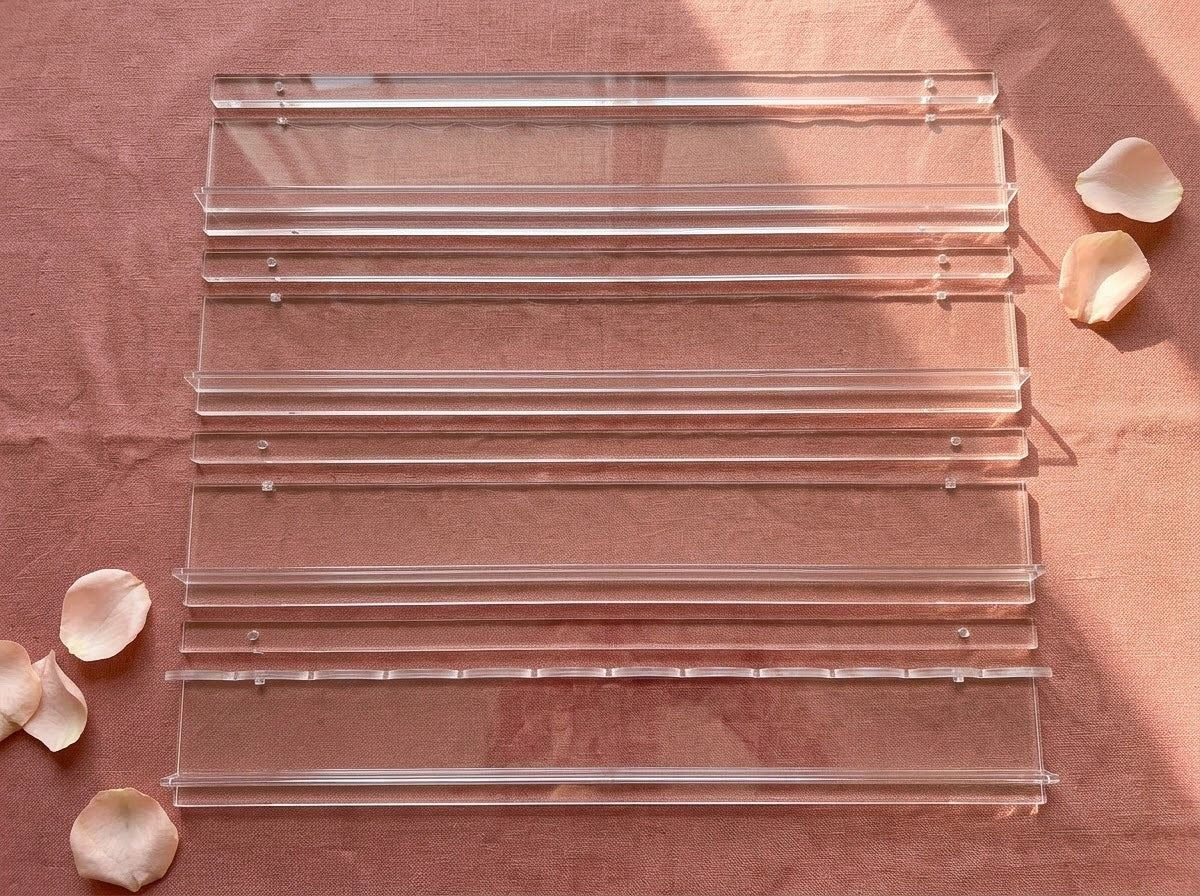
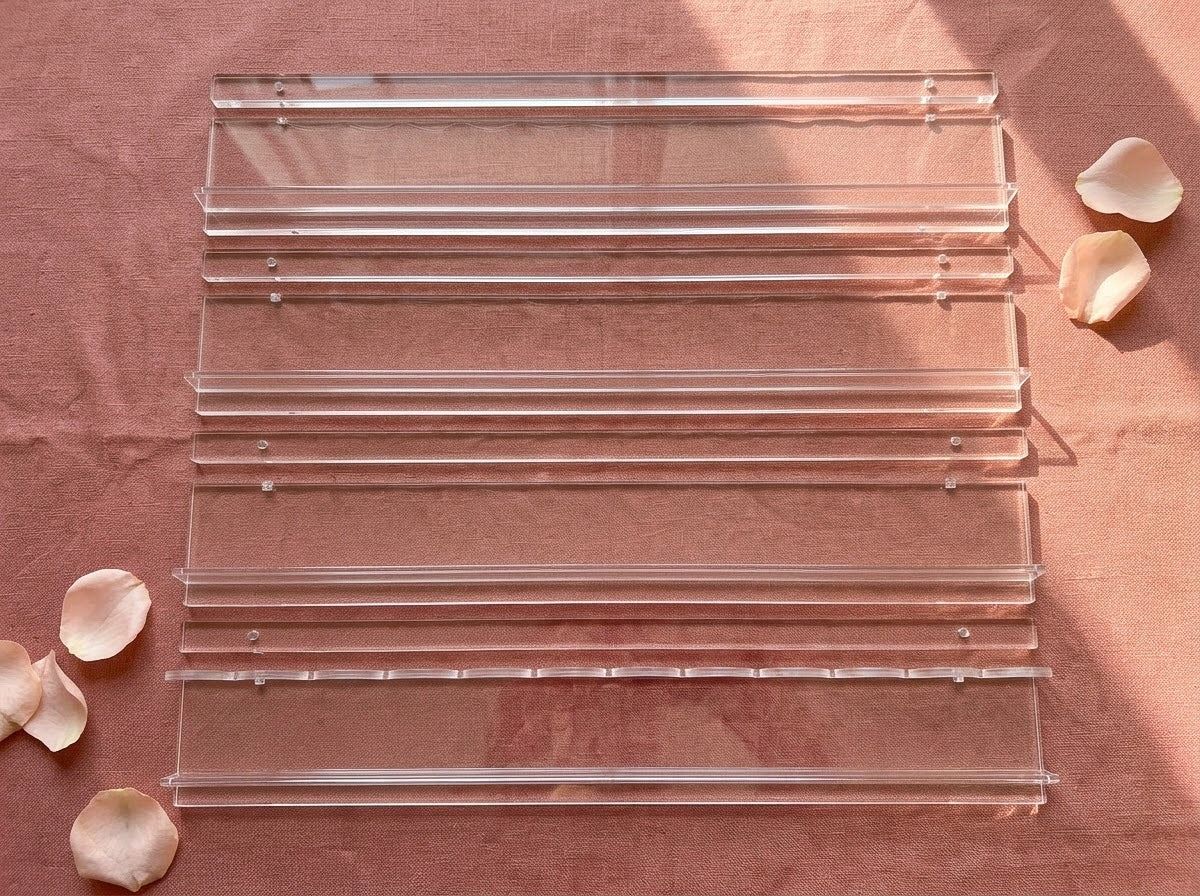
A mahjong rack is a wooden or acrylic holder that keeps your 13 tiles upright and hidden from opponents during play. Mahjong racks with pushers include a small lever that nudges tiles forward as you draw, reducing hand fatigue and keeping your wall clean. Racks without pushers are simpler: you position tiles by hand. Both hold a full hand of 13 tiles plus one drawn tile. Cost varies by material and finish (wood, bamboo, acrylic, engraved options available through Mahstead). Pushers suit players with arthritis, limited hand strength, or anyone hosting long weekly games; non-pusher racks work for casual players, travel, or those who prefer minimal equipment. Check the rack's internal width (must fit your tile size—American tiles are thicker than Chinese), and confirm it ships with a protective case or padding if you order online.
Why do pusher racks make a difference for regular players?
A pusher rack has a small mechanical lever at the base. As you draw a tile from your wall, you press the lever and it gently advances your entire hand forward, creating space for the new tile on the right end. This single motion eliminates the repetitive hand-shuffling needed in non-pusher racks—especially valuable during a four-hour Friday night game or if you have wrist pain or limited grip strength. Many of us noticed our hands ached less after switching to pushers during our weekly sessions.
Who actually needs a pusher, and who doesn't?
Player Type | Pusher Worth It? | Why | Typical Setup |
Weekly host | Yes | Games last 3–4 hours; prevents fatigue | Full set of four pusher racks + mat |
Casual player (monthly) | No | Short sessions; hand movement minimal | One or two non-pusher racks |
Player with arthritis/RSI | Yes | Pusher reduces gripping and fine motor work | One or more pushers depending on comfort |
Travel player | No | Weight and bulk; ease of packing matters | Lightweight non-pusher rack or none |
New to mahjong | Either | Pushers help learning focus stay on tiles, not hand management | Start with non-pusher; upgrade later |
The honest answer: if you play once a month casually, a non-pusher rack is fine and costs less. If you host weekly games or play competitively, pushers pay for themselves in comfort and cleaner tile display within one season.
What's the difference between wood and acrylic racks?
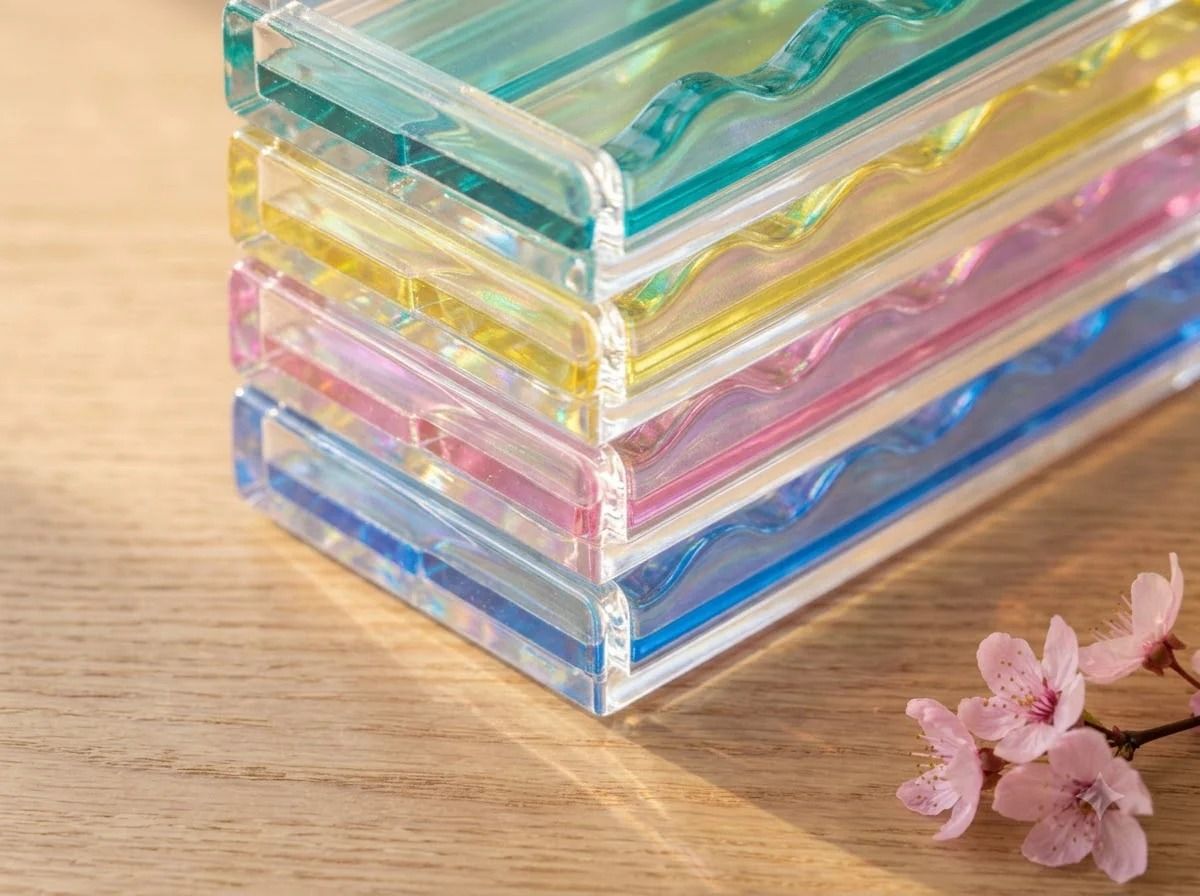
Wooden racks (bamboo or solid wood) are traditional, durable, and feel premium. They don't show dust as visibly and age gracefully. Acrylic racks are lighter, easier to wipe clean, and often easier to engrave with player names or team logos. Both work equally well mechanically; the choice is aesthetic and shipping weight. If you're buying a full engraved set from Mahstead, matching acrylic racks create a cohesive table look. Wooden racks pair well with classic decor. Neither requires special maintenance—just avoid prolonged heat or direct sunlight, which can warp or fade.
🀄 Shop best-selling mahjong sets →
How do you actually use a pusher, and what common mistakes happen?
Step-by-step with a pusher:
Load 13 tiles into the rack, facing you, from left to right (lowest to highest or your preference).
Press the lever slowly as you pick your 14th tile from your wall.
The lever advances all tiles one space; your drawn tile now sits on the right.
When you discard, remove the leftmost tile and press the lever once more.
Common mistakes:
Pressing the lever too hard or fast—it's a gentle nudge, not a shove; rushing can misalign tiles.
Overloading the rack (more than 14 tiles total)—the mechanism jams.
Mixing tile sizes—American tiles (thicker) get stuck in racks designed for Chinese tiles (thinner).
Forgetting to press before drawing—you end up with 15 tiles in hand, which breaks the game.
We've seen new players jam a pusher by forcing tiles in sideways. The fix: always insert tiles straight and let the mechanism do the work.

What should you check before ordering racks online?
Before checkout:
Tile size compatibility: American mahjong tiles are roughly 30mm × 21mm. Check the rack's interior width (usually listed in product specs or ask via email). Chinese tiles are narrower and will rattle in an American-sized rack.
Pusher mechanism type: Lever or slider? Both work; lever is more common. Test videos or photos help confirm smooth action.
Material and weight: If you travel, acrylic weighs less. If you want heirloom durability, solid wood or bamboo is better.
Case or padding included: Does it ship protected? Cracked racks during delivery are frustrating. Mahstead packs items securely; confirm your order includes protective wrapping if you're ordering a full set of four.
Quantity needed: A four-player game requires exactly four racks (one per player). Many buyers forget to order the full set and return mid-week to order more.
Engraving lead time: Custom engraved racks take longer. If hosting a tournament next month, order early or choose non-engraved options.
Check the product page details, and don't hesitate to reach out with your tile dimensions if unsure.
Which collections match your rack choice?
If you're buying racks, you're likely building a complete hosting setup. A non-pusher rack pairs well with travel-focused gear: a compact mahjong mat and lightweight bag for portability. Pusher racks suit permanent setups—pair them with a larger mat and best-selling engraved tile sets that reflect your group's style. If you're gifting racks to a group, Christmas or themed mahjong sets with matching rack aesthetics create a polished gift package.
🎁 See our most-loved mahjong sets & accessories →
What's the real cost difference, and is it worth it?
Pusher racks cost more than non-pusher models because of the mechanical component and tighter tolerances. Exact pricing varies by material and customization—see current price on each product page. Most of us find pushers worth the extra investment if we play weekly; the comfort gain over two years of games justifies the upfront cost. If you're a casual player or uncertain, start with one non-pusher rack to learn the game, then upgrade to pushers once you're sure you'll keep playing. Buying four pushers at once (for a full game table) often makes the per-unit cost more reasonable than buying one at a time.
✨ Find your Mahstead set — free US shipping →
FAQ
Can I use a pusher rack for Chinese or Hong Kong mahjong?
Technically yes, but it's not ideal. Chinese and Hong Kong tiles are smaller and narrower than American tiles, so they may rattle or slip in an American-sized pusher rack. If you play both styles, buy racks sized for each game—don't try to force different tiles into one rack.
Do I really need four racks, one per player?
Yes. Each of the four players holds their own 13-tile hand in their own rack. A four-player game requires four racks. If you're hosting and only have two, you'll need to order two more—don't try to improvise or share.
How do I know if my rack's pusher is broken or just stiff?
A new pusher may feel slightly firm until you use it 5–10 times; the mechanism loosens naturally. If it jams, won't move, or tiles don't advance evenly after 20 uses, the mechanism is likely defective. Contact Mahstead with photos before using it heavily; defects are usually caught during quality checks before shipping.
Can I engrave a pusher rack after I buy it, or do I need to order it engraved?
Custom engraving is best done before shipment, as the process requires precision and curing time. Engraving after delivery is possible but risky—it may damage the pusher mechanism or the finish. Order engraved from the start if you want personalization.
What's the best way to pack racks for travel if I only have one or two?
Wrap each rack individually in bubble wrap or foam, then place in a rigid box or padded mahjong travel case. Never stack racks without cushioning—the lever or tiles can crack. If you travel often, a protective case is worth the investment.
Do non-pusher racks ever wear out, or do they last forever?
Non-pusher racks are just wood or acrylic with no moving parts, so they last decades with normal care. Avoid dropping them or exposing them to extreme heat or moisture. A well-maintained non-pusher rack can outlive you; pusher racks also last 10+ years if the lever is used gently and not forced.


View More
View More
View More
