
Mahjong Racks Under 100: Your Smart Buyer's Guide
Last updated: Nov 23, 2026
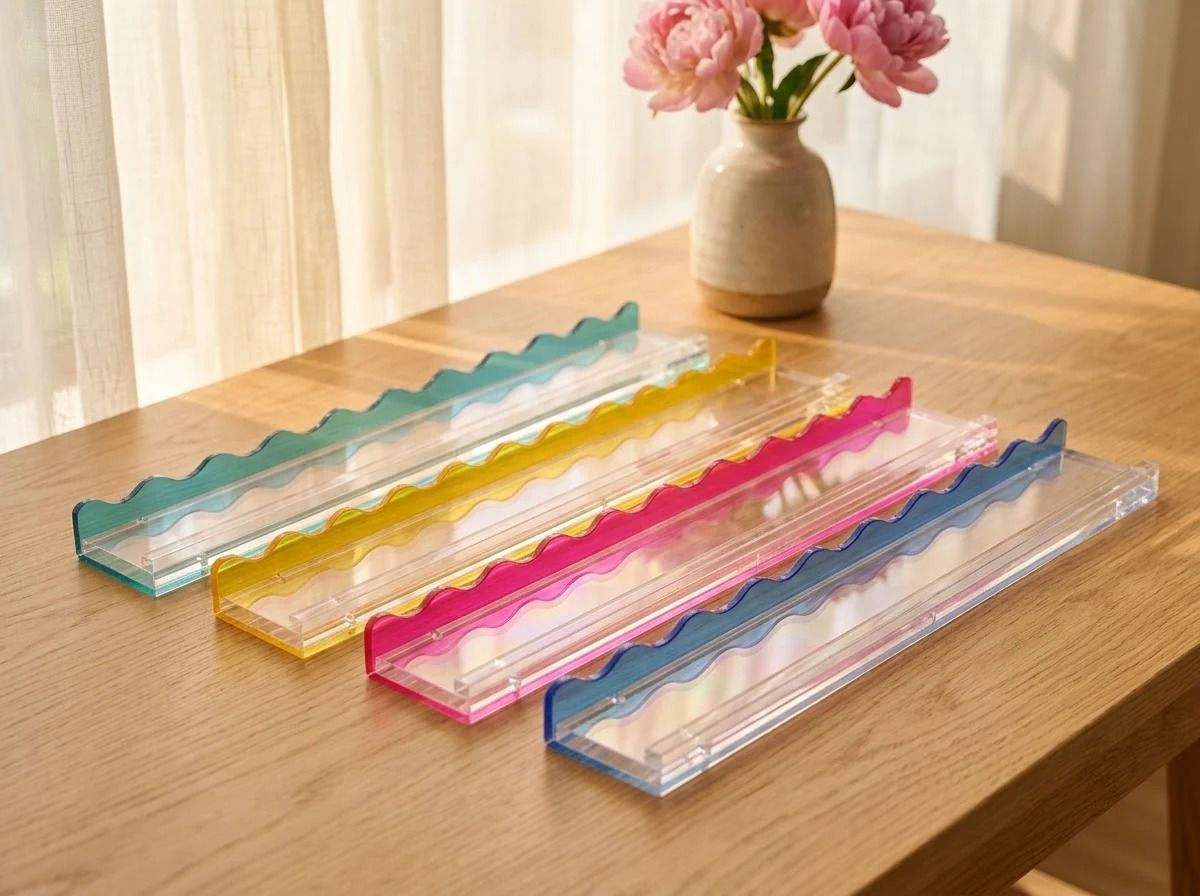
A mahjong rack holds 13–14 tiles vertically while you play, keeping them hidden from other players and organized on your side of the mat. Most American players use acrylic racks with pushers—small handles that let you manipulate tiles without touching them directly. Budget-conscious buyers have two main paths: buy racks bundled with a complete mahjong set (which often includes mats, pushers, and a bag), or purchase standalone racks with pushers separately. Acrylic racks are durable, clear, and won't chip as easily as bamboo or plastic alternatives. When evaluating options, focus on height (taller racks prevent tile slipping), pusher fit (they should slide smoothly without binding), and whether the set includes a carrying bag. Mahstead offers acrylic racks paired with complete tile sets and mats, bundled to give you everything you need for weekly games without overspending.
What's the difference between a rack and a pusher?
A rack is the vertical holder where your 13 tiles stand upright. A pusher is a small handle you use to slide individual tiles along the rack's grooves without touching them—this keeps your hands clean and prevents accidental table exposure. Some players push tiles by hand; others find pushers essential for speed and accuracy during hand-switching and discard cycles. Think of pushers as optional comfort tools for serious players; beginners work fine without them. If you're hosting weekly games and want everyone playing at the same pace, providing racks with matching pushers creates a more professional, faster game experience.
🀄 Shop best-selling mahjong sets →
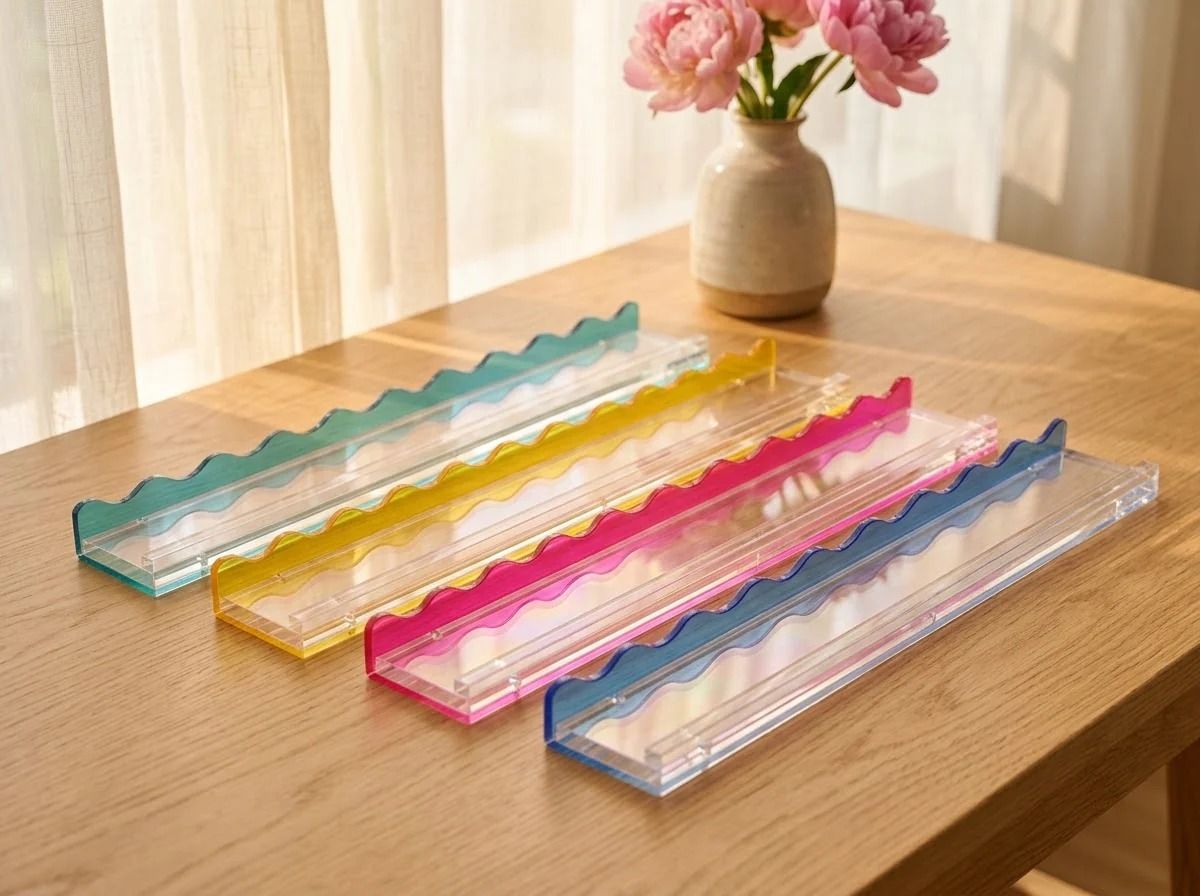
How tall should your rack be to prevent tiles from sliding out?
Standard American mahjong tiles measure about 1⅛ inches wide and 1½ inches tall. A rack should be 2–2.25 inches high to hold tiles securely without them tipping forward during hand switching or bumping the mat. Shorter racks (under 1.75 inches) tend to let corner tiles slip when you lean over or bump the table; taller racks (over 2.5 inches) create a steep angle that can strain your wrist during tile selection. Mid-range acrylic racks sold with best-selling mahjong sets meet the 2–2.2-inch standard. When you receive your set, place all 13 tiles in one rack and tip it gently toward you; tiles should resist sliding. If any move, the height is too shallow or the grooves are worn—this is rare with new acrylic racks but common in used bamboo models.
Should you buy racks separately or as part of a complete set?
Option | Who It's For | Value | Tradeoff |
Bundled with set + mat + bag | New players, groups buying together, weekly hosts | Lowest per-piece cost; all components match; ready to play | Less choice in rack style or pusher design |
Racks + pushers standalone | Experienced players replacing worn racks, collectors | Upgrade just what you need; pick exact aesthetics | Higher per-item price; you supply your own set |
Mix: new set + extra racks | Players hosting 2+ tables, upgrading mid-game | Full control; backup racks if one cracks; host like a pro | Highest total spend; requires separate purchase timing |
Most of our weekly players buy one complete set with racks, mat, and case and then add a second pair of racks within a year if they're hosting multiple tables. Racks last through hundreds of games if acrylic; bamboo or wood racks absorb humidity and warp over 2–3 years of weekly play. For your first game, bundled is smarter. For your fifth year, standalone racks are cost-effective backups.
🎁 See our most-loved mahjong sets & accessories →
What to check before you buy a mahjong rack
1. Material: Acrylic is best for durability, clarity, and moisture resistance. Plastic cracks under pressure; bamboo warps in humid rooms.
2. Pusher fit: Ask the seller or check product images—pushers should glide smoothly without rattling or sticking. Bad fit = frustration mid-game.
3. Groove depth: Shallow grooves let tiles lean too far forward. Depth should match tile thickness (roughly 0.3 inches for standard tiles).
4. Carrying bag included: A mat-sized or dedicated mahjong bag protects your racks and tiles during transport. Many sets include one; standalone racks rarely do.
5. Set size: Standard American mahjong uses exactly 152 playing tiles. A complete 160-tile acrylic set includes spare tiles for replacements. Confirm the set you're buying includes 4 racks + pushers, a mat, and at least one bag.
6. Engraving or customization: Mahstead offers engraved tiles with names, dates, or club logos on many racks and sets. If you're a regular group, a personalized set makes hosting feel official and marks your gear if you travel.
Check the product page for images showing a full tile lineup in the rack; tiles should stand at a consistent angle, not splayed or bunched.
How many racks do you really need?
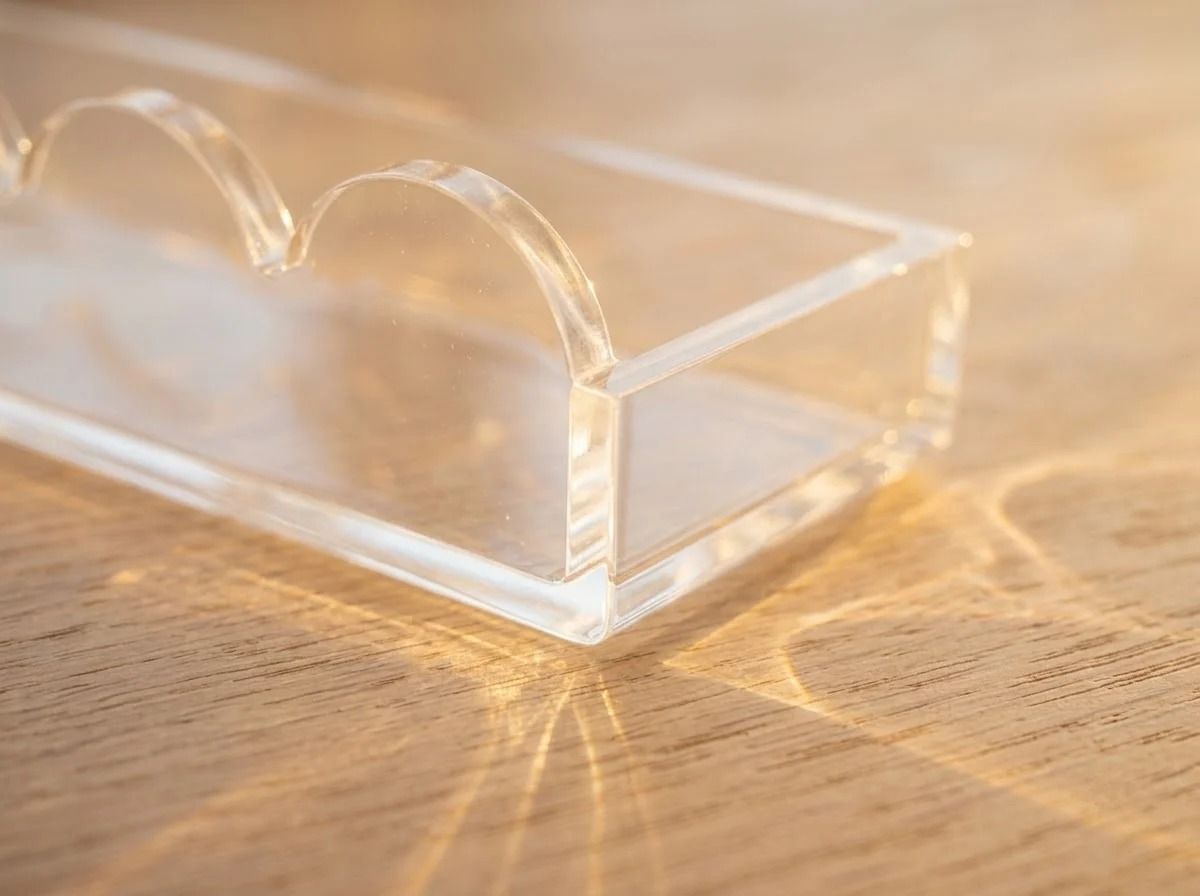
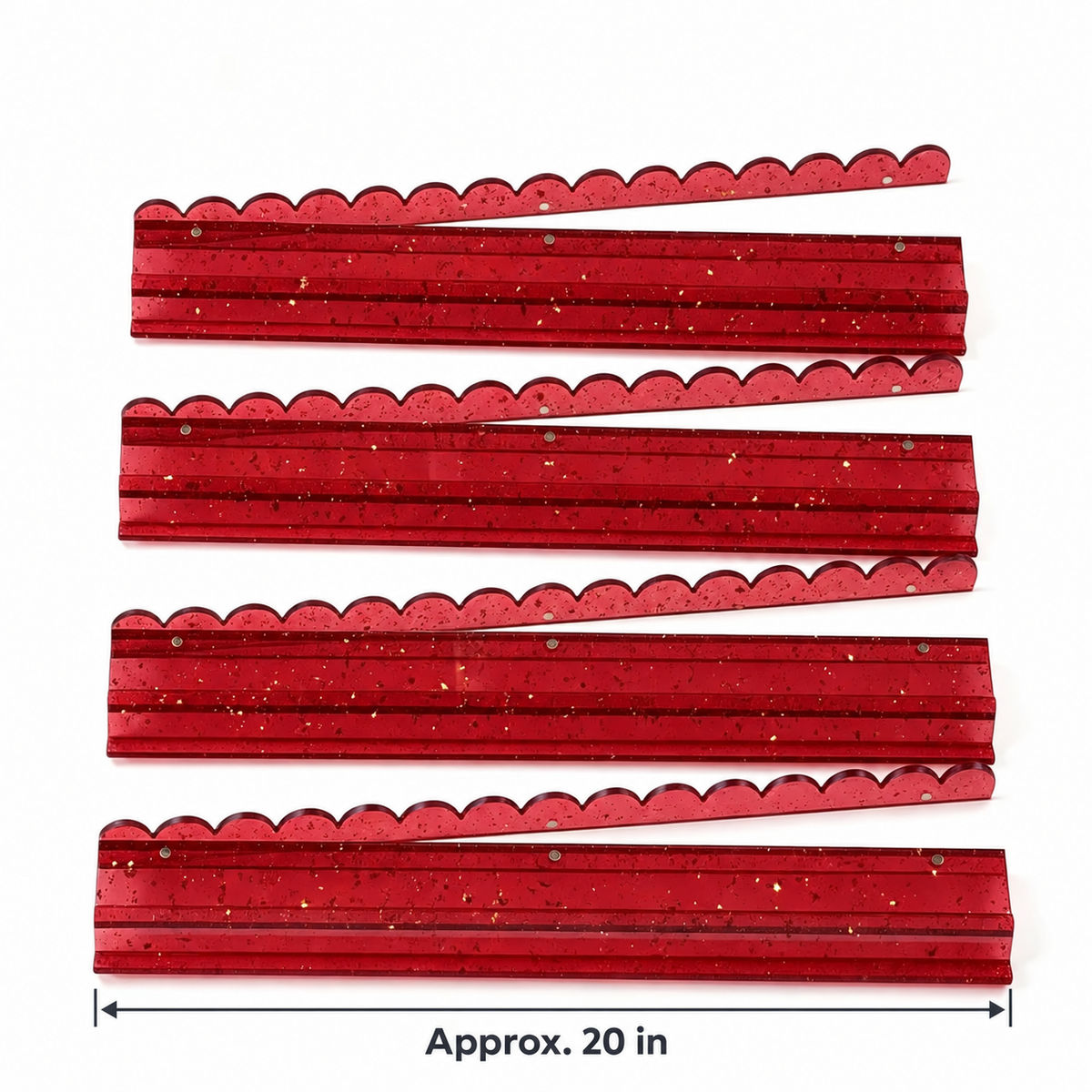
Four racks are standard (one per player in a game). If you host weekly and want a backup pair, buy a set that includes 4 racks plus an extra pair of standalone racks or a second set. If you're playing solo practice or with a friend, 2–3 racks suffice. Many players keep a 5th rack as a spare after years of weekly games—acrylic racks don't break often, but table impacts, drops, or dishwasher damage do happen.
For hosting multiple simultaneous games (two tables of four), buy two complete sets with racks and mats. Sharing a single set between tables slows play and risks confusion. Two best-selling sets ensure every player has their own rack at the right height and every table has a regulation mat.
✨ Find your Mahstead set — free US shipping →
What's the best way to store and care for racks?
Keep racks in a dry room away from direct sunlight (UV can yellow acrylic over time). Store them upright or lying flat in their original bag or a padded mahjong travel case. Avoid stacking heavy objects on top of racks; acrylic can crack under sustained pressure.
Clean racks and pushers with a soft, damp cloth and mild soap. Don't use abrasive sponges or bleach—they scratch acrylic. If a pusher gets stuck, a light coating of food-grade silicone spray (like the kind used on cabinet drawers) helps it glide again; wipe off excess.
After every 50 games or if you notice tiles tilting, inspect groove wear. New racks are smooth; aged ones may develop micro-scratches that catch tile edges. This is cosmetic and doesn't affect play, but it signals the rack is reaching mid-life. Most acrylic racks stay functional for 200+ games.
Real-world example: hosting your first game
You want to invite four friends over for weekly mahjong. You've never played, and your budget is flexible but reasonable. Step 1: Buy one complete acrylic mahjong set with racks, pushers, mat, and carrying bag. This gives you everything—152 tiles, 4 racks, a mat, and a bag. Step 2: Unpack the racks and pushers. Set one rack on a flat surface and carefully load 13 tiles. Test the pusher: it should slide smoothly. If it binds, contact the seller before your game. Step 3: Place the mat on your table, position the four racks one on each side (North, East, South, West), and arrange the tiles in the center following the Charleston ritual. Step 4: After your first game, store everything in the bag. Racks are now ready for week two.
If your group grows to 8 players (two tables), buy a second set. Two complete racks, two mats, and two bags mean both tables play at the same pace and everyone has matching, clear tile holders.
What else should you pair with your racks?
Racks work best with a regulation mahjong mat (defines the four player zones and protects your table), acrylic tiles with clear engravings (easier to read than faded prints), and a sturdy carrying bag or case (protects everything during transport). For hosting, consider wooden or acrylic dice and a copy of the current National Mah Jongg League card (required for American mahjong play). All of these are bundled in our best-selling collections at prices that keep your total cost reasonable.
FAQ
Can I use bamboo racks instead of acrylic to save money?
Bamboo looks traditional but absorbs humidity, warps after 2–3 years of weekly play, and cracks under pressure. Acrylic costs slightly more upfront but lasts 200+ games without maintenance. For under-100 shopping, acrylic is the real bargain long-term.
Do pushers come with every rack?
Not always. Many complete sets include racks and pushers; standalone racks often don't. Check the product description before buying. If your set doesn't include pushers, you can order them separately or play without them—many casual players do.
How do I know if my racks are the right height?
Load all 13 tiles into one rack and tip it gently toward you at a 15-degree angle. Tiles should resist sliding. If even one tile moves, the rack is too shallow. Standard height is 2–2.25 inches; anything under 1.75 inches is risky for serious play.
What's the difference between a "set with racks" and a "complete set"?
A "complete set" includes tiles, racks, pushers, a mat, and usually a carrying bag. A "set with racks" means racks are explicitly included, but may not include mats or bags. Always check the product details before ordering.
Can I wash my racks in the dishwasher?
No. Hand-wash racks and pushers with warm soapy water and a soft cloth. Dishwasher heat can warp acrylic or loosen pusher joints. Air-dry completely before packing them away.
How many spare tiles should I keep with my racks?
American mahjong uses exactly 152 tiles in play. A 160-tile set includes 8 spare tiles for replacements if one cracks or gets lost. Keep spares in a small bag with your racks. After 100 games, you'll likely never need them—acrylic tiles don't chip often.


View More
View More
View More
