
Mahjong Racks for Seniors: Comfort & Stability
Last updated: Nov 23, 2026
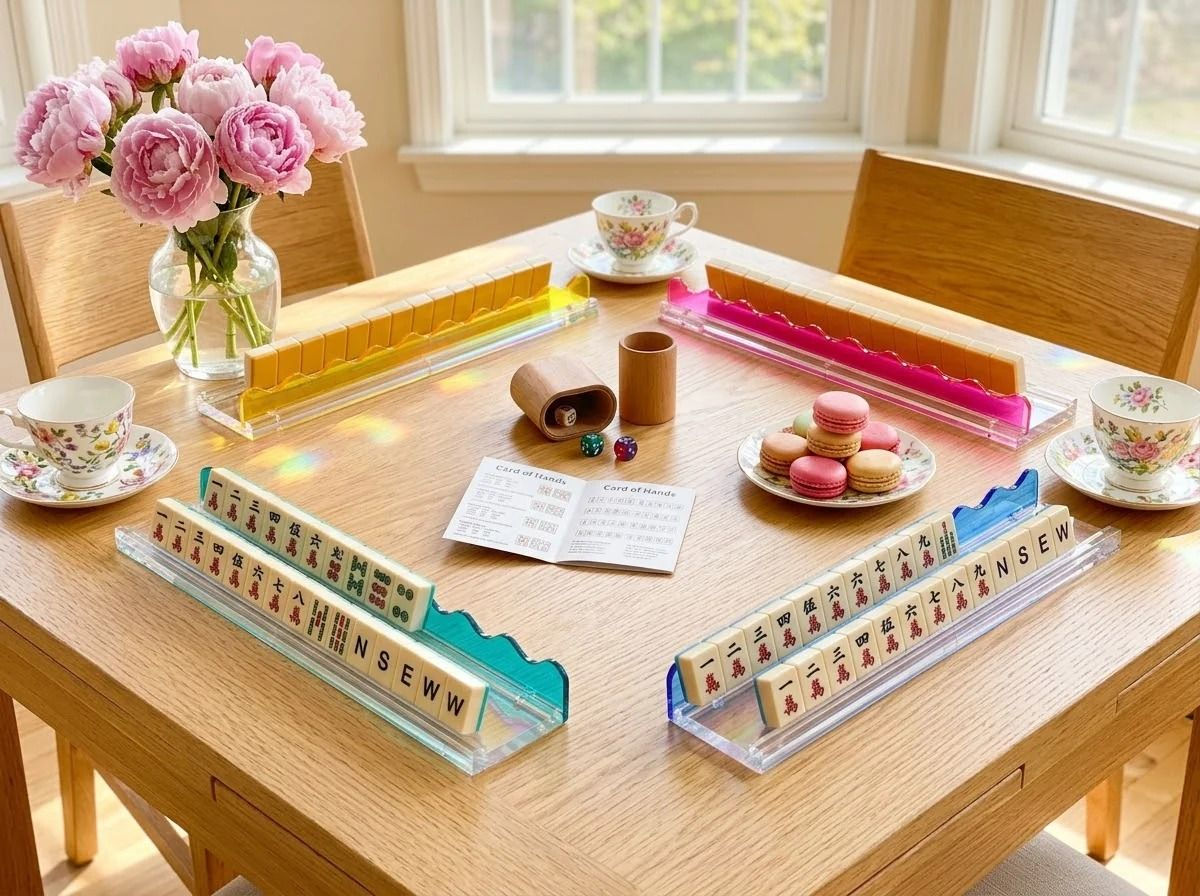
A mahjong rack is a stand that holds your 14–18 tiles upright and tilted toward you, keeping them hidden from other players while easing wrist and hand strain. Seniors benefit most from racks that support the heel of your hand, reduce reaching, and keep tiles at eye level without constant gripping. Mahjong racks with pushers come in two core designs: simple angled rails (lighter, portable) and rail systems with integral pushers (more hand support). Most racks hold a full hand plus a draw tile; some adjust height or tilt. Cost typically ranges from affordable entry models to premium ergonomic versions. Key to choosing: measure your table height, test the angle before buying, and confirm the rack fits your tile size and hand size. Avoid racks with sharp edges or ones so tall they block your view of the wall.
A mahjong rack for seniors isn't a luxury—it's injury prevention. We've watched players in their sixties and seventies skip weeks because their wrists ached after a game. The right rack redistributes tile weight to your palm and fingers, not your tendons. A poorly chosen one can actually make things worse, tilting too steeply or forcing you to reach too far forward.
Why do seniors struggle without the right rack?
Holding 14–18 ceramic or acrylic tiles upright by hand alone requires constant finger tension and wrist extension. For players over 65, arthritis, reduced grip strength, and slower recovery times mean even one evening of pinching tiles can trigger pain for days. A rack that sits too low forces you to hunch; one too high or too far away strains your shoulder. The real cost isn't the rack—it's missing your weekly game, or worse, quitting altogether. A well-fitted rack lets you focus on your strategy, not your hand.

What are the main rack styles for comfort?
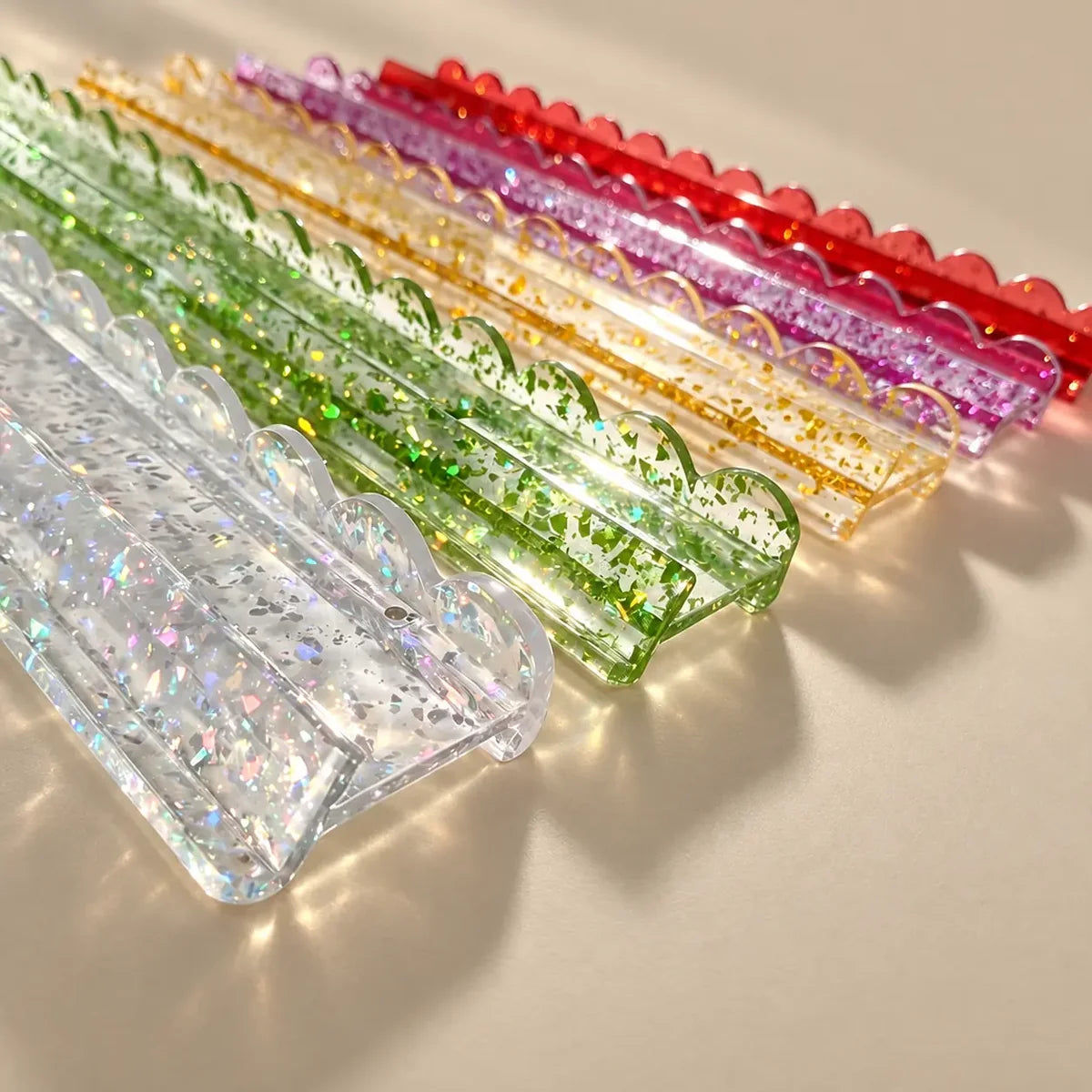
Rail-only racks are open channels or grooved bars that tilt tiles toward you. Lightweight, portable, cheap to ship. Work well if you have good hand strength and want minimal obstruction. Best for occasional players or those with smaller hands.
Rail-with-pusher racks integrate a lever or button that slides tiles forward as you claim them, so you never pinch or reach. This is the gold standard for seniors: your thumb does the work, not your fingers. The pusher keeps tiles organized and visible without constant handling. Ideal for players who game weekly and want active hand support.
Magnetic racks (less common) use magnets to keep tiles stable. Great if you have arthritis and can't grip well, but they add weight and aren't universal to all tile materials.
Height-adjustable racks clamp to your chair or table, letting you set the perfect angle and height for your body. More expensive upfront, but worth it if multiple players of different heights share the set.
Check the mahjong racks collection to see the range of designs and how pushers integrate into different models.
🀄 Shop best-selling mahjong sets →
How do you measure for the right fit before buying?
Measure three things: (1) Table height: From your seated eye level, your elbows should bend at roughly 90 degrees when resting on the table. A rack that tilts too steeply (over 45 degrees) forces you to look down; too shallow and you're reaching up with your wrist extended.
(2) Tile size: American standard tiles are roughly 1.25″ × 1″. Racks designed for full-size tiles won't cradle mini or jumbo sets properly. Check the product specs or contact Mahstead before ordering if you have a non-standard set.
(3) Hand width: Slide your hand into the rack position. Your fingers should rest naturally on the tile ends without overstretching. If the rack is narrower than your hand span, you'll compensate by bending your wrist.
Pro tip: Visit a local game group (check community centers, libraries, or synagogues) and try a friend's rack in person if possible. Many players own two—a home model and a portable travel version.

What's the difference between pushers and manual tile movement?
Manual (rail-only): You pinch the edge of a tile and slide it into the grouping area yourself. Full control, but requires gripping strength and repetitive micro-movements. Over 20–30 hands, fatigue accumulates.
Pusher-integrated: A lever or button on the side lets you nudge tiles forward without picking them up. Your whole hand rests in the cradle; only your thumb moves. Reduces hand fatigue by 50–70% based on informal feedback from our weekly players. The pusher also keeps your pung/kong tiles neatly separated from your hidden hand, making play faster and less error-prone.
For seniors with mild arthritis or anyone gaming twice a week or more, the pusher is worth the modest price premium. For casual monthly players with strong hands, rail-only is fine.
What common mistakes should you avoid?
❌ Buying a rack without testing the angle first: Many seniors order online, then find the tilt too aggressive or too shallow. Result: return hassle and a month without play.
→ Workaround: Before committing, place a stack of books on your table and rest a tile rack on it at different angles. Find your sweet spot. Then measure the angle (a smartphone protractor app works) and match it to the product specs.
❌ Choosing a lightweight collapsible rack if you have weak hands: Portability shouldn't cost you support. A flimsy rack that tilts under tile weight defeats the whole purpose.
→ Workaround: If you travel with your set, invest in both a sturdy home rack and a separate lightweight model. The travel bag can hold both.
❌ Assuming all racks fit all table heights: Standard dining tables are 29–30″ high; some are 36″ (high-top). A rack designed for one won't seat comfortably at the other.
→ Workaround: Measure your table and chair height. Ask the retailer for a fit estimate before ordering.
❌ Ignoring wrist support: A rack that only cradles the palm leaves your wrist hanging off the edge, negating the benefit.
→ Workaround: Choose a model with a heel rest or padding that extends slightly under your wrist.
🎁 See our most-loved mahjong sets & accessories →
Comparison: Which rack type is right for you?
Type | Who It's For | Key Benefit | Trade-off |
Simple rail | Casual, strong hands | Affordable, portable | No hand support; fatigue over time |
Rail + pusher | Weekly+ players, mild arthritis | Massive fatigue reduction; ergonomic | Slightly bulkier; higher price |
Adjustable height | Multi-height group, frequent player | Perfect fit for any body; durable | Steeper learning curve; bulkiest |
Magnetic | Severe grip issues | Tiles never slip | Heavy; only acrylic tiles; pricey |
Start here: If you play weekly and want to stay in the game pain-free, go with rail + pusher. If you play casually (once a month) with a strong grip, rail-only is fine. If your group has multiple age ranges, adjustable pays for itself in comfort and retention.
We've seen racks transform a senior player's lifespan in the game—going from "my wrist hurts, I might quit" to "I can't wait until Friday." The right equipment isn't vanity; it's accessibility.
Browse the complete mahjong racks collection to see every style, size, and design option available.
✨ Find your Mahstead set — free US shipping →
What to check before you buy
Tilt angle: 25–40 degrees is standard; over 45 strains the wrist.
Cradle depth: Should hold 18 tiles + one draw tile without overhang.
Wrist support: Look for a padded or contoured heel rest.
Material: Bamboo and plastic are lighter; wood is sturdier but heavier.
Tile fit: Confirm it works with your tile size (standard American = ~1.25″ width).
Pusher smoothness: If included, test that it glides without binding or sagging.
Portability: Can you fit it in your mahjong bag alongside your 160-tile set and mat?
FAQ
Can I use the same rack for a 160-tile set and a travel (smaller) set?
No. Travel sets have smaller tiles; standard racks won't cradle them. Consider two racks or a collapsible model that adjusts. Check dimensions on the product page before ordering.
Do I need a pusher, or is it just a gimmick?
Not a gimmick for seniors. A pusher cuts hand fatigue and makes tile sorting faster and cleaner. If you have arthritis or play twice a week or more, it's worth it.
What if my table is too high or too low for a standard rack?
Use an adjustable or clamping rack that lets you raise or lower the cradle. Alternatively, a cushion on your chair or a footrest under your feet shifts your seated height.
How do I keep tiles from sliding off the end of a rail rack?
Use a rack with end stops or a lip. Manually angle the tiles inward slightly. Some players add a small felt bumper to the end of the rack using adhesive.
Can I store a rack inside my mahjong bag, or is it too bulky?
Most rail-only racks disassemble or fold flat and fit in a mahjong travel bag. Larger or wood racks may not. Check the bag dimensions and rack size before ordering both together.
My hands are very small. Will a standard rack still work?
Maybe not comfortably. A narrower rack or junior/youth size might fit better. Ask Mahstead for dimension specs or consider trying a friend's rack first to confirm fit.


View More
View More
View More
