
Mahjong Classes for Beginners in San Francisco
Last updated: Nov 23, 2026
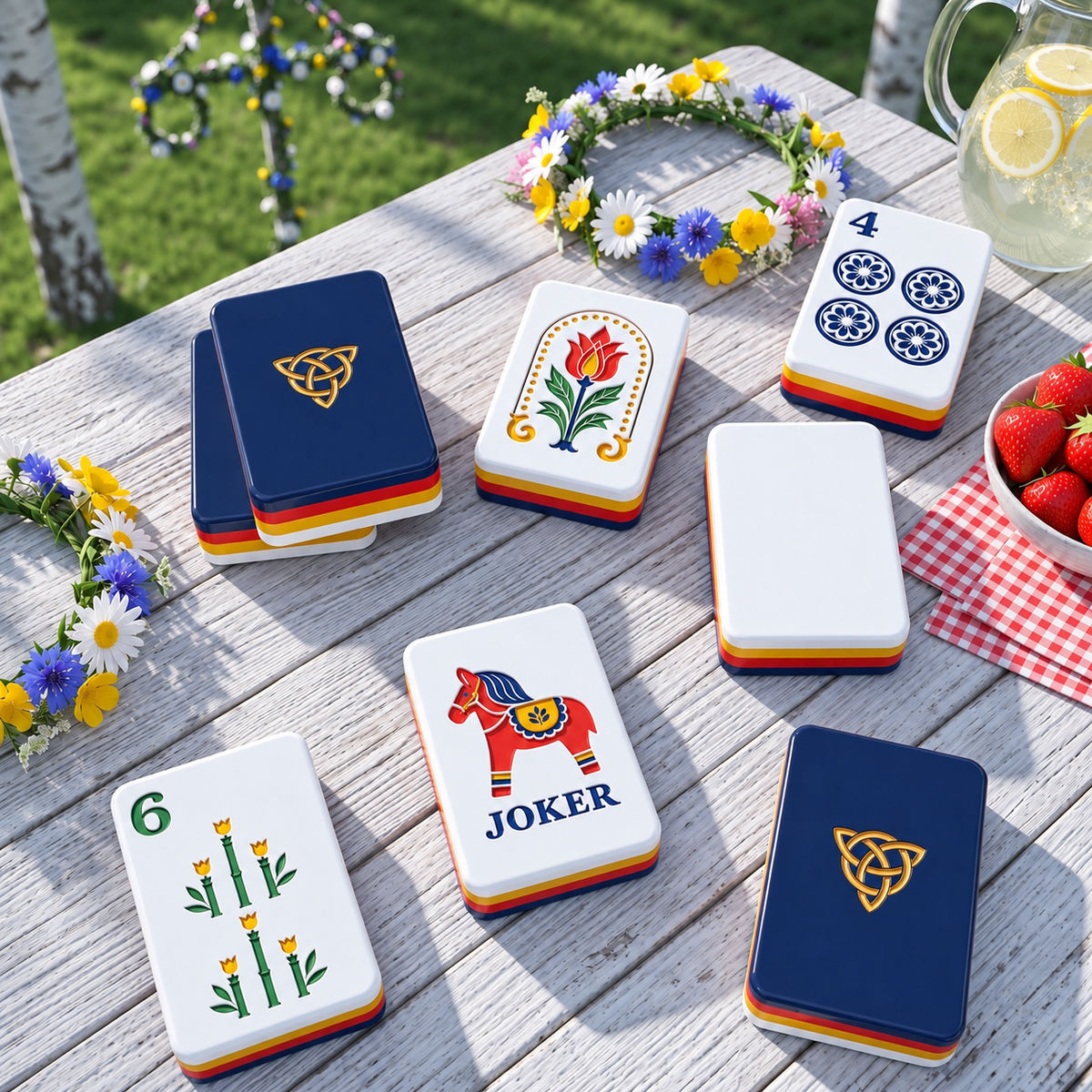
San Francisco's beginner mahjong classes are found primarily through community centers (check Parks & Recreation departments for group instruction), libraries (many host weekly or monthly games), cultural centers, country clubs, and synagogues with active mahjong committees. Classes typically run 4–8 weeks or meet weekly year-round; cost varies but many are free or low-cost. Most classes teach American mahjong, which uses a 160-tile set (152 playing tiles plus spares) with 8 jokers, and players follow the current-year National Mah Jongg League card for valid hands. Before your first class, ask whether you need to bring your own set or if the instructor provides one; if you need to buy, we recommend starting with our best-selling mahjong sets for reliable acrylic tiles. Beginners should arrive early, bring a pen and paper to take notes, and be ready to learn the Charleston (tile-passing ritual), hand-reading basics, and scoring.
Where exactly do San Francisco beginners find classes?
San Francisco's mahjong ecosystem is strongest in neighborhoods with large Chinese and Jewish communities. Start by contacting your neighborhood community center or Parks & Recreation office—many offer formal beginner classes each quarter or as drop-in groups. Libraries (particularly branches in the Sunset, Richmond, and Mission districts) often host open mahjong meet-ups; call ahead or check their event calendars online. Cultural organizations, including Chinese cultural centers and Jewish community centers, frequently offer lessons or host welcoming beginner tables. Country clubs and synagogue social committees throughout the Bay Area host games and can often recommend teachers or groups. Use Meetup.com and Nextdoor to search "mahjong SF" or "mahjong beginner"—these sites list both formal classes and informal groups. The key: contact three sources and ask whether they teach American or Chinese mahjong, when the next beginner cohort starts, and what tiles (if any) you must bring.

What happens in your first beginner class?
Your instructor will cover tile anatomy (the three suits—Bam, Crak, Dot—winds, dragons, flowers, and jokers), how to count tiles and spot valid hands on the card, the Charleston passing ritual, and basic strategy. Expect 60–90 minutes for a first session. You'll likely play one or two incomplete hands so the teacher can correct mistakes live. Bring a notebook; instructors move quickly through tile names and rules, and writing down which tile is which (e.g., "1 Bam = bird"), how to hold your rack, and why a pung must be identical tiles (not 1-2-3) cements the basics. Ask your teacher to explain the current year's National Mah Jongg League card—how to read the sections, what X means (usually a joker), and why hands change every spring. Classes that let beginners play at a real table rather than just watch are worth returning to; actual tile-handling and timing decisions teach more than theory alone.
What equipment do you need before week two?
By session two, most classes expect you to bring or own a basic set. American mahjong requires exactly 152 playing tiles plus 8 jokers for a game; our best-selling mahjong sets come as 160-tile sets (152 + spares for wear or loss). You'll also want a rack to organize your hand—pushing tiles up to hide their faces from opponents is core strategy. Optional but helpful: a mat to quiet tile noise and organize the play area, a mahjong bag or case if you're taking your set between home and class, and a pen for score notes. Many beginners ask whether they need an engraved set—the answer is no. A clear, durable acrylic set is all you need. Engraved designs are fun for gifts or home collections but don't improve gameplay.
Equipment | Why Beginners Need It | When to Buy |
160-tile set (152 + spares) | Only standard for American mahjong; required for play | Before week 2 |
Rack with pushers | Hides your hand; speeds up play; standard at tables | Week 2–3 |
Mahjong mat | Quiets tiles; marks discard zone; optional but recommended | Week 3–4 |
Bag or case | Protects tiles between games; needed only if traveling | When you play away from home |
Pen and scorebook | Records points; helps you learn scoring logic | Bring week 1 |

What mistakes do beginners make, and how do you avoid them?
Mistake 1: Confusing suit names or tile counts. You'll see Bam, Crak, Dot repeated constantly. Bam = bamboo (usually shows stalks or a bird on 1 Bam). Crak = character (from Chinese 筒, often called "dot" colloquially but it's officially Crak). Dot = circles. Write these on a card and glance at it before week 2. Mistake 2: Assuming a pung can be 1-2-3 tiles. No. A pung is three identical tiles—three 5 Dots, three East Winds. A sequence is never a pung. Mistake 3: Not looking at the card early. The National Mah Jongg League card is your bible. It changes every spring (for the current year, 2026). If your class doesn't hand it out, ask the instructor or order one from a mahjong supplier. Mistake 4: Joker panic. Jokers substitute for any tile in a pung, kong, or quint. But jokers cannot form a pair (the two-tile winning hand component), and never use a joker as a single tile on its own. This catches many newcomers. Mistake 5: Ignoring the Charleston. Spend 90 seconds really watching the Charleston (the tile exchange before play)—it's a skill, not just a ritual. Beginners often pass weak tiles without thinking ahead.
🀄 Shop best-selling mahjong sets →
How do you prepare mentally and physically for ongoing play?
Mahjong requires focus, patience with rules, and grace under pressure (your opponents will beat you and you will beat them). Attend at least four weeks before deciding if the community fits you. Beginners often feel overwhelmed by speed or the card's complexity—this is normal. Sit next to the most patient player or the teacher for the first month and ask questions mid-hand if confused. Physically, bring water and snacks; some games run 2–3 hours. Wear comfortable clothes; you'll be reaching across the table and turning racks frequently. Most importantly, go into your first class ready to lose. Beginners lose many hands. This teaches far more than winning—you see what hands your opponents held, why they won, and why your discard was weak. After six weeks, patterns click. After three months, you'll recognize valid hands instantly and begin setting your own strategy.
What if you're learning online or remotely first?
Some San Francisco teachers and groups offer video classes, particularly for absolute beginners. A remote class teaches the rules and hand-reading, but you cannot learn tile-handling, table rhythm, or true strategy online. If you start remotely, plan to join an in-person group within 4–6 weeks. Online practice apps exist, but they don't replace human opponents and an instructor watching your discard choices. If you do try remote learning, follow along with a real American mahjong set—don't just watch. Holding tiles, practicing the Charleston, and physically arranging your hand cement the muscle memory that makes in-person play feel natural when you arrive at a live table.
🎁 See our most-loved mahjong sets & accessories →
What to check before you buy your first set
Tile quality. Are they acrylic, bamboo, or plastic? Acrylic is durable, easy to clean, and standard for home play; it won't peel or crack after a season of weekly games.
Set completeness. Confirm 160 tiles are included (152 playing tiles + spare jokers and blanks for loss or damage).
Rack and case. Ask whether your set includes racks with pushers and a travel bag; if not, budget for them separately in weeks 2–3.
Tile size and weight. Heavier tiles (closer to bone or bamboo weight) feel more premium but cost more; lighter acrylic works fine and ships easier to your class.
Readability. Can you clearly distinguish Bam from Dot from Crak at arm's length? Poor contrast tiles cause beginner errors and frustration.
Spare jokers. Confirm the set has extra jokers beyond the required 8; real play will lose one in your first three months.
✨ Find your Mahstead set — free US shipping →

FAQ
Do San Francisco classes teach American or Chinese mahjong?
Most classes teach American mahjong, which uses the National Mah Jongg League card and allows joker substitution. Always ask when you contact a class; a few groups teach Hong Kong or Chinese variants. American is easiest for beginners and most common in the US.
How much do beginner classes cost in the Bay Area?
Cost varies widely. Community centers and libraries often charge nothing or a small fee (typically under $50 per session or program). Private instructors and clubs may charge per session or membership. Ask directly; free drop-in tables also exist, though they assume you know basics.
Can I join a class if I've never played before?
Yes. Every beginner class assumes zero knowledge. Arrive on time, bring a pen and paper, and tell the teacher this is your first time; they'll pair you with an experienced player or sit you near the instruction zone.
What's the best beginner mahjong set to buy?
Look for a 160-tile acrylic set with racks and pushers included. Acrylic is durable, easy to clean, and affordable. Avoid wooden or bone sets until you've played 20+ times and know your preference; many beginners overinvest in fancy tiles they rarely use.
Do I need to learn how to score before my first class?
No. Most classes teach hand-reading and tile management first, then scoring gradually. American mahjong scoring involves the card and a chart; instructors usually handle it until you're comfortable. Ask your teacher when to learn it—week 3 or 4 is typical.
What's the Charleston and why does my class spend so much time on it?
The Charleston is the tile-passing ritual before each game. You pass 3, then 3, then 1 tile sideways three times (right, across, left). It randomizes hands and is a core part of American mahjong strategy. Your first time it'll feel chaotic; after 10 games it becomes rhythm.
Should I memorize all the tile names before my first class?
No. Bring a simple cheat sheet (Bam, Crak, Dot, winds: North/East/West/South, dragons: Red/Green/White) and glance at it between hands. Repetition in-game teaches faster than memorization.


View More
View More
View More
