
Mahjong Case Under 100: Which Is Right for You?
Last updated: Nov 23, 2026
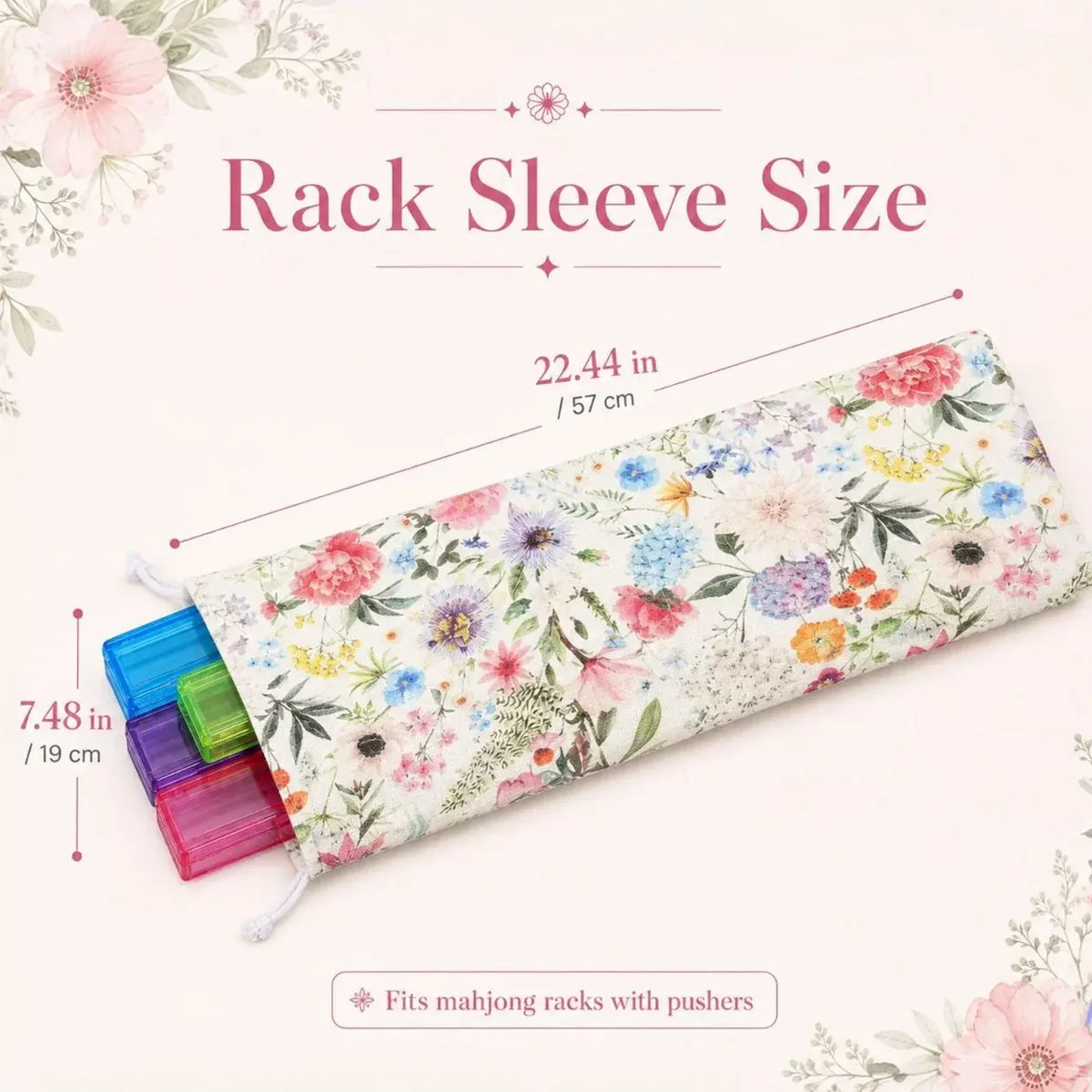
A mahjong case under budget protections tiles during transport and storage, extending the life of acrylic or bone sets. Options range from soft-sided drawstring bags to hard-shell cases with foam inserts, each offering different protection levels and portability. From the Mahstead travel bag collection, cases typically hold a full 160-tile American mahjong set with room for mats, racks, and dice. Hard cases add weight but shield against drops and crushing; soft bags prioritize convenience and fit easily in car trunks or overhead bins. The key choice: Do you play at one home table weekly, or do you transport your set to different venues? That single question narrows your best option.
A good mahjong case keeps your tiles safe and game nights portable. Options range from soft-sided drawstring bags to hard-shell cases with foam inserts, each offering different protection levels and portability. From the Mahstead travel bag collection, cases typically hold a full 160-tile American mahjong set with room for mats, racks, and dice. Hard cases add weight but shield against drops and crushing; soft bags prioritize convenience and fit easily in car trunks or overhead bins. The key choice: Do you play at one home table weekly, or do you transport your set to different venues? That single question narrows your best option.
Why does your mahjong case matter more than you think?
Acrylic tiles chip easily when sets shift during transport or storage. A single dropped case can crack dozens of tiles, forcing you to buy replacement tiles or a whole new set. Players who host at home but also travel to tournaments, friends' houses, or vacation homes face the highest risk. Hard-shell cases prevent lateral pressure; soft bags fail when stacked under other luggage. The case you choose today determines whether your set lasts ten years or three.

What's the real difference: soft bag versus hard case?
Comparison: Soft Bag vs. Hard Case
Feature | Soft Drawstring Bag | Hard-Shell Case |
Weight | 2–4 lbs empty | 6–10 lbs empty |
Tile protection | Moderate (compresses) | High (rigid walls) |
Storage footprint | Compact, fits shelves | Takes closet/under-bed space |
Temperature stability | Fair (fabric breathes) | Excellent (sealed interior) |
Portability | Backpack or car seat | Car trunk, dolly friendly |
Price basis* | Typically lower range | Mid to upper range |
Best for | One-home weekly players | Multi-venue travelers |
Lifespan | 3–5 years with care | 8–10+ years |
*Pricing varies; see the travel bag collection for current options.
Soft bags suit players who drive to one friend's house each week and leave the case in the car. Hard cases earn their weight if you fly with your set, play in tournaments, or store it near cats, children, or moving boxes.
🀄 Shop best-selling mahjong sets →
How do you know if a case will actually fit your set?
Measure your tiles first. A standard 160-tile American mahjong set (152 playing tiles plus 8 spare jokers) fits into a box roughly 10 inches wide, 7 inches deep, and 5 inches tall. Some cases add dividers or foam slots for racks and mats; others assume you'll carry those separately. Before ordering, ask the seller whether the case accommodates a standard acrylic set plus one or two pushers, and whether a travel mat folds flat underneath. Cases marketed as "universal" often squeeze your set but leave no margin for error. Mahstead's travel bag collection specifies interior dimensions so you can confirm fit before checkout.
What mistakes do players make when buying a case?
Common pitfalls:
Underestimating weight. A hard case that's "perfect" in a showroom becomes a chore when you carry it up three flights to a friend's apartment. Test the handle or shoulder strap yourself if possible.
Forgetting the mat. Most cases alone don't hold a rolled mat or a 36-inch-square play surface. Budget a second, flat carrier or ensure your case opens wide enough for mat, set, and racks together.
Choosing style over durability. Decorative cases with thin walls protect less than sturdy, utilitarian ones. If your tiles are worth replacing, your case is worth overstuffing slightly for padding.
Ignoring humidity. Soft bags expose tiles to temperature swings on long drives; hard cases with a rubber seal keep acrylic stable. If you store your set in a garage or humid climate, sealed cases matter.
Buying too small. A case that barely fits your set leaves zero room for mats, dice, or scoring chips. Tight packing accelerates tile wear and makes setup before each game frustrating.
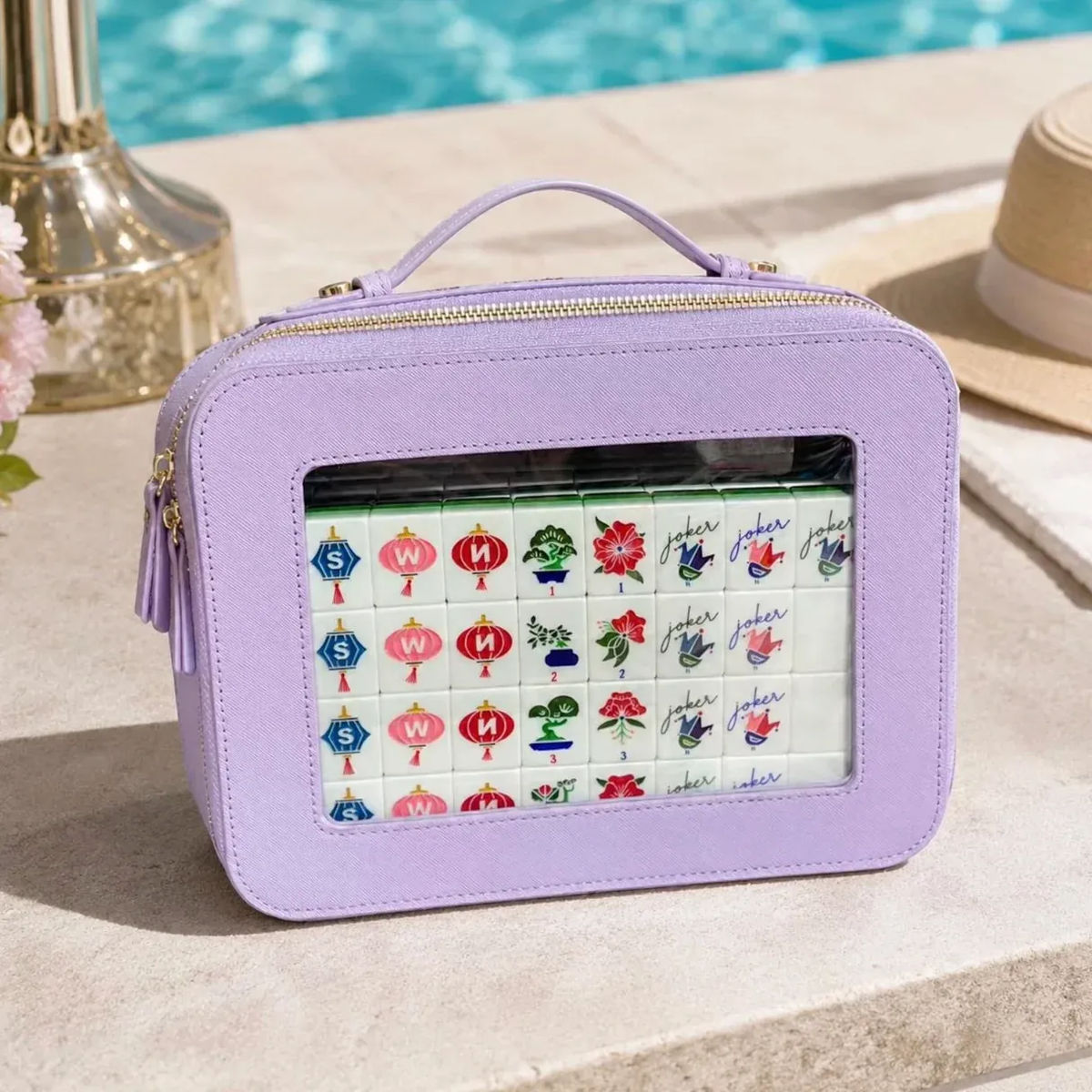
Which case type matches your play pattern?
For home-only weekly players: A soft drawstring bag stored in a bedroom closet is efficient and affordable. Your set stays in one climate-controlled space; transport is rare and over short distances. Risk of damage is lowest, so protection needs don't justify extra bulk.
For multi-venue players: A hard case with interior dividers protects tiles across varying climates, long drives, and stacked luggage. If you attend tournaments, travel to vacation homes, or host rotating game nights at different friends' houses, a rigid case pays for itself in tile longevity. The extra weight and storage footprint are trade-offs you'll accept after your first damaged set.
For gift-givers: A soft-sided bag with an engraved set from the best-selling mahjong sets collection signals thoughtfulness without overwhelming. Paired with a matching mat or pair of racks, a travel bag bundle is portable and feels complete. New players don't yet know their venue habits, so starting with a soft option lets them upgrade later if needed.
For serious collectors: Hard cases with custom foam inserts appeal to players with multiple sets or rare tiles. If you own bone-and-bamboo sets alongside acrylic ones, or if you display your collection, a case protects investment-grade pieces.
🎁 See our most-loved mahjong sets & accessories →
What should you check before you buy?
Interior dimensions. Verify width, depth, and height in inches. Your set plus one rack should fit with 0.5–1 inch of cushion on each side.
Material of walls. Polycarbonate and ABS plastic are rigid and durable; canvas or nylon is light but compresses under pressure.
Handle and hinges. If hinged, check that both sides open evenly; if the handle is padded, ensure it won't dig into your palm during long carries.
Interior lining. Foam dividers, felt, or rubber grips prevent tiles from sliding. Bare plastic cases require you to add cushioning yourself.
Seal or closure. Zippers must track smoothly; latches must click firmly. Test the opening and closing motion before checkout.
Ventilation or humidity control. Hard cases with vents or silica-gel pockets keep acrylic tiles from warping in humid storage.
Return policy. If the case arrives and your set doesn't fit, you need to know the seller's exchange or refund terms.
From the Mahstead travel bag collection, compare cases by interior capacity, wall thickness, and warranty terms (if stated) so you're not guessing at checkout.
Final checklist: Choosing your mahjong case
[ ] Do you transport your set weekly, monthly, or never?
[ ] How many miles away is your farthest play venue?
[ ] Will your case live in a car, closet, or under a bed?
[ ] Do you also need to carry a mat and racks in the same bag?
[ ] Is climate control (heat, humidity, dust) a concern?
[ ] Can you physically test the handle and latch?
[ ] Does the interior fit your set with 0.5–1 inch of cushion?
[ ] Is the return or exchange policy clear?
✨ Find your Mahstead set — free US shipping →

FAQ
Does a soft bag protect tiles as well as a hard case?
A soft bag cushions tiles from minor bumps and dust but compresses under stacked weight or pressure. Hard cases prevent crushing, lateral shifts, and environmental damage—better for frequent travel or multi-venue play. Soft bags suit home-only weekly players.
Can I fit a mahjong mat and case in the same bag?
Most dedicated travel cases don't; you'd fold the mat separately or carry both. A few larger cases hold a rolled mat on the bottom and a set above. Always verify interior dimensions before ordering.
What happens if my tiles shift inside the case during driving?
Loose tiles bang against walls, chipping acrylic corners and edges. Foam dividers, felt lining, or custom inserts prevent movement. Hard cases with tight tolerances are safer than soft bags without padding.
Should I buy a case before or after I choose my mahjong set?
Choose the set first. A 160-tile American set is standard, but its exact footprint depends on tile size and case design. Measure your set, then match it to a case with confirmed interior dimensions.
How do I keep acrylic tiles from yellowing or warping in a case?
Store in a climate-controlled closet or room. Sealed hard cases with silica-gel packets minimize humidity exposure. Avoid leaving your case in hot cars or damp basements for weeks.
Is it worth paying extra for a branded or designer case?
Brand reputation matters for durability and customer service, not cosmetics. A sturdy, well-sealed case that protects your tiles is worth the investment; decorative finishes add cost but not function. Focus on wall thickness, lining, and seal quality.


View More
View More
View More
