
How to Tell if Mahjong Tiles Are Glitter Acrylic
Last updated: Nov 23, 2026
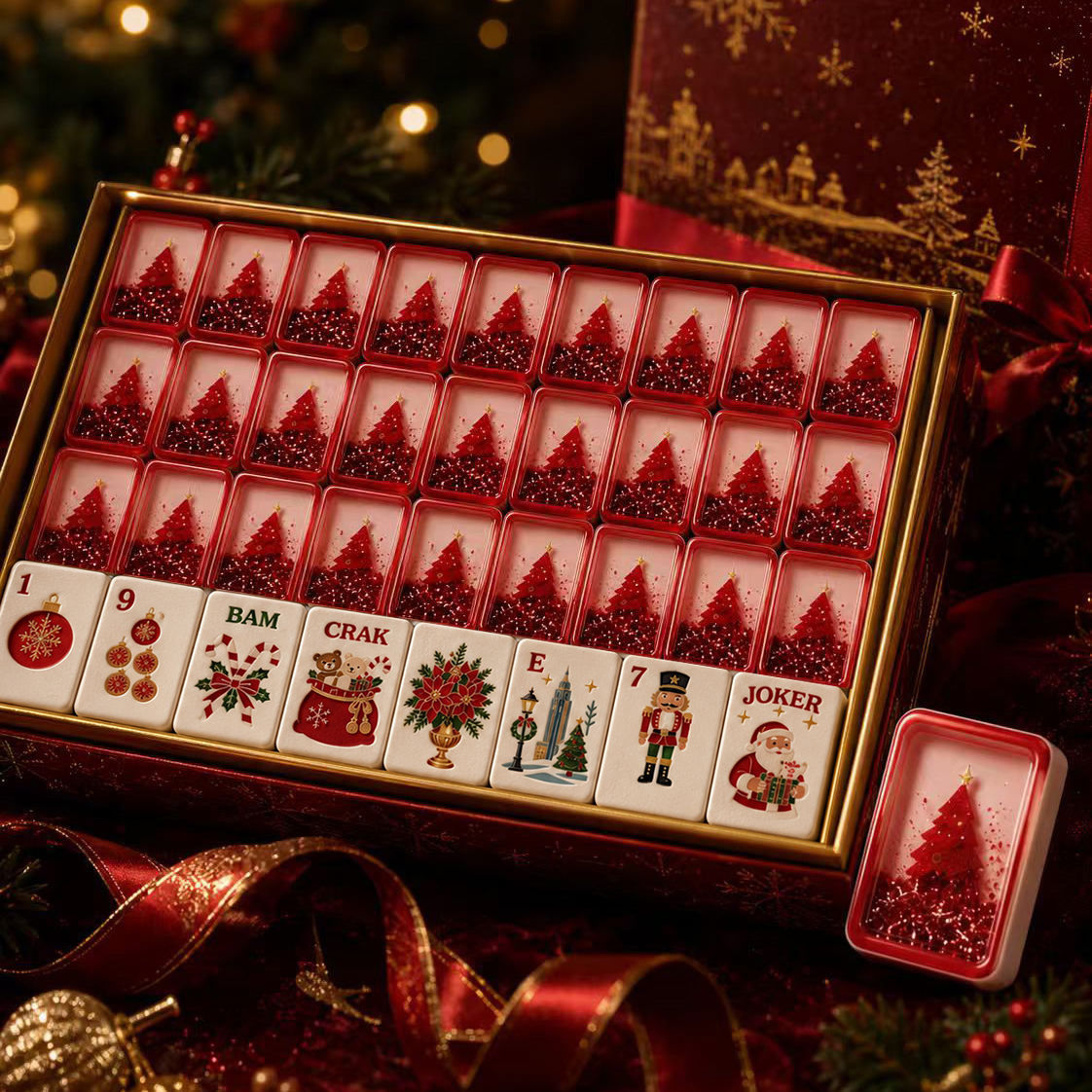
True glitter acrylic mahjong tiles contain actual sparkle particles embedded throughout the acrylic material, visible under light and when you run your fingers across the surface—not painted or printed on top. Real glitter tiles feel slightly textured and show consistent shimmer from every angle, whereas standard opaque acrylic appears flat and matte. Glitter tiles cost more than plain acrylic because the manufacturing process involves mixing shimmer into the molten acrylic before forming each tile. At Mahstead, our glitter acrylic sets are cast with sparkle throughout the acrylic body (not surface-applied), which means the shine lasts through years of play without wear or peeling. Watch for painted-on glitter—cheap alternatives that flake off—and verify the material description in the product listing before ordering.
Glitter acrylic mahjong tiles have become popular among serious players who host weekly games and want their table to look as good as it plays. But separating genuine glitter acrylic from imitation shine requires knowing what to look for. The good news: once you understand the three main telltale signs, you'll never confuse a glitter tile with a painted fake.
What exactly is glitter acrylic?
Glitter acrylic tiles contain reflective particles—mica, glass, or metallic flakes—mixed into clear or colored acrylic resin before the tiles are cast. This means the sparkle is inside the material, not layered on top. When light hits a true glitter tile, the shimmer appears consistent across the entire face and edge, and the particles catch light at different angles. Real glitter acrylic tiles stay shiny for years because nothing is sitting on the surface to scratch or peel off during the Charleston shuffle.

How do you spot genuine glitter tiles at the store?
Hold the tile at an angle under overhead or natural light. Genuine glitter acrylic will show sparkle throughout the thickness of the tile—look at the edge and you'll see the shimmer continues right through. Compare this to plain acrylic, which looks opaque and uniform from every side. Run your thumb lightly across the face: real glitter tiles feel slightly textured, never slick or glossy. If a set description says "glitter acrylic" but the tile feels perfectly smooth like glass, suspect painted-on shimmer. Ask the seller for close-up photos of the tile edge and ask whether the glitter is mixed into the acrylic or applied to the surface—the answer will be your first clue.
What's the difference between glitter and painted sparkle?
Painted sparkle is a thin coating of metallic or glitter paint applied to the tile surface after manufacturing. It looks bright initially, but within weeks or months of regular shuffling—especially during the tile-passing frenzy of the Charleston—the paint dulls, chips, and peels. Glitter acrylic, by contrast, shows no wear because the sparkle is locked inside the material. Paint-job tiles are cheaper to produce, so they're often marketed as "glitter" without specifying that the shine is applied, not embedded. The honest sellers—like those who cast our engraved American mahjong sets—will tell you upfront whether the glitter is integral or surface treatment. If a listing uses vague language like "sparkly" or "shimmery" without specifying the material composition, that's often a red flag for paint.
What should you feel and see in your hands?
When you receive a genuine glitter acrylic set, open it and inspect a few tiles under good light. Here's your tactile checklist:
Edge test: Hold a tile edge-on toward a window or lamp. You should see the shimmer continue into and through the acrylic, not sit only on the painted surface.
Feel test: Run a dry thumb across the face. Glitter tiles feel slightly grainy or textured—not smooth or slippery like polished glass.
Angle test: Rotate the tile slowly in your hands. Real glitter sparkles change as you move it; the reflections should dance and shift. Painted sparkle looks flat and stationary no matter the angle.
Color test: Genuine glitter tiles maintain their base color (red, green, white, etc.) while adding shimmer on top. Painted tiles sometimes look darker or murky because the paint layer dulls the underlying color.
Durability test: After a month of weekly games, inspect the tiles again. Glitter acrylic should look the same; painted tiles will show wear, dullness, or flaking.
🀄 Shop best-selling mahjong sets →

How much does real glitter acrylic cost versus plain acrylic?
Glitter acrylic tiles cost more to manufacture because embedding sparkle particles into the acrylic requires special equipment and higher-grade resin. Our best-selling sets range across multiple material options; glitter versions are priced higher than plain acrylic but lower than hand-carved bone or bamboo sets. The price difference reflects real material value: glitter acrylic lasts as long as solid-color acrylic (10+ years of weekly play) but looks sharper from day one. Many players find the extra cost worth it because they use their set 50+ times a year and want it to look beautiful every time. If you play once a month, plain acrylic is a smart choice; if you host every Thursday, glitter acrylic pays back in pride and longevity.
What traps do buyers fall into with glitter tiles?
Common mistake top: Assuming "acrylic" automatically means glitter. Many sellers use "acrylic glitter" to describe painted-on sparkle. Always ask or read the full product description—it should say "glitter embedded in acrylic" or "glitter cast throughout" rather than "glitter-painted acrylic."
Common mistake #2: Buying untested seller brands. If a vendor doesn't provide close-up photos of the tiles under light or won't answer direct questions about the sparkle method, they're likely hiding something. Trustworthy sellers—especially those who offer engraved custom sets—document their tile materials and answer questions before you pay.
Common mistake #3: Confusing finish with glitter. A glossy or semi-gloss finish on plain acrylic can look shiny indoors, but it's not glitter. Glossy tiles still lack the textured sparkle and light-catching depth of true glitter acrylic.
Common mistake #4: Ignoring the tiles you already own. If you've ever played a hand with tiles that felt too smooth or that lost their "shine" after six months, they were likely painted, not embedded glitter.
Feature | Real Glitter Acrylic | Painted Sparkle | Plain Acrylic |
Sparkle location | Throughout tile | Surface only | None |
Edge appearance | Shimmer visible | Flat; paint only on top | Opaque |
Feel | Slightly textured | Smooth or sticky | Smooth and matte |
Durability after 6 months | Unchanged | Dull or chipped | Unchanged |
Best for | Weekly players who want lasting shine | Casual/gift sets | Budget-conscious regular players |
🎁 See our most-loved mahjong sets & accessories →
What to check before you buy glitter acrylic mahjong tiles
Read the material description carefully. It should say "glitter acrylic" or "sparkle acrylic cast" or "embedded glitter"—not "glitter-painted" or "glitter finish."
Ask for photos of the tile edge under light. A seller confident in their product will provide this without hesitation.
Verify the full tile count. Standard American mahjong sets use 152 playing tiles plus 8 jokers; our sets ship as 160-tile sets with spare tiles included.
Check the return or warranty policy. If a set arrives and the tiles feel painted rather than embedded, you want recourse.
Order from sellers who explain their process. Vendors who describe how they cast and finish their tiles demonstrate transparency.
✨ Find your Mahstead set — free US shipping →

FAQ
Can I tell if tiles are glitter acrylic before I buy them online?
Yes. Ask the seller for close-up photos of the tiles under bright light and from the edge. Request confirmation that the glitter is embedded in the acrylic, not painted on. Read the full product description—if it says "glitter acrylic" without qualification, verify by email before ordering.
Does glitter acrylic scratch easily?
No. The sparkle is locked inside the material, so normal play—shuffling, stacking, and moving—won't harm it. Surface scratches are rare and don't affect the embedded glitter.
Are glitter acrylic tiles heavier than plain acrylic?
Not significantly. Glitter acrylic weighs about the same as solid-color acrylic because both are cast from similar base resin. Hand-carved bone or bamboo tiles are noticeably heavier.
Do I need special cleaning for glitter acrylic tiles?
No. A soft, dry cloth works fine. If tiles need cleaning, wipe them gently with a lint-free cloth. Avoid harsh chemicals—plain water and mild soap are safe.
What's the lifespan of glitter acrylic tiles if I play weekly?
10+ years. Because the glitter is embedded, not painted, it doesn't wear out. The tiles maintain their shine through hundreds of games as long as you store them in a protective bag or case.
Can I tell the difference between glitter acrylic and frosted acrylic?
Yes. Frosted acrylic has a matte, non-reflective surface; glitter acrylic sparkles and reflects light. Frosted tiles feel smooth; glitter tiles feel slightly textured due to the embedded particles.


View More
View More
View More
