
How to Tell if Mahjong Tiles Are Bone and Bamboo
Last updated: Nov 23, 2026
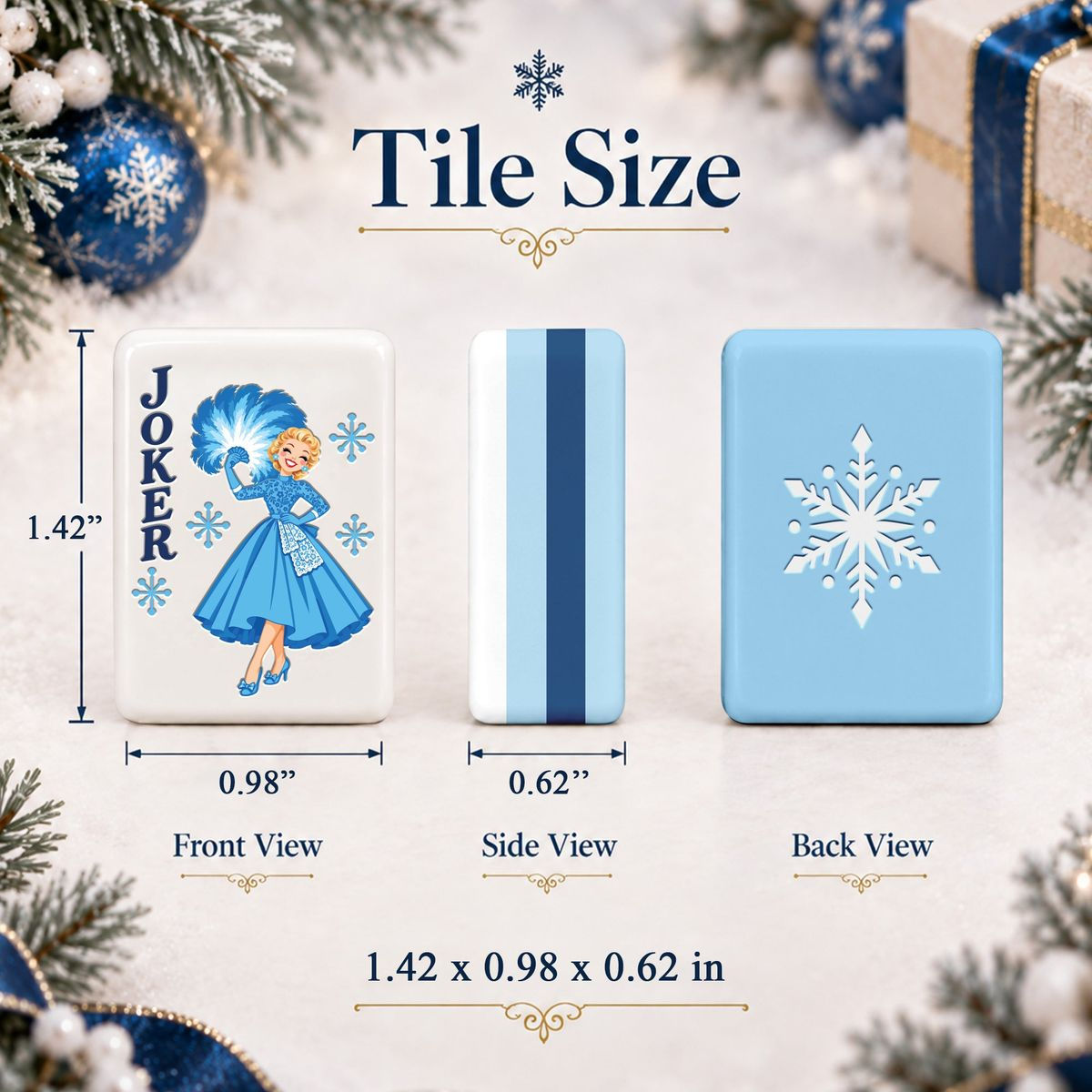
Authentic bone and bamboo mahjong tiles have distinct tactile and acoustic signatures: bone feels warm, heavy, and smooth; bamboo backing is visibly layered and slightly textured. Real bone tiles sound crisp when shuffled; resin or acrylic sound dull and plastic-like. Examine the tile face under light—bone shows natural grain variation and subtle color shifts, while bamboo backing displays growth rings or lamination lines. Weigh a full set: bone-and-bamboo sets are noticeably heavier than acrylic equivalents. Look for hand-painted or carved details; factory resin sets have uniform printing. Check the edges: bone tiles often show slight irregularities from hand-cutting, while acrylic edges are perfectly uniform. A genuine set costs more upfront but lasts decades; many players buy acrylic sets like those from our best-selling collection for weekly games where durability, engraving, and personalization matter more than material heritage.
Real bone and bamboo mahjong tiles carry weight—literally and historically. If you've held a set made from animal bone and bamboo slats, you know the difference: that satisfying heft, the natural variation in color, the warmth in your palm. Resin and acrylic sets are cheaper, lighter, and easier to customize. But if authenticity and longevity matter to you, learning to spot bone and bamboo is worth the effort.
What does authentic bone tile feel like in hand?
Bone tiles have a distinctly warm, smooth surface that feels more organic than plastic. Run your thumb across genuine bone and you'll notice a slight grip—not slippery. The weight is substantial; a full set of bone and bamboo tiles registers as genuinely heavy compared to acrylic. Bone also conducts temperature: a set left on your table for an hour will be slightly cool to the touch, whereas acrylic stays warmer. When you stack tiles, real bone makes a crisp, clicking sound; acrylic produces a hollow tap. If the tiles feel lightweight, cold to the touch, and sound plastic-like, they're almost certainly resin or acrylic.

How do you spot bamboo backing on genuine tiles?
Bamboo backing appears as layered horizontal lines visible on the tile reverse or edges. Authentic bamboo tiles show growth rings, natural color gradation from light cream to pale gold, and occasional small knots or imperfections. If you examine the edge of a bamboo-backed tile under bright light, you'll see the laminated structure—multiple thin strips glued together. Machine-made acrylic has a uniform, translucent appearance with no visible layers. Resin-backed tiles often have a grainy texture but no distinct lamination pattern. Look closely at worn tile edges on older sets; genuine bamboo shows darker grain lines where the layers have separated slightly over time, evidence of natural material aging.
Why does tile sound matter when checking authenticity?
Shuffle a real bone-and-bamboo set and listen. The sound is bright, crisp, and almost musical—each tile has a distinct voice. This tonal clarity comes from bone density and bamboo's acoustic properties. Acrylic or resin sets produce a dull, flat shuffling sound, sometimes slightly squeaky. In a game setting, experienced players can often identify a set's material by sound alone. Make this test yourself: if you hear a hollow, plastic rattle instead of a clear click, you're likely holding acrylic. Record the shuffle sound on your phone and compare it to videos of vintage bone-and-bamboo sets online; the difference is unmistakable. Acoustic quality is one reason collectors prize bone tiles—they literally sound like heritage.
What printing and paint details reveal about material?
Hand-painted bone tiles show brushstrokes, slight color irregularities, and variations in tone across the set. Each 1 Bam bird, each dragon, each wind symbol looks slightly different—evidence of artisanal work. Factory-printed resin or acrylic tiles have identical, uniformly applied graphics with no variation. Examine tiles under a magnifying glass: bone tiles often show microscopic texture where paint sits on the surface; acrylic or resin tiles feel smooth because paint is absorbed into or bonded evenly across the plastic. Look at older sets; hand-painted details on bone age gracefully, with slight fading that adds character. Mass-produced acrylic graphics fade uniformly or chip in uniform spots. If every single tile looks factory-perfect with zero variation, you're holding modern resin or acrylic.

What weight and edge quality tell you about a set's true origin?
A genuine bone-and-bamboo set weighs roughly 25–30 percent more than an equivalent acrylic set because bone is denser than plastic. Pick up a set and feel that substantial weight in your palms—it should feel solid and grounded, not featherweight. Examine the edges where tiles were cut. Real bone and bamboo are hand-cut or vintage machine-cut, so edges show slight beveling, micro-chips, or gentle irregularities. Modern acrylic tiles have perfectly uniform, laser-cut or molded edges with no variation whatsoever. Run your fingernail along an edge: real bone edges are slightly rough; acrylic edges are glassy-smooth. Over decades, genuine tiles develop a subtle patina and edge wear that adds authenticity; acrylic tiles stay pristine or scratch uniformly. If a set claims to be bone and bamboo but feels light and looks machine-perfect, the seller is misleading you.
Comparison: Bone-and-Bamboo vs. Acrylic Sets
Attribute | Bone & Bamboo | Acrylic |
Weight | Notably heavy; substantial heft | Lightweight; easy to carry |
Touch | Warm, slightly textured, organic feel | Cool, smooth, plastic-like |
Shuffle sound | Bright, crisp, musical click | Dull, hollow, plastic rattle |
Tile face | Hand-painted, natural color variation | Machine-printed, uniform graphics |
Bamboo backing | Visible lamination layers, growth rings | Uniform resin or acrylic color |
Edge finish | Slight irregularities, hand-cut bevels | Perfect, laser-cut uniformity |
Longevity | 50+ years, develops patina | 10–20 years, wears uniformly |
Cost basis | Premium; collector/heirloom value | Budget-friendly; practical play |
Why many players choose acrylic over bone and bamboo today
Bone-and-bamboo sets are beautiful and storied, but they're not the right choice for everyone. We've hosted hundreds of weekly games, and most players now prefer acrylic for practical reasons: you can engrave names, dates, or club logos into acrylic; you can choose modern colors and designs that match your décor; acrylic won't splinter or crack if dropped; and acrylic sets are affordable enough that a whole group can buy matching sets without financial strain. Our best-selling mahjong sets are acrylic, custom-engraved, and designed for players who value durability, personalization, and a lifetime of games with friends. If you're buying your first set or replacing one that's worn out, acrylic offers reliability and character without the fragility of vintage bone.
🀄 Shop best-selling mahjong sets →
How to authenticate a vintage set or identify a counterfeit
If you're buying a set marketed as "vintage bone and bamboo," ask the seller for close-up photos of edges, tiles, and bamboo backing. Request a shuffle video so you can hear the sound. Ask how long the set has been used and where it came from. Genuine vintage sets show wear patterns consistent with 30+ years of play—slight fading, edge rounding, and a patina from handling. Counterfeits try to mimic this by artificially aging acrylic tiles, but they never achieve the authentic acoustic or thermal properties. Buy from reputable dealers with return policies. If a price seems too low for bone-and-bamboo, it's probably acrylic or resin. Never assume a set is authentic based on packaging alone; the packaging for counterfeit "bone" sets can look authentic. Your nose can also help: genuine bamboo has a subtle, warm smell; acrylic and resin smell like chemicals or plastic, especially when new or warm.
What to check before you buy a "bone and bamboo" set
Listen to a shuffle video (or shuffle samples in person if buying locally) and compare the sound to known bone-and-bamboo recordings—bright and crisp vs. dull and hollow.
Feel the weight: heft the set in your hands for at least 30 seconds; genuine bone sets feel grounded and substantial.
Inspect bamboo backing under light: look for visible lamination lines, natural color variation, and growth rings; machine-made acrylic is uniformly opaque.
Examine tile edges with a magnifying glass: real bone shows micro-bevels and slight irregularities; acrylic is laser-cut perfect.
Look at hand-painted details: each brushstroke should vary slightly; factory printing is identical on every tile.
Ask for age and provenance: where did the set originate, and how long has it been in use? Genuine vintage sets have documented history.
Test thermal properties: hold the set for five minutes, then touch tiles to your cheek; real bone feels cool; acrylic stays room-temperature.
Check for return policies and authentication guarantees: reputable sellers stand behind their claims.
🎁 See our most-loved mahjong sets & accessories →
If you're serious about mahjong but not committed to hunting down authentic vintage bone sets, modern acrylic is a practical, beautiful alternative. Engraved American mahjong sets let you personalize your game and build a set that tells your story—names, dates, club logos, or inside jokes engraved right into the tiles. You get the satisfaction of owning something unique, the reliability of modern materials, and a set built to last through countless weekly games. Many players start with acrylic and later add a vintage bone set to their collection; the two coexist beautifully in any player's cabinet.
✨ Find your Mahstead set — free US shipping →

FAQ
Can you feel the difference between bone and bamboo tiles if you're blindfolded?
Yes. Bone tiles feel warmer, smoother, and denser; they also produce a distinctly brighter sound when shuffled. Experienced players can identify bone sets by touch and sound alone. Acrylic feels cooler and sounds hollow by comparison.
Do bone and bamboo tiles age better than acrylic?
Genuine bone and bamboo develop a beautiful patina over decades and can last 50+ years with care. Acrylic lasts 10–20 years depending on storage and handling, though it won't splinter or crack. Both are durable; bone ages with character, acrylic ages uniformly.
Why are bamboo-backed tiles better than plastic backing?
Bamboo backing is stronger, less prone to warping in humidity, and has natural acoustic properties that contribute to the crisp shuffle sound. Plastic backing is lighter, cheaper, and easier to mass-produce, but it doesn't age as gracefully or sound as authentic.
How can I tell if an online listing's "bone and bamboo" set is actually acrylic?
Request close-up photos of tile edges and bamboo backing, ask for a shuffle video, and check the weight spec if listed. Read seller reviews carefully. Genuine bone sets rarely go below a certain price point. If in doubt, buy from sellers with clear return policies.
What's the difference between hand-painted and machine-printed tiles?
Hand-painted tiles show slight variation in color, brushstroke intensity, and tone—no two tiles are identical. Machine-printed tiles are uniformly perfect with identical graphics on every tile. Hand-painted is characteristic of authentic vintage bone sets; machine-printed is mass-produced acrylic or resin.
Are bone tiles worth the extra cost if I only play once a week?
For casual weekly games, acrylic sets are more practical and affordable. For collectors, serious players, or heirloom-quality sets you plan to pass down, bone and bamboo justify the investment. Consider your long-term commitment and storage conditions before deciding.


View More
View More
View More
