
How to Choose Mahjong Pushers: A Player's Buying Guide
Last updated: Nov 23, 2026
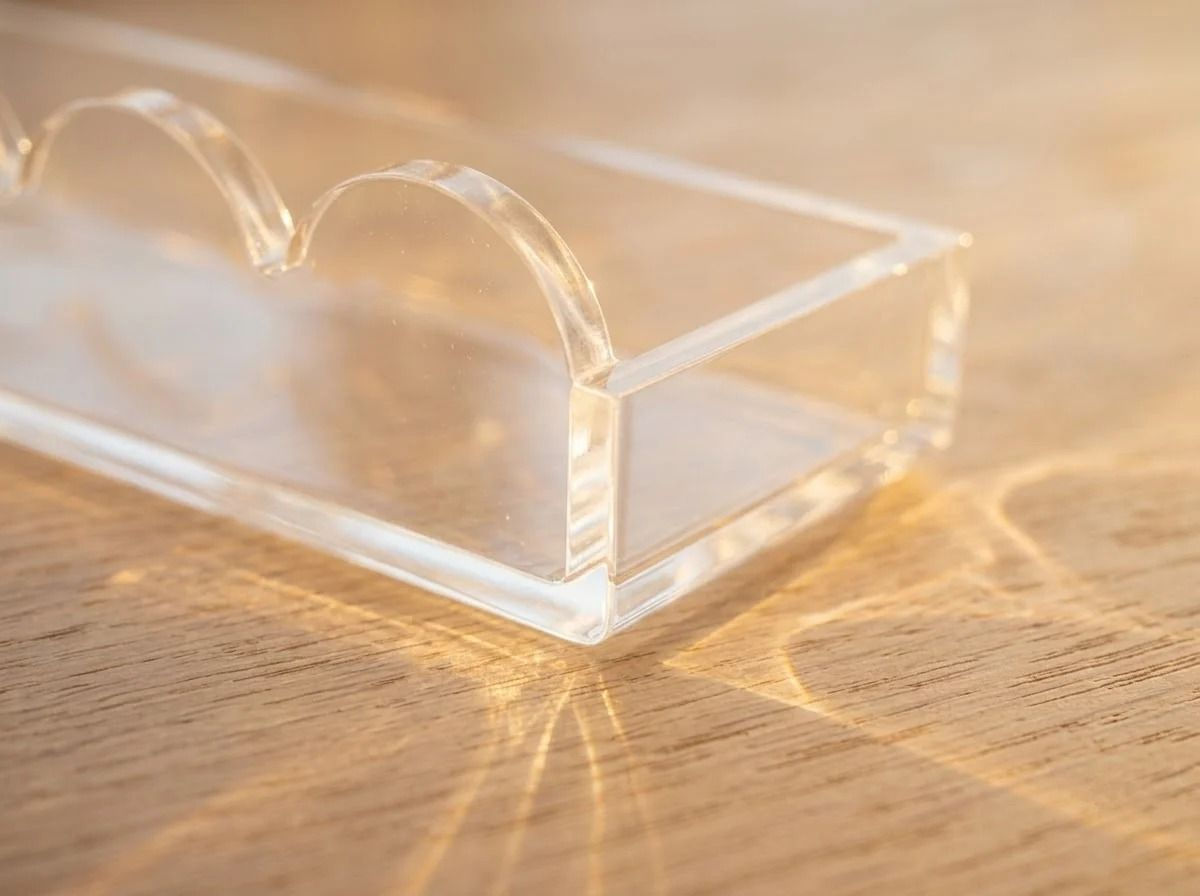
Mahjong pushers are two flat implements (often wooden or acrylic) that let you push and display your tiles neatly on a rack without touching them directly. Most pairs come with a matching rack; together they protect your tiles, speed up hand management, and keep the game clean and professional. Pushers pair with mahjong racks with pushers and are sold either as standalone tools or bundled with a rack and set. Quality ranges from basic utility designs to custom-engraved pieces that reflect your table's personality. You'll choose based on tile thickness (our acrylic sets need different pusher weight and profile than bone), hand size, whether you prefer speed or grip control, and aesthetic preference—some players want subtle elegance, others a bold statement. Budget ranges widely; see current price on the product page for specific options. Pushers aren't optional extras—they're core infrastructure for organized, injury-free play.
Why do pushers matter more than most players think?
Pushers protect your fingers, tiles, and the flow of the game. Without them, you're pinching tiles by their edges (wear and dirt accumulate fast), your melds aren't clearly visible to opponents across the table, and your hand takes up chaotic space on the rack. We've watched games slow down when players use their nails or improvise with chopsticks. Good pushers let you confidently display pungs, kongs, quints and sextets without hesitation, and they reduce the wear on expensive best-selling mahjong sets—especially acrylic tiles, which show fingerprints and scratches. A quality pair also levels the playing field: everyone's melds are equally readable, and there's no advantage to having steadier hands. Most tables that switched to pushers never went back.
🀄 Shop best-selling mahjong sets →
What's the difference between pusher profiles?
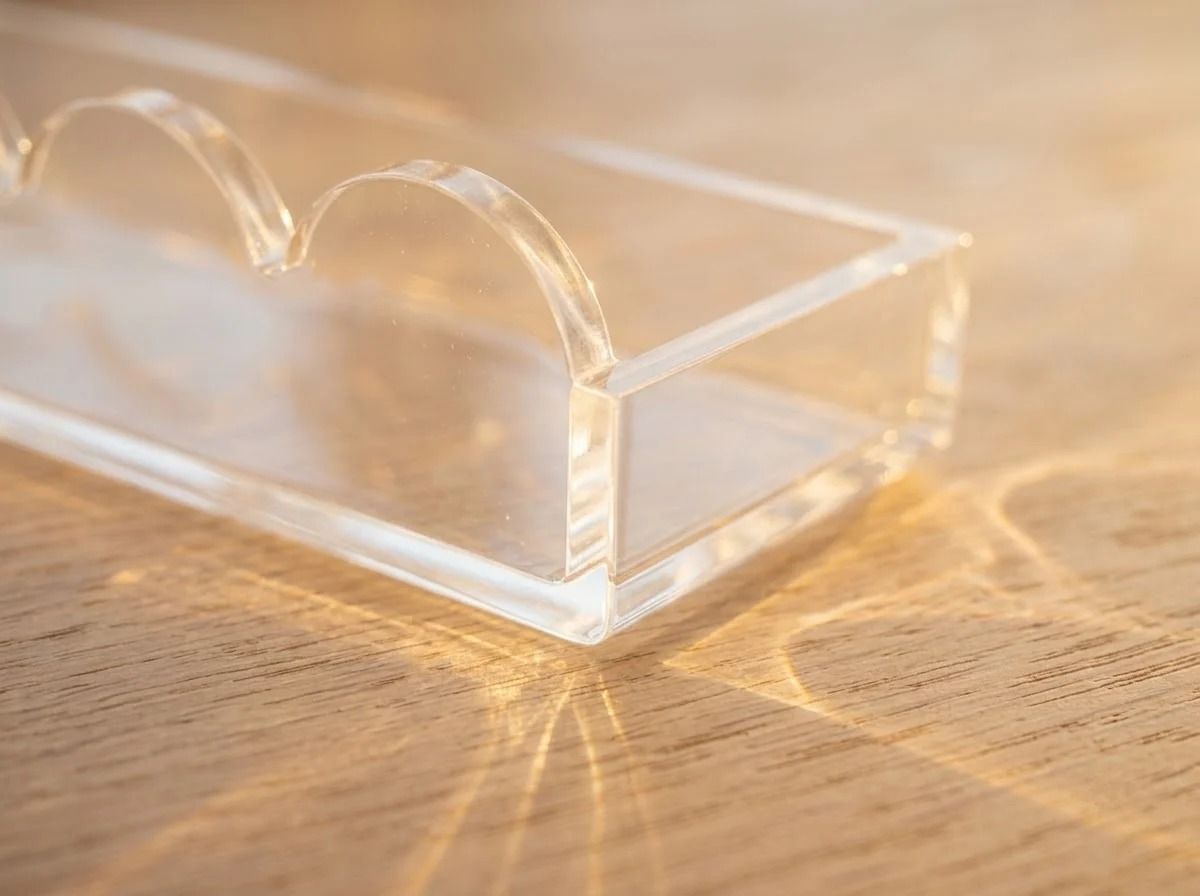
Pushers come in three main profiles: slim (thin, flat, fast-sliding), standard (mid-thickness, balanced grip), and wide (broad surface, slower, maximum control). Slim pushers glide across racks built for speed—ideal if you're managing quick Sap hand discards or playing in fast tournaments. Standard pushers are the workhorse: they give you a natural grip without requiring fine motor control, and they work with most tile thicknesses. Wide pushers slow your movements slightly but give beginners and players with arthritis or less hand strength a larger surface to control—every push feels deliberate and safe.
Your tile thickness matters. Acrylic American mahjong tiles in our 160-tile sets are often slightly thinner than vintage bone, so they respond differently to pusher weight and angle. If your tiles feel sticky or hard to move, your pusher may be too narrow or too light. Test by pushing a meld from three tiles to six—it should slide smoothly without tilting. Most players land on standard or wide profiles; slim is worth trying only if you're playing weekly tournaments and value speed over comfort.
How do material and weight affect performance?
Pushers are commonly made from wood, bamboo, acrylic, or bone. Wood (typically birch or walnut) is warm, durable, and has natural grip—tiles slide with moderate resistance. Bamboo is lighter and smoother, so tiles glide faster; it's popular with speed-focused players. Acrylic matches our engraved American mahjong sets and is durable and easy to customize with engravings—it's slightly less grippy than wood, so tiles respond faster. Bone (real or resin) is premium, quiet, and traditionally prized; it's heavier and slides with precision.
Weight matters more than players expect. Heavier pushers (bone, thick wood) require less force but demand more control—ideal for confident hands and polished play. Lighter pushers (acrylic, thin bamboo) respond quickly to small movements and feel more forgiving if your angle is slightly off. A useful comparison: if you're new to racks, pick a pusher weight that matches your natural grip strength. If you're playing monthly social games, weight is less critical than comfort. If you're playing weekly and want to level up, test before you buy: ask a friend's pusher, or request samples if the seller offers them.
Should you match your pushers to your set's design?
Yes, but strategy varies. Many players choose pushers that echo their set's theme. If you own an engraved set with titles or custom art, matching engraved pushers create visual harmony and signal a curated, intentional table—guests remember it. If your set has a bold color (say, vibrant acrylic), pushers in the same base tone feel cohesive. If your set is classic acrylic or bone, neutral wood or matching-material pushers are timeless.
Others separate: they use plain, high-performance pushers with any set, treating pushers as functional tools rather than decor. This works if you rotate sets or host players who bring their own tiles. The trade-off: a matching pair feels more "finished," while neutral pushers feel practical and invisible—both are legitimate choices. Our recommendation: if you're buying your first rack-and-pusher pair, choose a set design you love, then select pushers in a complementary tone or matching material. If you're a veteran with multiple sets, one quality neutral pair usually works across all of them.
🎁 See our most-loved mahjong sets & accessories →
What to check before you buy
Consideration | What to Look For | Red Flag |
Pusher Fit | Snug in rack slots; no rattle or shift | Loose fit → tiles slide inside pushers |
Tile Compatibility | Profile matches your tile thickness; smooth glide across 6 tiles | Sticky or jamming movement |
Grip Comfort | Fits your hand naturally; no hand fatigue in 2–3 hour games | Too narrow or slippery for your grip |
Material Durability | No cracks, splinters, or chips visible | Visible damage or faded finish |
Aesthetic Match | Complements your set and mat | Clashes with your table's vibe |
Return Policy | Seller allows returns if pushers don't fit your rack | No return option after purchase |
Before finalizing, ask: Do these pushers fit your specific rack model? (Racks are not universal—slot widths and depths vary.) Will the material grip or slide the way you want? Is the grip length comfortable for your hand? Can you test them with your tiles, or does the seller have a no-hassle return policy? If you're ordering from our mahjong racks collection, check the compatibility note—most racks ship with matching pushers, but if you're buying separately, measure your rack's slot width first.
How hand size and play style shape your choice
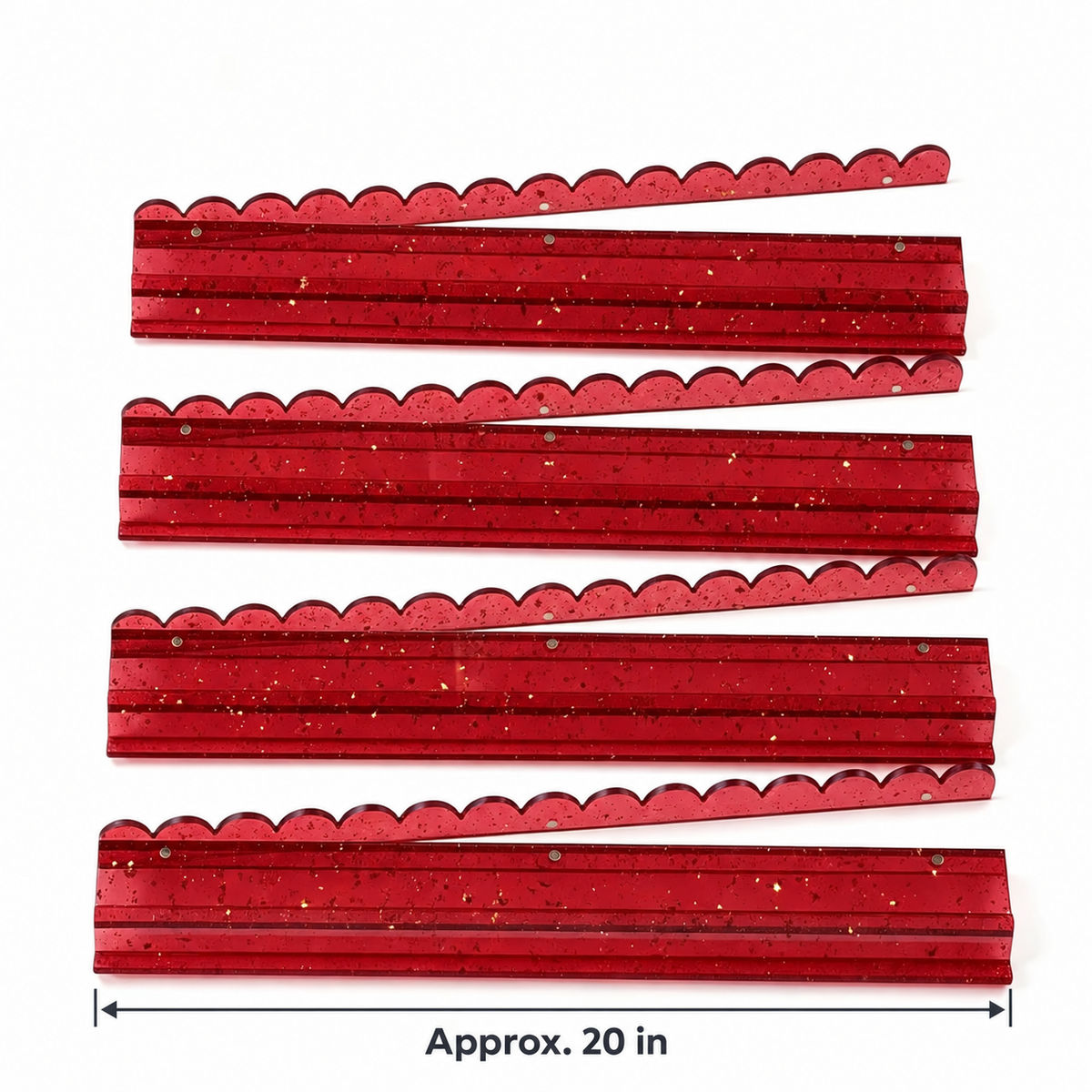
Small hands often benefit from slim or standard-width pushers; a wide pusher can feel unwieldy and slow down your rhythm. Large hands may feel cramped with slim pushers and perform better with standard or wide profiles. If you have arthritis or limited grip strength, wide pushers with a textured surface reduce fatigue. Speed players usually choose acrylic or bamboo (fast-sliding); comfort-focused players prefer wood or bone (forgiving, warm). Social players care most about aesthetics and comfort; tournament players prioritize speed and consistency. One honest rule: the "best" pusher is the one you forget about—it should feel natural, never a barrier between you and the tiles.
✨ Find your Mahstead set — free US shipping →
How to test pushers before committing
If you're buying from an unfamiliar seller, ask whether they offer a trial window. Request photos from multiple angles—you want to see how thick they are, whether the surface is smooth or textured, and how they sit in a sample rack. If you're buying online, check whether the seller's return or exchange policy covers fit issues. Many experienced players visit a local mahjong club or meetup (community centers, libraries, and country clubs often host tables) and ask to try different pusher pairs—a five-minute hands-on test is worth more than any description.
Common beginner mistakes: buying the cheapest option and then struggling with poor glide or grip; choosing pushers that don't fit your specific rack model; ignoring material-to-tile compatibility (acrylic tiles with bone pushers can create drag). Avoid these by confirming rack compatibility and testing if possible.
What's included when you buy a rack with pushers?
Most racks from our mahjong racks with pushers collection arrive as a complete set: two racks (one for each player, or both for the tile holder), a matching pair of pushers, and often joker slots and a tile divider. Some buyers prefer to buy racks and pushers separately if they already own a set or want to customize materials. If you're hosting weekly games and want a polished setup, bundled racks and pushers are convenient; if you're upgrading an existing rack, buying pushers alone (with compatibility confirmation) saves money.
Pair your racks with a high-quality mahjong mat to anchor your setup and protect your table surface. Many players also add a mahjong bag or case if they transport their set between home, friends' houses, or a club.
Real-world pusher decisions: A quick reference
You're a weekly tournament player? Choose standard or slim acrylic or bamboo pushers in a neutral tone. Speed and consistency matter; aesthetics come second. Confirm compatibility with your tournament's standard rack before buying.
You're hosting monthly social games? Pick pushers in a tone that matches your set and mat—aim for visual coherence. Standard-width wood or acrylic feels professional and welcoming. Comfort over speed.
You're a beginner just building your table? Start with a bundled rack-and-pusher set from our best-selling collection. It's simpler than buying separately, usually well-matched, and most options are forgiving for new hand movements. You can always upgrade later.
You're collecting multiple sets? Invest in one high-quality, neutral pusher pair (wood or bone, standard width) and one decorative pair that matches your favorite set. This covers both speed play and impressive hosting.
FAQ
Do pushers matter if I'm just playing casual home games?
Yes. Pushers keep your tiles clean, make melds visible to all players, and make the game feel organized and respectful—even casual games benefit. They're not optional.
Can I use any pushers with any rack?
No. Rack slot widths and depths vary by manufacturer. Always confirm compatibility before buying, or buy a bundled set that's designed to fit together.
What's the most common pusher mistake?
Buying pushers without testing them with your actual tiles and rack. Glide, grip, and fit vary hugely. If possible, borrow a friend's pushers for one game before committing.
Are expensive pushers worth it?
Quality bone or premium wood pushers last longer and feel better, but a mid-range standard-width acrylic or wood pair works fine for social players. Speed-focused players see more return on premium pushers.
How do I know if my pushers are too light or heavy?
Push a pung (three tiles) from one end of the rack to the other. It should glide smoothly without tilting or jamming. If you're straining or over-correcting every push, your pushers may be mismatched to your grip strength or tile thickness.
What if my pushers crack or wear out?
Quality wood and acrylic pushers last years with normal play. Bone is durable but can chip if dropped. Buy from sellers who stand behind their products; ask about replacement or repair options before you buy.


View More
View More
View More
