
How to Choose a Mahjong Wind Indicator: A Buyer's Guide
Last updated: Nov 23, 2026
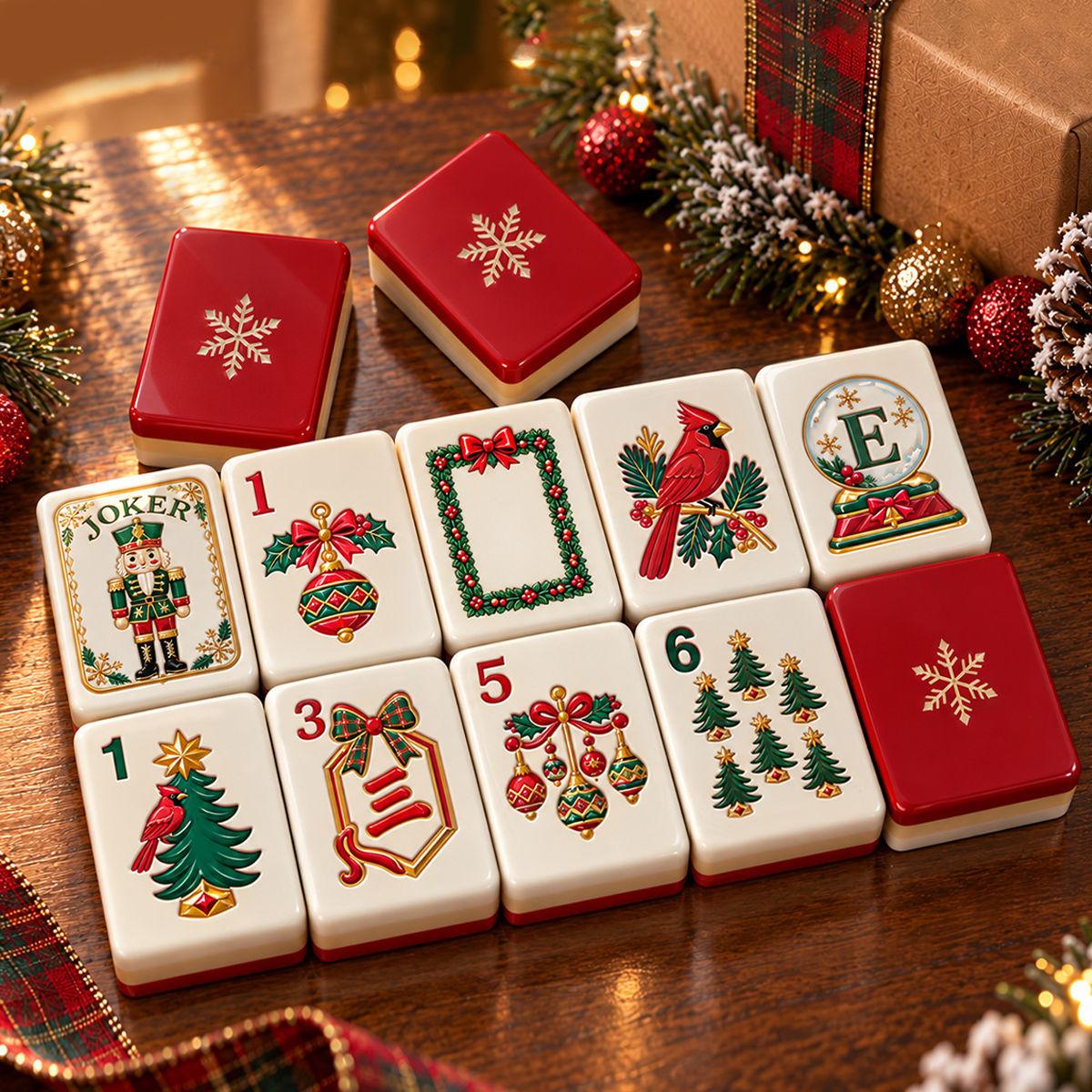
A wind indicator is a tile or marker that designates the current dealer (East wind) and rotates clockwise after each hand to show the active wind for the round. In American mahjong, the wind matters for hand values, seating rules, and game flow. You can buy a standalone indicator (usually a tile or engraved marker) or get one as part of a full best-selling mahjong set, which often includes coordinated racks, mats, and accessories. Standalone indicators range from simple plastic wind tiles to engraved acrylic pieces that match your set's aesthetic. Check visibility from across the table, material durability (acrylic or tile lasts longer than paper or thin plastic), and whether it coordinates with your set design—mismatched indicators look awkward during play. Mahstead's acrylic sets include wind indicators that integrate with your racks and mats for a cohesive table setup. 🀄 Shop best-selling mahjong sets →
What role does the wind indicator play in American mahjong scoring?
The wind indicator marks which player is East (the dealer), and the round number (0–3, for winds North, East, South, West) is baked into the hand value calculation. If you're East and hold a hand that would normally score as a 40-point pung, it may double or triple depending on the round wind. Misreading or losing track of the wind means players may score incorrectly, argue over payouts, or restart a round. The indicator prevents confusion by keeping the wind visible to all four players throughout the entire hand.

Should you buy a standalone wind indicator or one bundled with a set?
Scenario | Best choice | Why ---|---|--- You already own a set and need to replace a missing indicator | Standalone indicator tile or marker | Cost-effective; matches most standard tile sets You're buying your first set | Full bundled set with indicator included | Indicator coordinates with your racks, mat, and tiles; consistent look; simpler setup You host weekly games and want multiple sets | Bundled set + standalone backups | Backup indicators prevent game delays if one breaks or gets lost You play travel mahjong (portability matters) | Bundled travel bag set | Indicator fits inside organized case; everything stays together
Bundled sets are the simpler choice unless you need a spare or are replacing a single lost piece.
What materials last longest for a wind indicator?
Acrylic and ceramic tiles hold up best through hundreds of hands; they resist fading, chipping, and warping. Plastic indicators wear faster—paint fades, edges crack—and paper or printed markers bleach under bright light. If you play weekly or more, invest in acrylic or ceramic; the durability pays off within a year. Mahstead's acrylic American mahjong sets include engraved wind indicators that won't fade or scratch easily, keeping your setup looking sharp after seasons of play.
🎁 See our most-loved mahjong sets & accessories →
How do you set up a wind indicator at the start of play?
Place the indicator tile on the table in front of the East player before the game begins. The wind tile faces the center of the table so all four players can read it clearly from their seats. The player holding East wind is the dealer; after that hand ends, rotate the indicator clockwise to the next player's position. If you're playing multiple rounds (Round 1, Round 2, etc.), move the indicator one wind clockwise for each new round. Some groups mark the round number on paper beside the indicator; others use two separate wind tiles (one for player wind, one for round wind) if house rules demand it. Clear, consistent placement prevents confusion during hand-reading and scoring.

What visibility features matter most when choosing a wind indicator?
Feature | Why it matters | What to check ---|---|--- Large, legible wind symbols (N/E/S/W) | Players read the wind from up to 10 feet away without leaning in | Engraved or embossed lettering, not small printed text High contrast between tile color and symbol | Reduces eye strain under typical game room lighting | Avoid pale tiles with light symbols; choose bright or dark acrylic Indicator sits flat and doesn't tip over | A rolling or tilted indicator gets bumped during play, causing confusion | Sturdy tile base with a flat bottom; not a thin, lightweight token Indicator matches your set's tile design | Cohesion on the table; easier to spot because it's part of your visual theme | Verify it comes with your set; if buying standalone, compare tile finish (matte, glossy, engraved)
The best indicator is one you don't have to ask about mid-hand—it sits in plain sight and broadcasts the wind at a glance.
Can you use a wind indicator from a different mahjong variant in American play?
Technically yes, but not recommended. Chinese or Riichi mahjong sets sometimes use smaller wind indicators or different wind orderings (some start with South, not East). American mahjong is rigid: East is the dealer, winds rotate clockwise, and the round wind affects scoring on the official card. If your borrowed indicator is tiny or misaligned, it confuses new players or causes disputes. Better to use a standard American wind tile or buy a replacement that matches American rules. If you play multiple variants, keep separate indicators clearly labeled to avoid mix-ups.
✨ Find your Mahstead set — free US shipping →
What to check before you buy
Verify the wind indicator comes with your set. Open the product description and check the parts list. Some discounted sets may not include it; ask before ordering.
Confirm the tile is acrylic (not plastic). Acrylic resists fading and chipping; plastic wears fast. Look for the material specification on the product page.
Check the engraving or printing clarity. If buying a spare standalone indicator, order from the same set maker so the finish matches your existing tiles.
Measure the indicator's size against your set's rank tiles. It should be slightly taller or brighter so it stands out without looking out of place.
Test visibility under your game table's lighting. If you play indoors at night, darker acrylic with light engraving works better than pale tiles with dark symbols.
Confirm the indicator rotates freely if it's part of a multi-piece wind marker. Some markers lock or jam; test the mechanism before your first hand.
Most issues stem from buying a mismatched indicator or one that's too small to read. Mahstead's best-selling sets ship with coordinated indicators; free US shipping means no surprises when it arrives.

FAQ
What happens if a wind indicator goes missing during a hand?
Pause the game, note the current wind on paper, and retrieve a backup indicator or note the wind verbally. Do not restart the hand unless the wind affects the score—most hands don't hinge on knowing the wind mid-play. Always keep a spare wind tile in your set case or bag.
Can the wind indicator tile be used as a regular playing tile if it breaks?
No. The wind indicator is separate from the 152-tile deck and should never enter play. If it breaks, replace it with a spare or use a paper note until you get a new one. Mixing the indicator into the tile pool corrupts the deck count and voids the game.
How often do wind indicators break or wear out?
With weekly play and proper storage, a quality acrylic indicator lasts 5–10 years. Plastic wears faster (1–3 years). Store it in a mahjong bag or case to shield it from drops and moisture. Avoid stacking heavy objects on top of your set box.
Should the wind indicator be visible during the Charleston (the tile exchange before the hand starts)?
Yes. The wind indicator stays on the table throughout the Charleston. It's part of the setup and helps players orient themselves. Don't move it until the Charleston is complete and the hand begins.
Is the wind indicator required by official American mahjong rules?
Yes, for scorecard integrity. The National Mah Jongg League rules assume a wind indicator is in use. Casual home games might skip it, but it's essential for scoring accuracy, especially if players are unfamiliar with the hand values or if you're learning.
What's the difference between an "East wind indicator" and a "wind round indicator"?
The East wind indicator marks which player is dealing (East). A wind round indicator marks which round (North, East, South, West) is being played. Some groups use one tile for both; others use two separate tiles. Check your house rules or the National Mah Jongg League guidelines for your group's standard.


View More
View More
View More
