
Hong Kong Mahjong Minimum Points to Win: Rules & Hand Values
Last updated: Nov 23, 2026
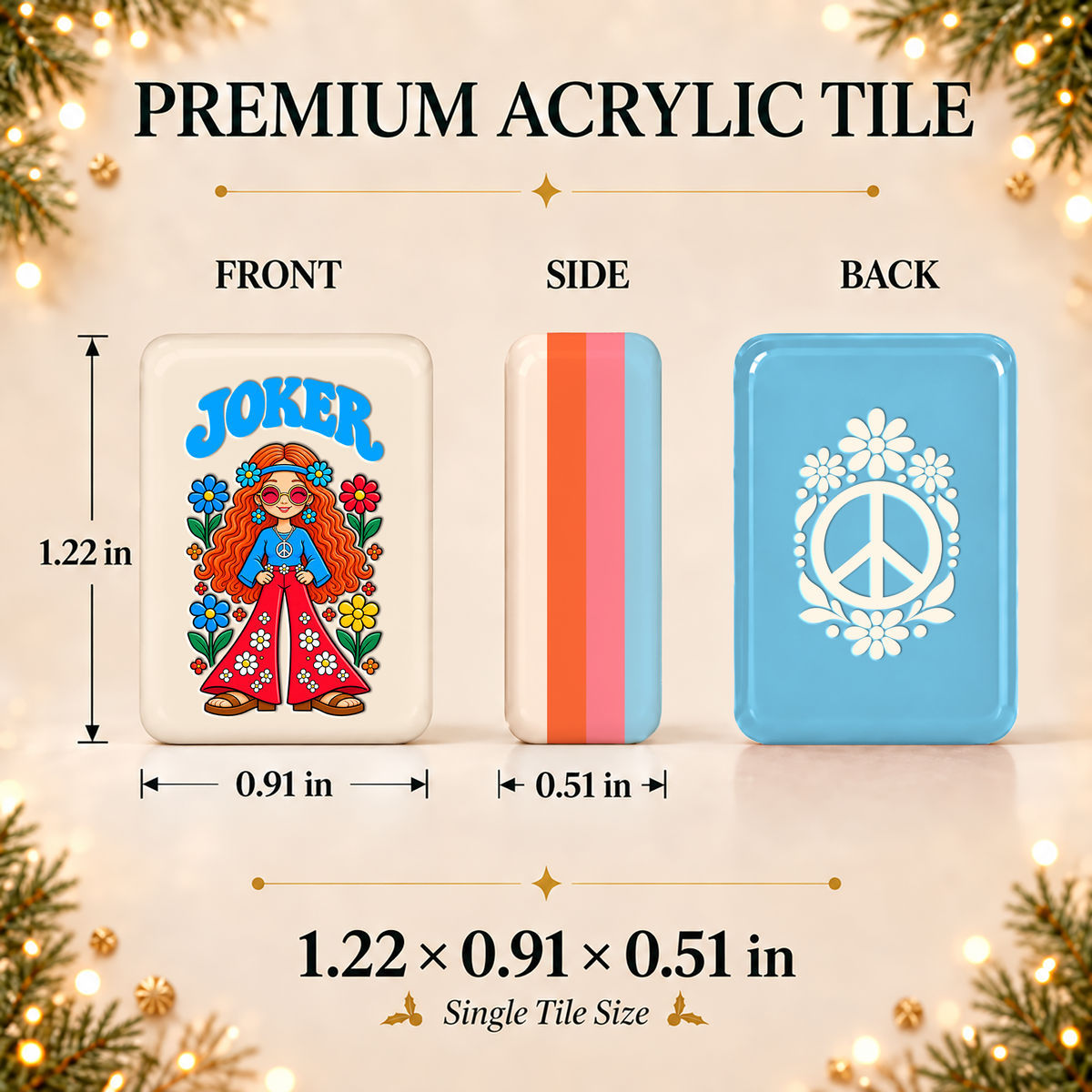
In Hong Kong mahjong, there is no numerical minimum points requirement to win—any completed, legal hand wins immediately. Unlike American mahjong, which requires hands only from the current year's National League card, Hong Kong mahjong allows you to form any valid combination of chows (sequences of three consecutive tiles), pungs (three identical tiles), kongs (four identical), and a pair. You must declare mahjong (the winning tile) either by drawing it or receiving it as a discard. Winning is binary: you either hold a legal hand or you don't. Points (called fan) are calculated after the win and depend on tile sets, winds, dragons, and special bonuses—but having zero points still counts as a win. Most home games set house rules for minimum earning thresholds (often 1 or 2 fan) to make play more strategic, yet the baseline rule is: complete a legal hand, call mahjong, and you win.
What Makes a Valid Hong Kong Hand?
A legal Hong Kong hand has four melds (pungs, kongs, or chows) and one pair—exactly 14 tiles. Every meld must follow strict rules: a chow must be three consecutive numbers in the same suit (e.g., 3-4-5 Craks), a pung is three identical tiles, and a kong is four identical tiles. Unlike American mahjong, which allows sequences but cannot use them to be called or exposed from your hand, Hong Kong play treats chows and pungs equally—both can be formed from drawn tiles or discards. The pair must be two identical tiles; honour tiles (winds and dragons) can form pairs, pungs, and kongs but never chows. If you hold four melds and a pair that satisfy these rules, you have a winning hand—regardless of the point total.

How Are Points Calculated in Hong Kong Mahjong?
Points in Hong Kong mahjong are measured in fan (double, where one fan typically equals two base units). A hand with zero fan is called "chicken hand" (pei hu, no scoring elements)—it wins but earns minimal payment. Points accumulate based on patterns: having two dragons (2 fan), three dragons (6 fan), four winds in your hand or melds (13 fan), all same suit (8 fan), and many others. Some hands score exponentially higher: seven pairs (25 fan), nine gates (88 fan), big four winds (88 fan). The point value of a winning hand determines how much losers pay the winner, typically using a multiplier system (e.g., base amount × 2^fan). However, because zero fan is a legal win, most casual home players adopt house rules that set a minimum (1 or 2 fan) to avoid repeated low-scoring wins that slow pace. Without a house rule, you can and do win on zero fan.
How Does This Differ From American Mahjong Rules?
American mahjong is heavily constrained by the National Mah Jongg League card, issued each spring—you may only form hands listed on that year's card. Hands include specific patterns of concealed pairs, pungs, kongs, quints, and sextets; sequences (chows) are printed on the card but cannot be called or exposed during play as they are in other variants. You play with exactly 152 tiles and 8 jokers, and jokers cannot fill a pair position or stand alone. Hong Kong mahjong, by contrast, allows infinite hand combinations—you build any legal chow-pung-kong-pair structure and declare mahjong freely. There is no official card; any meld pattern is valid if tiles are consecutive or identical. Jokers and blanks do not exist in classical Hong Kong play. American mahjong has a formal Charleston (tile-passing ritual) before each hand; Hong Kong begins with a kong (drawing from the live wall) or pass until someone draws. The two games feel like different sports: American emphasizes card memorization and strategic concealment, while Hong Kong rewards pattern recognition and rapid play.
Should You Set a House Rule for Minimum Points?
Many home groups in North America and Asia play Hong Kong mahjong with a house rule stipulating a minimum of 1, 2, or 3 fan to win—especially in friendly games where winning on zero fan happens too often and slows momentum. The rationale is twofold: it creates tension (you want a better hand, not just any hand) and it keeps payouts meaningful. Some groups raise the minimum only after a certain number of hands have passed, resetting the threshold to force longer play. Others allow zero fan but assess lower payouts. Before your first game, ask your host or group whether they use a minimum, and if so, what it is—house rules vary widely and are not standardized across venues or regions. Writing down your group's rules and reviewing them before each session prevents disputes. If you are teaching newcomers, zero-fan wins can feel anticlimactic; setting a 1-fan minimum is a practical way to encourage players to study hand values without complicating the core rule set.

Common Mistakes to Avoid
New players often confuse Hong Kong rules with Cantonese or Taiwanese variants, which have additional elements like flowers and seasons. In pure Hong Kong mahjong, suits are Bamboo, Character, and Dot (the same three as American mahjong), plus winds and dragons; there are no flowers or seasons. Another trap: assuming your hand is complete when you have four melds and something that looks like a pair—verify you have exactly two identical tiles for the pair, not a triplet that you've miscounted. A third mistake is discarding too casually; in Hong Kong play, discards are fed to opponents who may claim them immediately to complete a meld, so hold safe tiles and discard honors (winds and dragons) early unless they fit your hand. Many beginners also forget the rule of buenas or tenpai in some variants: you must declare when one tile away from mahjong, which can lock you into that hand if called. Clarify this rule with your group before starting. Finally, do not assume a tile has been discarded or played without watching the discard pile—tables with fast pace and multiple people talking simultaneously make it easy to miss crucial information.
Setting Up Your Home Games: Gear That Matters
If you are hosting regular Hong Kong mahjong sessions, a quality set and mat make a significant difference in pace and clarity. Our best-selling mahjong sets come with 160 tiles (152 playing tiles plus spares), acrylic construction that resists wear, and clear engraving—crucial when hands move quickly and you need to read tiles from across the table. A large, padded mahjong mat gives each player a dedicated zone and protects tiles from sliding. We recommend mats with contrast-colored zones so discards sit visibly separate from your hand. Acrylic tiles are louder than bamboo when clacked—traditional music for serious players, but a practical benefit is that you hear when melds are declared and tiles are moved, which keeps everyone attentive. Mahjong racks with pushers help organize your 14 tiles neatly and speed up play because you see your hand at a glance rather than fumbling with loose tiles. For frequent hosts, a sturdy mahjong bag or case protects your set between games and makes transport seamless—especially important if you rotate hosting duties.
Feature | Impact on Hong Kong Play | Why It Matters |
Acrylic tiles | High readability, fast grip | Quick melds reduce table confusion |
Large mat | Defined discard zones | Prevents accidental tile mixing |
Racks + pushers | Organized hand display | Visible play speed; fewer miscounts |
Spare tiles | Emergency replacements | Continuous play without delay |
Padded bag | Safe transport | Consistent set quality over years |
🀄 Shop best-selling mahjong sets →
Teaching New Players the Scoring Path
When introducing Hong Kong mahjong to American players or beginners unfamiliar with variants, start by explaining that winning is not tied to points—the first skill is hand completion. Teach the four-meld-plus-pair structure before touching fan calculation. Have beginners practice spotting legal chows (consecutive numbers same suit) and distinguishing them from pungs (same tile, same suit). Use simplified house rules: no minimum points for the first hour, then introduce a 1-fan floor. This pacing prevents decision paralysis. Show a few high-fan hands (like seven pairs) so players understand they are chasing shapes, not just any valid combination. A printed reference card listing the top 10 hand types (seven pairs, all simples, mixed terminals, etc.) at your table is invaluable. After three or four sessions, most players intuitively grasp which hands score and begin building toward them. Hong Kong mahjong rewards pattern memory and speed far more than American mahjong; emphasize this culture shift so newcomers know what to expect.
🎁 See our most-loved mahjong sets & accessories →
What to Check Before You Buy or Host
Tile clarity: Can you read engraved symbols from 2 feet away in normal home lighting? Acrylic sets with high-contrast engraving solve this.
Mat surface: Is it non-slip? Do discard zones have visual borders? A mat prevents tiles from sliding during quick play.
Complete tile count: A standard Hong Kong game uses 136 tiles (same three suits 1–9 × four copies each, plus 16 winds, 12 dragons—no flowers). A 160-tile acrylic set includes spares, which is helpful if any tile cracks or goes missing.
House rules documented: Write down your group's minimum-fan rule, kong-drawing rules, and any local customs. Ambiguity causes arguments mid-game.
Hosting rotation: If hosting weekly, confirm who brings snacks, who records scores, and whether games are friendly or ranked.
✨ Find your Mahstead set — free US shipping →

FAQ
Can you win on zero points in Hong Kong mahjong?
Yes. A zero-fan hand (called "chicken hand") is a legal win. Most casual home groups adopt a house rule for a minimum (1–3 fan) to increase stakes and pace, but the baseline rule permits zero-fan wins.
What tiles are used in Hong Kong mahjong?
Standard sets have 136 tiles: Bamboo, Character, and Dot suits (1–9, four of each = 108), 16 winds (four each of North, East, West, South), and 12 dragons (four each of Red, Green, White). No flowers or seasons in pure Hong Kong play.
How many tiles do you need in your hand to win?
Exactly 14 tiles: four melds (pungs, kongs, or chows) and one pair. A meld is three identical tiles (pung), four identical (kong), or three consecutive numbers in the same suit (chow).
Is the Charleston used in Hong Kong mahjong?
No. The Charleston is an American mahjong convention. Hong Kong play begins with drawing from the wall (called kong) and passing tiles in hand until someone draws or claims a discard—much simpler and faster.
How do you know if a hand earns more fan than another?
Point value depends on patterns: two dragons (2 fan), same suit (8 fan), seven pairs (25 fan), etc. After winning, count which patterns your hand holds and sum the fan. Most groups use a reference sheet or scorer app to calculate payouts.
Can I use jokers or blanks in Hong Kong mahjong?
Classical Hong Kong play has no jokers or blanks. Some modern home groups adopt them as wildcards (similar to American mahjong), but this is a house rule variation, not standard play. Clarify with your group before starting.


View More
View More
View More
