
Green Mahjong Tote: What to Look For When Choosing a Bag
Last updated: Nov 23, 2026
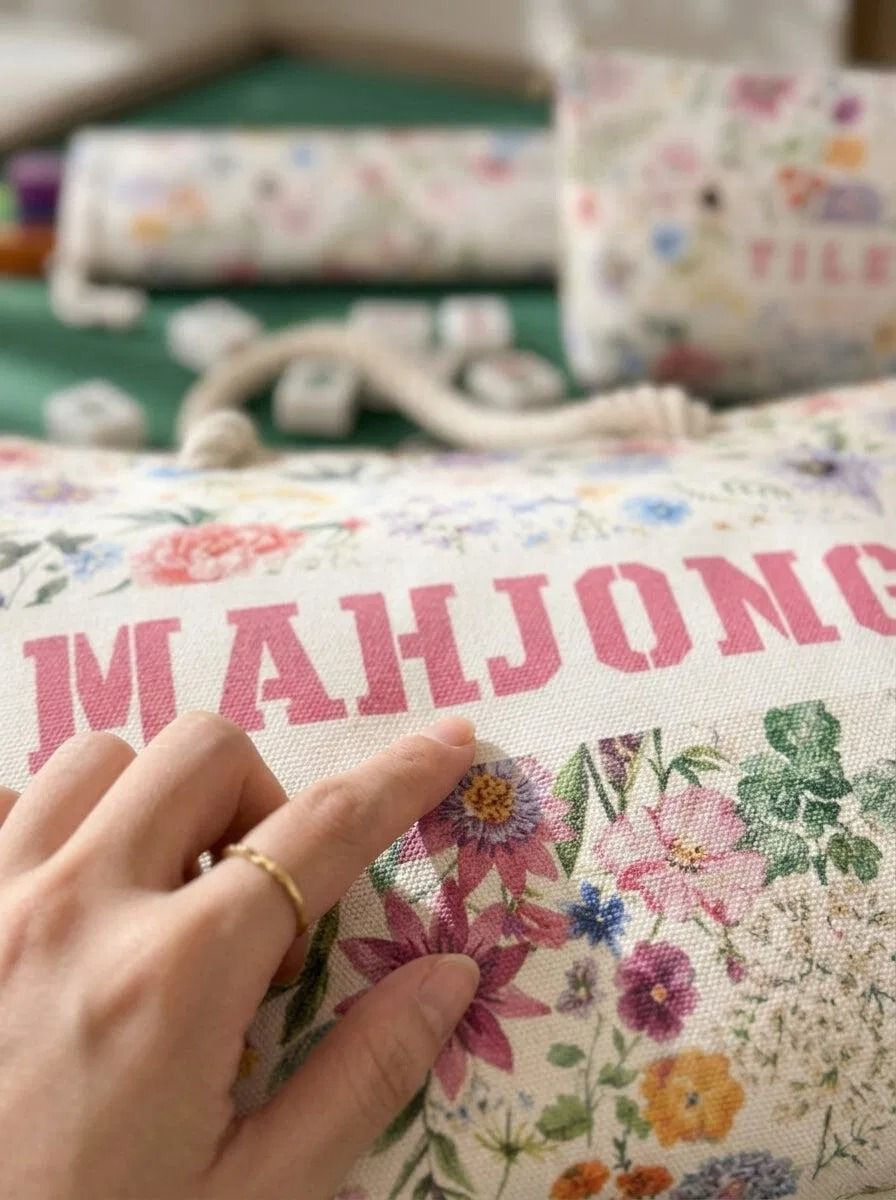
A green mahjong tote is a carrying bag sized and padded for a 160-tile acrylic set, mat, racks, and dice—typically 15–18 inches wide, made from nylon, canvas, or reinforced polyester, with interior or exterior pockets. Green options range from solid jewel tones to printed designs. Most sit between shoulder and crossbody strap styles and can hold a complete game kit without overflow. Choose based on how often you travel, whether you need weather resistance, and if you want pockets for scorecards or pushers. Our travel bag collection includes totes that pair with most best-selling mahjong sets and are designed by players for weekly transport—no squeeze, no damage.
🀄 Shop best-selling mahjong sets →
What does a mahjong tote need to hold?
Your green tote must fit a 160-tile set in its box or case, a mat (usually rolled or folded to 12–14 inches), racks with pushers, and dice. That's roughly 5–7 pounds of gear. Most totes designed for mahjong are 16–18 inches wide and 10–12 inches tall, with a gusseted bottom for depth. If you're also carrying a scorebook, pen, or joker tiles in a small pouch, you'll want at least two pockets—one exterior for quick access, one interior to keep tiles from shifting. A tote with a rigid frame or structured sides prevents the set from getting crushed if you set the bag down hard or stack items on top of it during transport.

How do size and material affect portability and durability?
A small tote (14–15 inches) fits a set and mat but leaves no room for extras; you'll make two trips or overstuff. A medium tote (16–17 inches) is the sweet spot for one-bag play. A large tote (18+ inches) works if you host and carry multiple sets or teaching aids. Material matters: canvas and nylon are lighter and fold flat for storage; reinforced polyester or ballistic nylon resist spills and wear but weigh slightly more. Handles should be at least 2 inches wide and stitched at multiple points to avoid splitting under weight. Look for a tote that won't fray or tear after a season of weekly games—quality stitching and bar-tacked corners outlast thin seams.
Should you prioritize weather protection or style?
Green totes come in two categories: functional (plain solid, water-resistant coated nylon, sealed seams) and playful (printed designs, embroidered accents, lighter canvas). If you live in a climate with rain or transport your tiles in a car trunk, water-resistant material and a top zipper or snap closure justify the choice. If your game room is indoors and you're mostly concerned with scratches and dust, a durable canvas tote with open or drawstring top works fine. Many players choose printed or engraved designs because they make the bag easy to spot in a crowd and add personality—this doesn't sacrifice function as long as the material is still robust. A green tote with a mahjong-themed print or custom engraving becomes a conversation piece at your weekly game without compromising practicality.
🎁 See our most-loved mahjong sets & accessories →
What's the difference between a tote, a case, and a dedicated mahjong bag?
Bag Type | Best For | Capacity | Durability | Portability |
Tote | Casual play, weekly games, light travel | Set + mat + racks | Medium (canvas frays, nylon creases) | High (lightweight, soft sides) |
Hard Case | Storage, car transport, frequent travel | Set + mat + racks + backups | Very high (molded plastic, locks) | Low (heavy, rigid, awkward) |
Dedicated Mahjong Bag | Serious players, league games, tournaments | Set + mat + racks + dice + scorecards | High (custom pockets, reinforced corners) | Medium (structured, specialized) |
A tote is fastest to grab and easiest to carry by hand or over a shoulder. A hard case protects against spills and crushing but is bulkier. A dedicated mahjong bag (often called a "player's bag") includes interior organization—dividers for tiles, a pocket for the mat, and a spot for pushers—making it the most efficient choice if you play weekly. A green tote works best if you value speed and casual style; a dedicated bag is your investment if you want everything in its place every game.

What should you check before you buy?
Before ordering a green mahjong tote, confirm these details:
Interior dimensions: Measure your set box or case width and the mat when rolled. Your tote should be at least 2 inches wider and taller to prevent jamming.
Handle attachment: Press firmly on the handles. They should not twist or separate from the bag. Bar-tacked stitching at corners is a sign of durability.
Pocket placement: If you need quick access to dice or scorecards, check that exterior pockets are secure and not so deep that items fall to the bottom.
Closure type: Decide between open top (fastest loading), drawstring (secure but slower), or zippered (most secure, slightly heavier).
Weight when empty: Lift it. A quality mahjong tote is light enough to carry one-handed but doesn't feel flimsy. Cheap totes feel plasticky or undersewn.
Color fastness: For green totes, ask if the dye is colorfast or if it bleeds onto tiles in humid conditions. Darker greens (forest, hunter) hide stains better than pastels.
Return or exchange policy: Make sure you can swap it if the handles fail or seams split within a reasonable window.
Visit our travel bag collection to browse options side-by-side, read descriptions that note interior organization and material, and see photos of packed sets so you know exactly what fits.
Why players often pair totes with custom or engraved sets
Many of our players who invest in an engraved mahjong set with custom titles or a themed seasonal set also choose a matching or complementary tote. A green tote pairs well with sets that feature bam or dot suits with green accents, creating a cohesive look at the table. It's not just aesthetics—a branded or color-coordinated bag reduces the chance of tiles getting mixed up if multiple players bring sets to a game. An engraved tote (with initials, a mahjong pun, or a player's name) also makes a thoughtful gift for someone starting their weekly game and gives them one less thing to shop for. Pairing a quality set with a dedicated bag signals that you're serious about the game and care for your tiles.
✨ Find your Mahstead set — free US shipping →
Green tote care and longevity
To make your tote last through multiple seasons:
Empty it after each game. Don't leave tiles, mats, or racks inside long-term; moisture and weight stress the seams.
Wipe the exterior monthly with a dry or slightly damp cloth to remove dust and prevent mildew on canvas.
If it gets wet, air-dry it flat or hung upside down, not in direct sun (which fades green dyes).
Reinforce handles if they start to fray. A few stitches at stress points now prevent a torn handle later.
Store it empty in a cool, dry place between game seasons.
A well-maintained mahjong tote can serve a player for five years or more.

FAQ
Can I fit a mahjong mat inside a green tote, or does it need to be rolled on the outside?
Most mats roll to 3–4 inches in diameter and 16–18 inches long, so they fit inside a standard tote if the tote is at least 16 inches wide and 12 inches tall. Rolling it around your set box (if your box is rectangular) saves space. Some players prefer an external carrier strap on the bag for the mat. Check the tote's interior depth before ordering.
What's the difference between a nylon and canvas tote for mahjong?
Nylon is water-resistant, lightweight, and easier to wipe clean but can feel plasticky and creases if overstuffed. Canvas is softer, more breathable, and feels more natural, but is heavier and can absorb moisture. For frequent indoor play, either works; for car transport or outdoor events, nylon is better. Canvas totes are more affordable and often come in solid colors, including green.
Are green mahjong totes more expensive than other colors?
Price is set by material, size, and features, not color. A green canvas tote costs the same as a green nylon tote of the same brand and size. Some colors are rarer (like jewel tones), which may affect availability but not typically price. See current pricing on the travel bag collection page.
Can I use a regular tote from a department store instead of a mahjong-specific bag?
A sturdy 16+ inch tote with reinforced seams and a structured bottom can work for casual games. However, mahjong-specific totes have interior pockets and padding designed to prevent tiles from shifting. A regular tote may not protect your set as well from bumps, and it lacks quick-access pockets for dice or scorecards. If you play weekly, a dedicated tote saves time and protects your investment.
How do I know if a tote has enough pockets for all my gear?
Count what you carry: set, mat, racks (often in a drawstring pouch), dice, and scorebook. That's four items minimum. A tote with at least one exterior pocket and one interior pocket, plus a gusseted main compartment, gives you flexibility. An interior zipper pocket keeps small items secure, while an exterior patch pocket lets you grab dice or a pen quickly between rounds.
Will the handles on a green mahjong tote stretch or tear if I carry it every week?
Quality handles last years if they're stitched at corners (bar-tacked) and made of material at least 2 inches wide. Thin, single-stitched handles fail within a season or two of heavy use. Look at product photos or descriptions that note "reinforced handles" or "bar-tacked corners." If a handle does tear, a seamstress can reinforce or replace it inexpensively rather than replacing the whole bag.


View More
View More
View More
