
Catalin Mahjong Tiles: Weight, Feel, and What Matters Most
Last updated: Nov 23, 2026
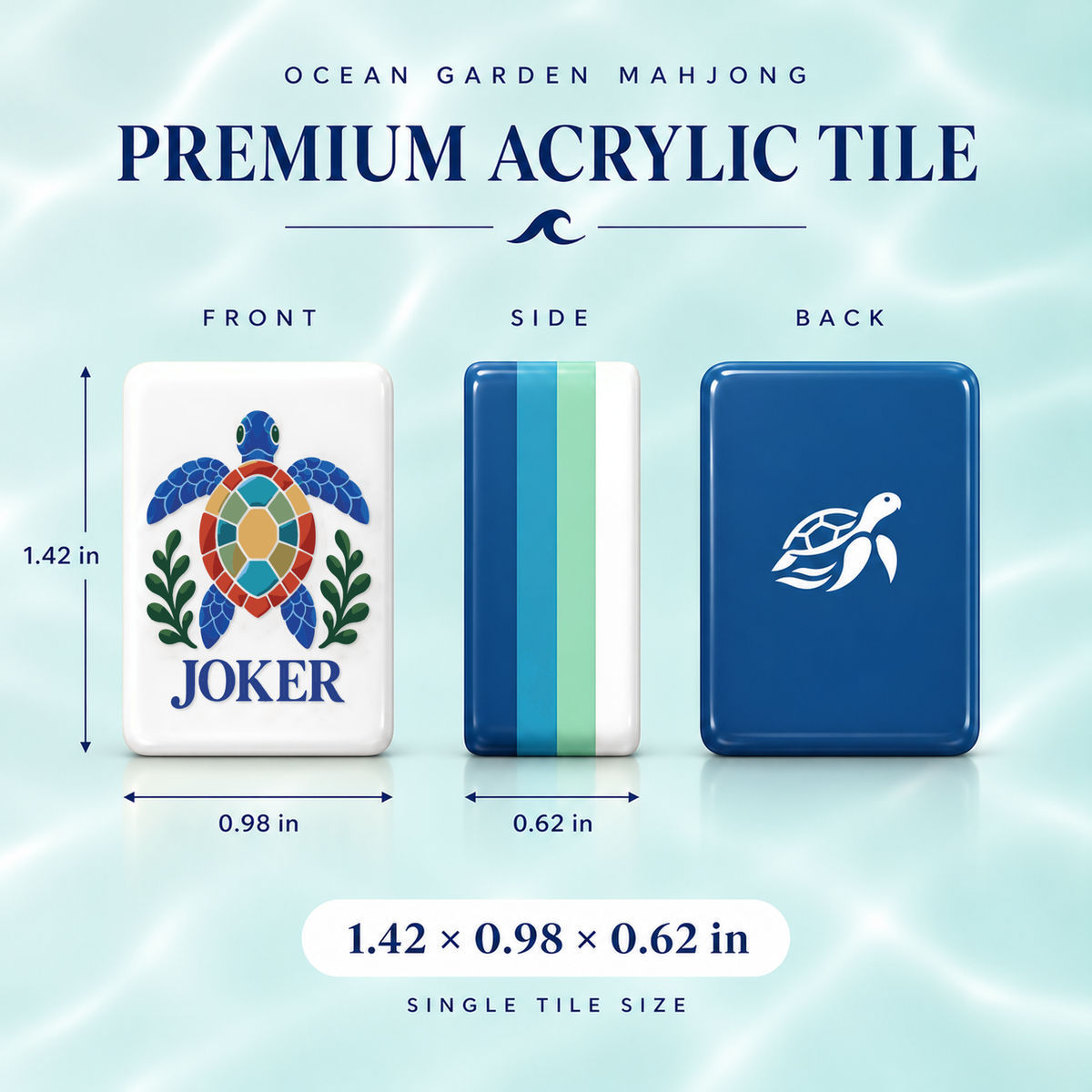
Catalin mahjong tiles are made from cellulose acetate, a thermoplastic that feels denser and warmer in hand than injection-molded acrylic or resin. They typically weigh 2–3 grams per tile (versus 1–1.5 grams for lighter polymers), creating a substantial shuffle and shuffle-sound players love. Catalin tiles resist chipping better, develop a pleasant patina over years of play, and feel closer to vintage bone-and-bamboo sets—but cost more upfront and are less widely available than acrylic. Weight alone doesn't define quality: tile thickness, edge finish, face clarity, and joker consistency matter just as much. Mahstead's engraved American mahjong sets use precision-cut acrylic, not catalin, because acrylic offers superior durability indoors, sharper engraving, and lower environmental impact. The choice between catalin and acrylic depends on your budget, storage conditions, and whether you prioritize vintage aesthetics or modern reliability.
Catalin (cellulose acetate) mahjong tiles are heavier, warmer, and more textured than injection-molded acrylic or resin. They typically weigh 2–3 grams per tile (versus 1–1.5 grams for lighter polymers), creating a substantial shuffle and shuffle-sound players love. Catalin tiles resist chipping better, develop a pleasant patina over years of play, and feel closer to vintage bone-and-bamboo sets—but cost more upfront and are less widely available than acrylic. Weight alone doesn't define quality: tile thickness, edge finish, face clarity, and joker consistency matter just as much. Mahstead's engraved American mahjong sets use precision-cut acrylic, not catalin, because acrylic offers superior durability indoors, sharper engraving, and lower environmental impact. The choice between catalin and acrylic depends on your budget, storage conditions, and whether you prioritize vintage aesthetics or modern reliability.
Why does tile weight matter in mahjong?
Weight creates rhythm, feedback, and confidence during shuffling and play. Heavier tiles (2.5–3 grams each) give your hands tactile feedback when drawing from the wall or organizing your rack. They also resist flipping or tumbling during a riffle shuffle, so the game feels more controlled. Lighter tiles (1–1.5 grams) suit travel bags and casual play because they take up less space and tire your wrists less during long sessions. Neither is "better"—weight is a personal preference. Many players who grew up with vintage bone-and-bamboo tiles prefer 2.5+ grams. Players who host weekly games and swap sets often prefer lighter acrylic for convenience.

How does catalin differ from acrylic tiles?
Catalin is cellulose acetate, a natural thermoplastic (made from wood pulp and cotton linters); acrylic is polymethyl methacrylate (PMMA), a petroleum-based synthetic. Catalin tiles feel warmer in your palm because cellulose absorbs a tiny amount of hand moisture. Over months and years, catalin develops a soft sheen and slight color shift—a patina players find beautiful. Acrylic tiles stay uniform and glossy indefinitely. Catalin is quieter during shuffling (duller clack), while acrylic snaps brighter. Catalin is more brittle if dropped on hard floors; acrylic tolerates accidental impacts better. Neither yellows significantly if stored indoors away from direct sun. Catalin is rarer and costlier; acrylic dominates modern production because it's easier to color, engrave, and mold consistently.
🀄 Shop best-selling mahjong sets →
What tile specs matter beyond weight?
Thickness: Most American mahjong tiles are 6–8 mm thick. Thinner tiles (5 mm) are lighter overall and easier to stack on a mahjong rack with pushers, but feel fragile. Thicker tiles (8 mm) feel sturdy and resist warping if stored in humid closets.
Edge finish: Sharp edges (laser-cut) make tiles easy to grip and look sharp but can be uncomfortable during long games. Beveled or rounded edges take longer to machine but feel smoother in your hand.
Face clarity: Print or engraving should be crisp, not blurry or fading. Test tiles under table light—symbols (Bam, Crak, Dot, winds, dragons) should be legible at arm's length. Jokers should be visually distinct so you don't accidentally grab one as a regular tile.
Consistency: All 152 tiles must feel and sound identical. If some tiles are slightly heavier or thicker, shuffling feels uneven and you'll notice weight shifts during play.

Catalin vs. acrylic: which is right for your game?
Attribute | Catalin | Acrylic | Best for … |
Weight | 2.5–3 g | 1–1.5 g | Catalin if you love vintage feel; acrylic for travel |
Durability | Chips if dropped; scratches fade into patina | Resists chips; stays glossy | Acrylic for weekly games in homes; catalin for careful collectors |
Sound | Dull, warm clack | Bright snap | Catalin for quiet sessions; acrylic for satisfying shuffle |
Engraving | Requires hand-painting or silk-screen (less crisp) | Laser-engraved (sharp, consistent) | Acrylic for engraved custom sets |
Cost | Higher | Lower | Acrylic for beginners; catalin for players who've chosen their style |
Storage | Avoid humidity (can swell slightly) | Indifferent to humidity | Acrylic safer in basements or humid climates |
Patina | Develops over years (part of the charm) | None (stays new-looking) | Catalin if you play 2–3 times weekly for years; acrylic otherwise |
🎁 See our most-loved mahjong sets & accessories →
How do I choose between tiles based on feel, not just specs?
Hold tiles in your hand before buying. A 3-gram catalin tile vs. a 1.2-gram acrylic tile feels completely different—one is solid and substantial, the other airy and responsive. Ask yourself three questions:
How often do you play? Weekly games (2+ times) suit heavier, durable tiles; monthly casual play suits travel-friendly acrylic.
Who holds the tiles? Arthritis or carpal tunnel? Lighter tiles reduce fatigue. Kids or teenagers? Lighter tiles are less tiring. Experienced players? Weight preference is personal.
Where are you storing them? Humid basements or damp closets? Acrylic is safer. Climate-controlled living room? Either material works.
If you've never owned a full set, start with best-selling mahjong sets in acrylic—you'll learn your preference without guessing. Once you know whether you prefer heavy or light, quiet or crisp, upgrade to catalin or specialty variants later.
What to check before you buy
Tile weight: Ask the seller for average grams per tile. 2.5+ grams = substantial; 1–1.5 grams = travel-ready.
Thickness: 6–8 mm is standard. Anything thinner risks warping.
Engraving or print quality: Symbols should be sharp and visible under table light, not faded or blurry.
Joker consistency: Jokers should look and feel obviously different from numbered/wind/dragon tiles—no confusion during fast play.
Edge finish: Run your thumb along an edge. Should feel smooth, not painful after 30 minutes of holding.
Set completeness: American mahjong needs exactly 152 playing tiles plus 8 jokers (160 total in most sets). Verify the box contents before opening.
Return or warranty: Most quality vendors offer 30-day exchanges for defects. Ask before buying.
✨ Find your Mahstead set — free US shipping →

FAQ
Are heavier tiles always better quality?
No. Weight is one factor; thickness, edge finish, engraving clarity, and consistency matter equally. A 2.8-gram tile with blurry symbols is worse than a 1.5-gram tile with laser-sharp printing. Feel matters more than the gram count alone.
Will catalin tiles warp or swell in a humid closet?
Cellulose acetate absorbs moisture slightly and can swell if stored in very humid environments (70%+ humidity, no air flow). Acrylic is more stable. If you live in a humid climate, store tiles in a sealed case or dehumidified space, regardless of material.
Can I mix old catalin tiles with new acrylic tiles?
Not recommended. Catalin and acrylic feel, sound, and weigh differently. During play, the inconsistency will be obvious—you'll notice weight changes as you draw from the wall. Stick to one material per set.
How much heavier is catalin vs. acrylic?
Catalin tiles average 2.5–3 grams; acrylic averages 1–1.5 grams. A full set of 160 tiles in catalin weighs roughly 400–480 grams; acrylic set weighs 160–240 grams. The difference is significant when carrying sets in a mahjong bag to weekly games.
Do catalin tiles develop a yellowish tint over time?
Slightly, but only if exposed to years of direct sunlight. Stored indoors in normal light, catalin tiles stay their original color. The patina that forms is more subtle—a soft sheen and minor color depth, not a visible yellowing.
What's the lifespan of a catalin vs. acrylic set?
Both last 10+ years with normal care. Acrylic stays unchanged; catalin develops patina. Catalin chips more easily if dropped repeatedly, but chips fade into the patina. Acrylic resists chipping but scratches show as white scuffs. Neither material degrades from normal play or shuffling.


View More
View More
View More
