
Book Club Mahjong Tournament Format: Rules & Setup Guide
Last updated: Nov 23, 2026
A book club mahjong tournament is a structured series of games where players compete across multiple rounds, with scores tallied and winners crowned by the end of the session. Most book clubs run one of two formats: a round-robin (each player faces every other player once over 2–4 hours) or a ladder (players advance/drop based on wins). You'll need one American mahjong set per table, each containing 152 tiles plus 8 jokers; scores are recorded on paper or a spreadsheet after each game. The National Mah Jongg League card (valid only that year) governs hands. A typical tournament takes 2–4 hours depending on how many rounds you schedule. Costs are minimal—just the sets, which range based on materials and design. The key mistake: forgetting to agree on scoring rules and hand types upfront, or not printing enough copies of the current year's NMJL card for reference.
What format works best for a book club group?
The two main tournament structures are round-robin and ladder play. Round-robin suits groups of 4–6 players: everyone plays everyone else once, you total final scores, and highest wins. It's fair but time-intensive (a 6-player round-robin with 4 games per player takes 3–4 hours). Ladder format suits larger groups: you seed players by skill, winners move up, losers move down, and you run one or two cycles. Book clubs often prefer round-robin because it's simpler to explain and feels more collaborative. A third option: Swiss-system (players paired by similar records each round) works if you have 8+ players and want fairness without every pairing.
🀄 Shop best-selling mahjong sets →
How do you score a book club tournament?
In American mahjong, each winning hand has a point value from the current year's NMJL card (typically 20–70 points depending on hand complexity). Track the winning player's score each game; after all rounds, add each player's total and rank them. A simpler house rule for book clubs: award 3 points per win, 2 for second place (most payout), 1 for third, 0 for fourth. This eliminates hand-lookup overhead and keeps the mood social rather than competitive. Some clubs add a "furthest from mahjong" penalty (1 point deducted if you discard the tile that lets an opponent win), though this can slow play. The most common tournament mistake is switching scoring systems mid-event; decide before you shuffle.
What supplies do you actually need to host?
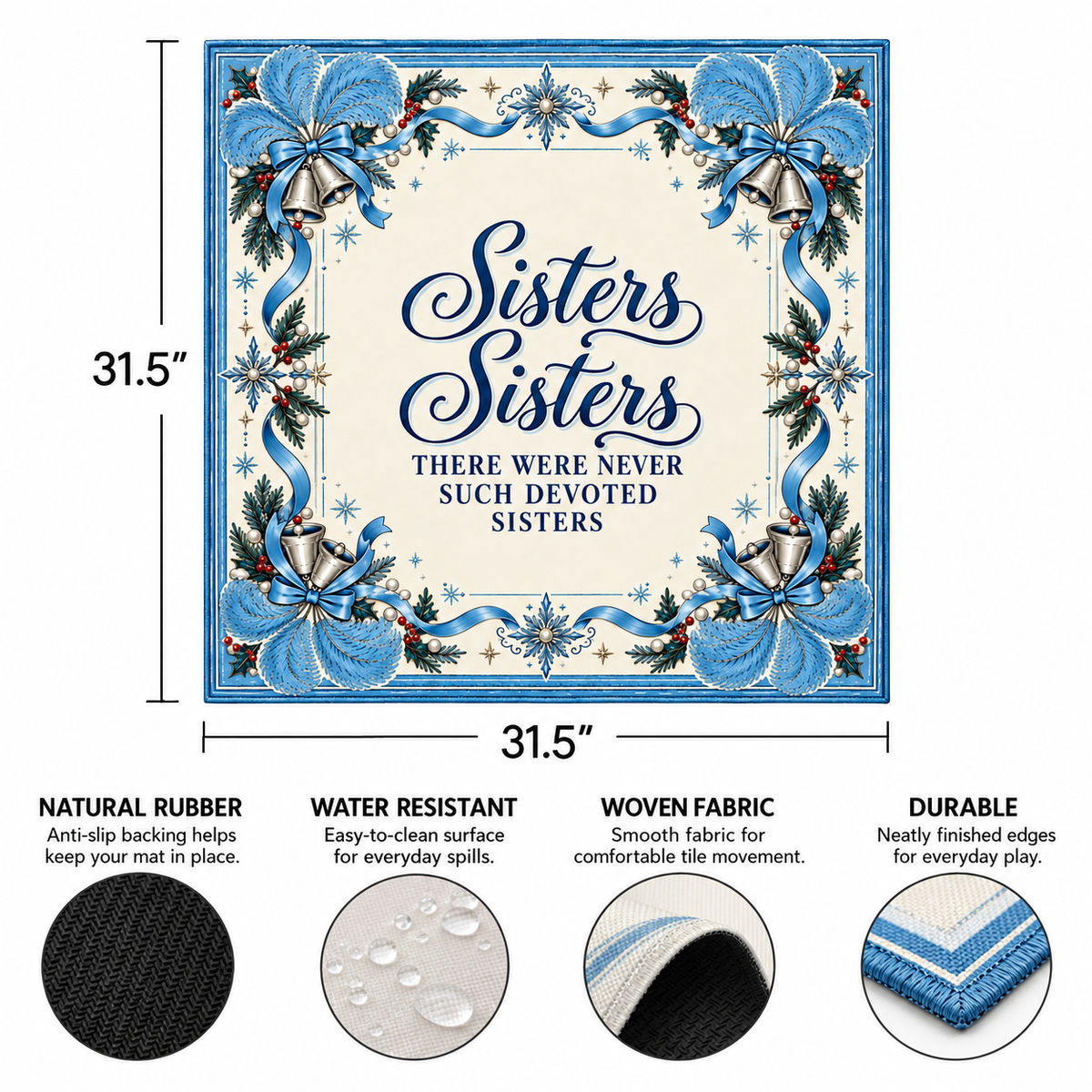
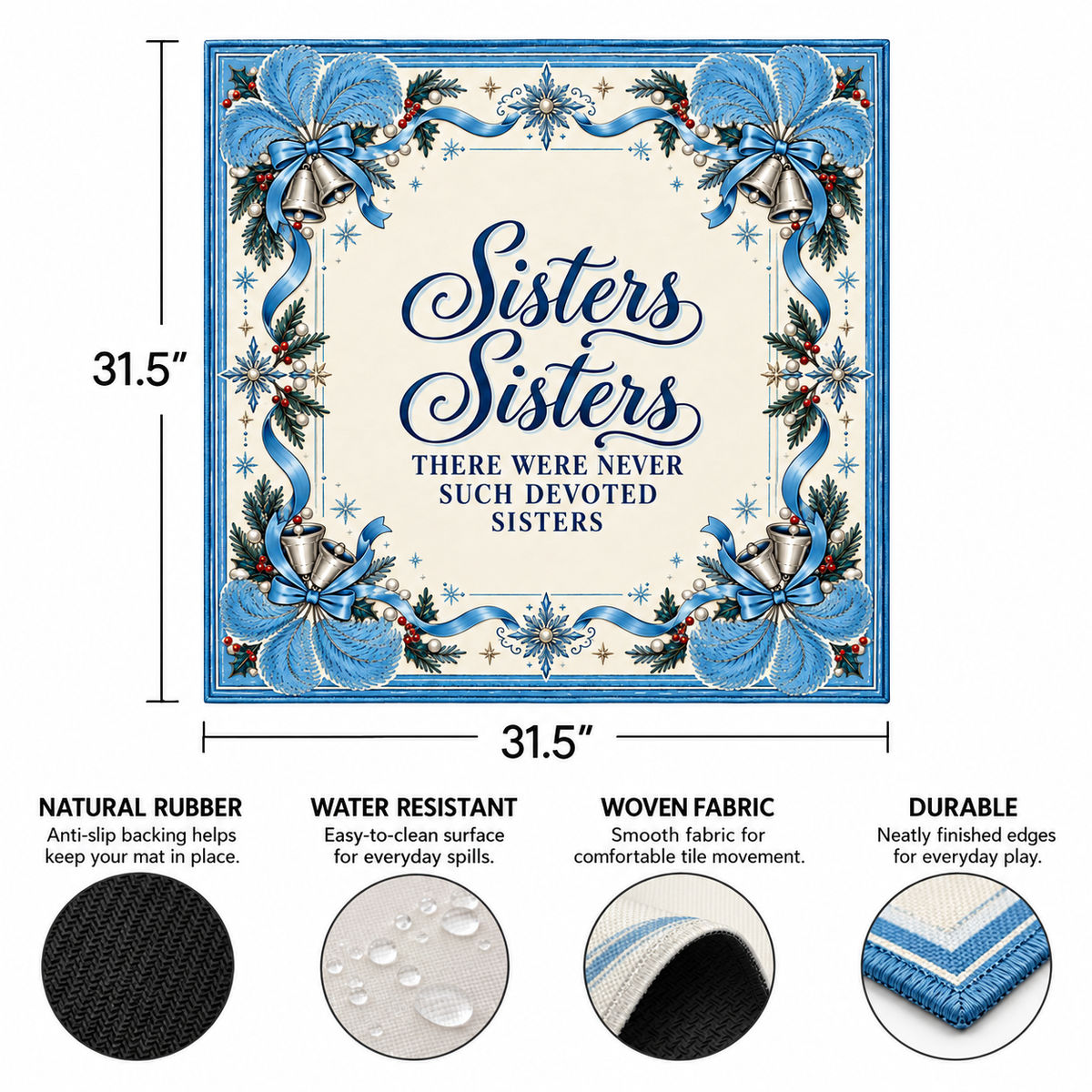
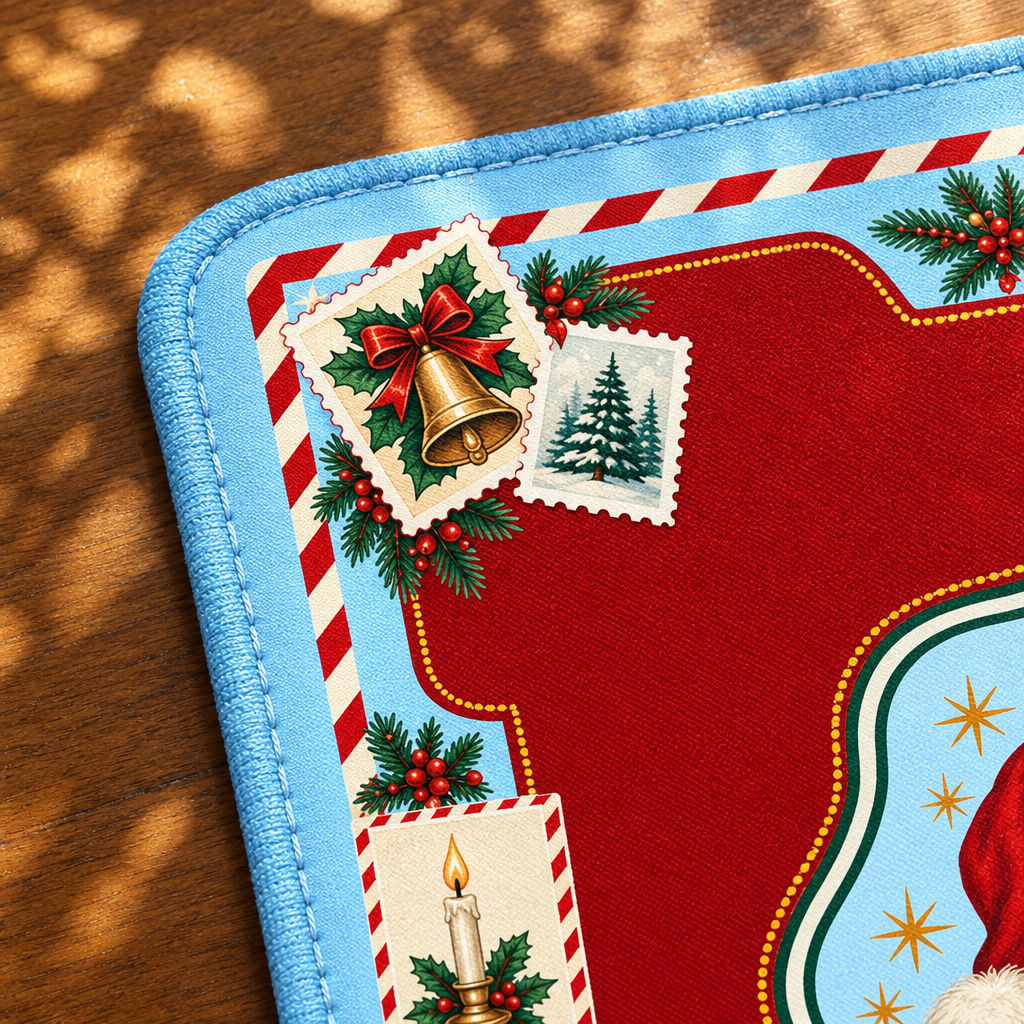
You'll need one best-selling American mahjong set per table (assuming 4 players per table). Each set includes 152 playing tiles and 8 jokers. If you're hosting 8 players, you need 2 sets; 12 players, 3 sets. Print one laminated copy of the current year's NMJL card per table and a scoresheet (plain paper with player names and round columns). A mahjong mat keeps tiles organized and the game quiet—critical in a book club setting. If players use racks with pushers, they'll hold and display tiles more comfortably during longer rounds. A travel bag or case protects sets between games and looks professional when you're hosting at different members' homes.
How long should each round last?
A typical American mahjong hand takes 15–25 minutes at casual pace; tournament play often runs closer to 20–30 minutes as players read hands more carefully. Plan 40–50 minutes per game (including the Charleston tile-passing ritual before play). For a 3-round tournament with 4 players, budget 3–4 hours. Start early; book clubs often underestimate setup time (dealing tiles, reviewing rules, settling disputes) and end time (final scoring, photos, snacks). A common stumble: scheduling a tournament back-to-back with another activity—players feel rushed and the game loses its fun. Build in a 10-minute break between rounds so players can rest and chat.
What rules clarifications prevent table chaos?
Before round one, agree on three house rules in writing:
Exposed vs. hidden discards: most tournaments follow American mahjong standard (you may call jokers and pungs/kongs/quints from exposed discards, but not hidden ones). American mahjong never allows chows (1-2-3 sequences), so confirm your table understands pungs only.
Dead tile rule: if a player discards a tile that's not in the current hand, do they sit out that round or retake the discard? Decide now.
Joker use: jokers can never be played as a single tile or a pair; clarify this before play begins, especially if someone's new.
Post the rules on each table and review them aloud during the first practice hand. The single biggest argument we've seen: a player claiming they could have called a tile under different rules than the table agreed on. Writing it down avoids that.
🎁 See our most-loved mahjong sets & accessories →
How do you handle ties and advancement?
If two players end with the same total score, use a tiebreaker: most games won, then highest single-game score, then first to reach that score in the tournament. Write the tiebreaker rule on your scoresheet before round one. In ladder format, ties move both players up; it's kinder and keeps energy positive. For round-robin, a tie for first place often gets a shared "winner" crown or a small playoff hand—book clubs rarely need a sole champion. Avoid overtime formats unless players explicitly want them; most book clubs value ending on time and staying friendly.
Format | Player Count | Rounds | Duration | Best For |
Round-robin | 4–6 | 4–6 | 2.5–4 hours | Small, familiar groups |
Ladder | 6–12 | 2–3 cycles | 2–3 hours | Larger, mixed-skill groups |
Swiss | 8+ | 3–4 | 2.5–3.5 hours | Fair play without repeating opponents |
What to check before you buy:
[ ] How many sets do you need? (One per table, so 8 players = 2 sets minimum)
[ ] Does your mahjong set have spare jokers? (All Mahstead sets include extras for tournament play)
[ ] Do you have the current year's NMJL card printed? (Required; older cards are invalid)
[ ] Have you chosen a scoring method and written it down?
[ ] Do all hosts own a mat or will you provide them? (Mats improve accuracy and pace)
[ ] Will players use racks, or play hands visible on the table? (Racks reduce errors and speed play)
✨ Find your Mahstead set — free US shipping →

FAQ
Can we run a tournament with fewer than four players per table?
Yes. American mahjong officially plays with four players, but 2- and 3-player variants exist with modified rules (fewer tiles drawn, adjusted hand scoring). If you're running 2–3 players total, research the variant first; most book clubs choose four-player only to use standard rules and keep complexity low.
What if someone doesn't know how to play yet?
Run a 15-minute practice hand before the tournament begins, walking through the Charleston, tile placement, and calling hands. Pair new players with experienced ones in the first round if possible. The best mahjong tournaments are learning events, not gatekeeping events.
Do we need to buy new sets every year?
No. One set lasts decades if treated gently. What does change every spring is the National Mah Jongg League card—the rulebook for valid hands. You print a new card each year; the tiles themselves never become "obsolete."
Is a mahjong mat necessary, or is it just cosmetic?
A mat serves three functions: it keeps tiles from sliding during play (accuracy), dampens tile noise (courtesy to neighbors), and defines the play area so no tiles fall to the floor (time saved). For a tournament where you're timing rounds, a mat pays for itself in efficiency alone.
How do we handle a player who wants to quit mid-tournament?
If someone sits out a round, they receive zero points for that game but remain in the standings. If they leave before round completion, replace them with a substitute if possible, or record them as withdrawn (no points added). Book clubs usually handle this gracefully rather than penalizing someone; the goal is fun, not rigid scorekeeping.
Should we give prizes?
Prizes are optional and best kept modest—a small treat, a funny token, or bragging rights. Avoid money or high-value gifts; they can turn friendly games tense. Many book clubs skip prizes entirely and focus on the social win of a well-run game.


View More
View More
View More
