
Acrylic Mahjong Tiles: Weight, Feel & Why It Matters
Last updated: Nov 23, 2026
Acrylic mahjong tiles typically weigh 8–10 grams per tile, making a full 160-tile set around 1.3–1.6 pounds. They feel smooth and cool in hand, produce a crisp clicking sound when stacked or drawn, and resist chipping far better than bone or bamboo. Acrylic tiles are lighter than bone (which runs 12–15 grams per tile) and heavier than resin, giving them a satisfying middle ground. They won't absorb moisture, won't crack from temperature swings, and maintain consistent color and print quality for years. American mahjong sets from Mahstead use quality acrylic and arrive ready to play with no maintenance needed—a practical choice for weekly games and travel alike.
What exactly do acrylic tiles feel like in play?
Acrylic tiles have a smooth, almost slippery surface compared to bone or bamboo. In hand, they feel cool and substantial without being heavy—dense enough to shuffle confidently, light enough that your hand won't tire during a two-hour session. When you draw from the wall or click tiles onto the rack, the sound is clean and bright, not muffled. Most players notice the difference immediately: acrylic "pops" audibly; bone feels quieter and more muted. The faces are usually printed (not hand-carved), so numerals stay crisp after hundreds of shuffles, unlike bamboo where the carved lines can fill with dust or ink wear away.

How do acrylic tiles compare to bone and bamboo by the numbers?
Material | Weight per tile (grams) | Durability | Sound | Maintenance | Best for |
Acrylic | 8–10 | Excellent; no chipping | Crisp, bright click | None | Weekly play, travel, beginners |
Bone | 12–15 | Good; can chip or crack | Soft, muted | Periodic cleaning | Collectors, tournament players |
Bamboo | 7–9 | Fair; cracks easily; carving wears | Hollow, quiet | Regular oiling | Casual players, display |
Acrylic sits in the sweet spot: heavier than bamboo (so shuffling feels intentional), lighter than bone (so no hand fatigue), and tougher than either in real-world use. If you host weekly games, acrylic won't chip when someone stacks the wall too fast, won't crack if you move from a cold car into a warm house, and won't need re-oiling.
What difference does weight and feel make at the table?
Weight and feel affect shuffle speed, draw confidence, and long-term playability. Lighter tiles (bamboo, 7–9 grams) shuffle quickly and feel nimble but are prone to cracking if dropped or jostled in a bag. Heavier tiles (bone, 12–15 grams) shuffle more deliberately and feel premium, but after three hours of play your fingers ache. Acrylic (8–10 grams) splits the difference: shuffles at a natural pace that feels intentional without rushing, draws smoothly from the wall, and stacks securely on the rack without toppling. After hosting hundreds of games, we notice that players on acrylic sets stay engaged longer and report fewer hand cramps than bone.
Will acrylic tiles stay looking good year after year?
Acrylic is one of the most durable choices for everyday play. The tiles won't yellow, fade, or become brittle from sunlight or temperature swings like bone can over decades. Printed numerals stay sharp because they're embedded into the tile surface, not carved or painted on top. If you spill tea or coffee on an acrylic tile, wipe it dry immediately—no permanent staining. Bamboo tiles, by contrast, can absorb liquids and swell or warp. Bone can discolor unevenly. Acrylic requires zero maintenance: no oiling, no protective storage ritual, just store them in a case and they'll play the same five years from now as they do today. This makes acrylic the practical workhorse for groups that play year-round.
🎁 See our most-loved mahjong sets & accessories →

How does acrylic sound compare to traditional materials?
The "click" or "pop" when drawing tiles or stacking them matters to players more than most expect. Acrylic produces a clear, bright sound—almost musical—that signals each action crisply. Bone yields a softer, warmer click that some players love for its subtlety; others find it too quiet and worry they haven't shuffled properly. Bamboo sounds hollow and thud-like, which can feel less satisfying. The sound acrylic makes is immediate feedback: you know the tile has moved, you know it's been drawn, and you know the wall shifted. Over a four-hour game, that clarity keeps the table energized. Tournament players sometimes prefer bone for its muted, professional tone, but for a casual weekly table, acrylic's bright feedback keeps the pace alive.
What you'll need:
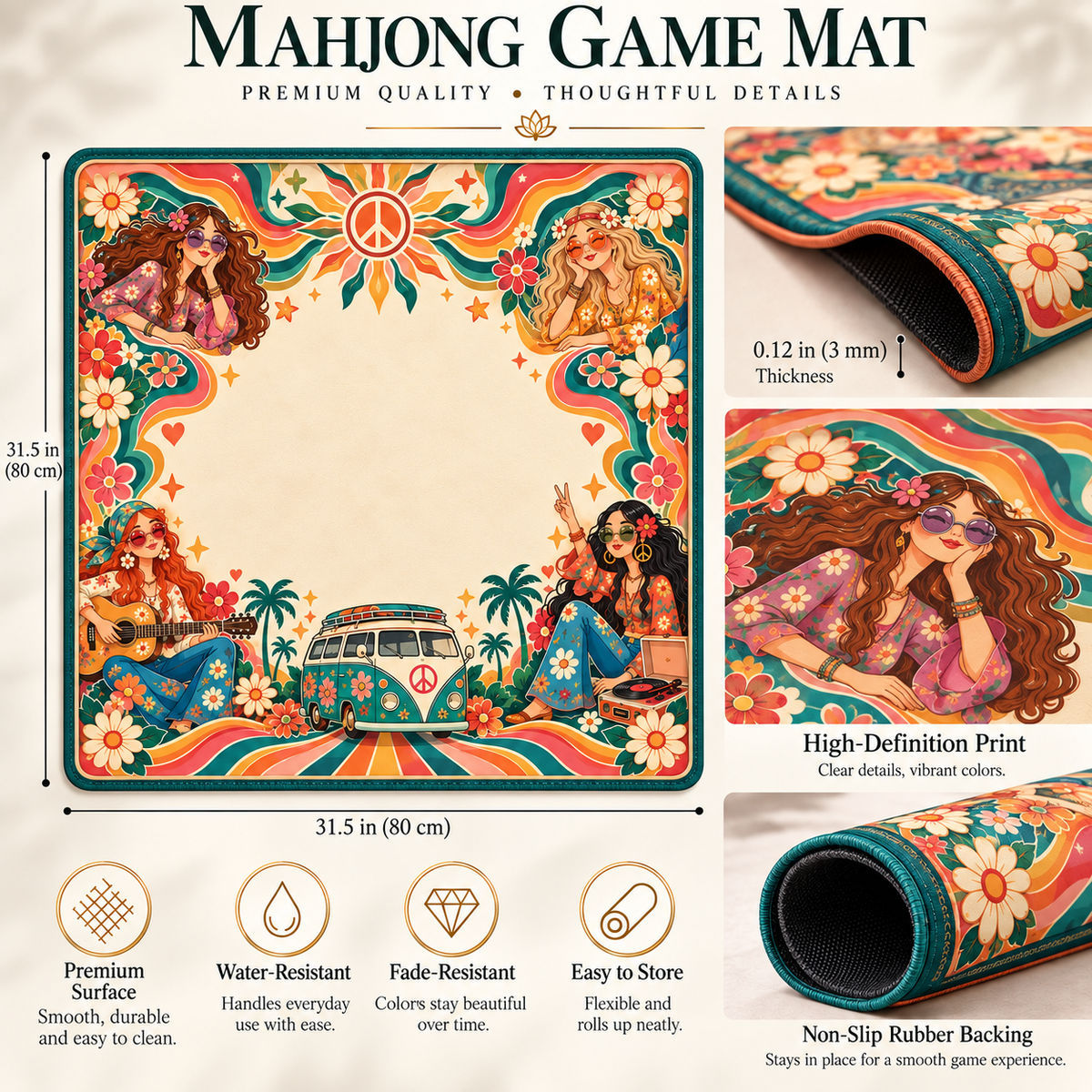
If you're building a game night setup from scratch, start with engraved American mahjong sets in acrylic—they ship ready to play and arrive with all 160 tiles needed. Pair them with a mat that fits your table to protect surfaces and define the play area, and consider racks with pushers so tiles stand upright and don't fall during draws. For hosting regularly, add a travel bag or case so your set stays protected between games.
What to check before you buy acrylic tiles
Thickness: Acrylic tiles range from 14mm to 20mm thick. Thicker tiles (18–20mm) feel more substantial and sound better; thinner ones are lighter for travel but feel less satisfying. Ask the seller or check product photos.
Print quality: Look at close-up images of numerals and wind/dragon characters. Crisp, solid print = good. Blurry or faded print = avoid.
Joker count: American mahjong uses 8 jokers in play plus spares. A 160-tile set includes all spares you'll need; never rely on borrowed jokers from another set.
Case or bag included: Check whether the set ships with protective storage. If not, factor in a mahjong bag or case so tiles don't scatter or absorb odors.
Storage and care: Acrylic needs no oiling or humidity control. Store in a cool, dry place away from direct sunlight. If tiles get dusty, wipe gently with a dry cloth—no water or solvents needed.
✨ Find your Mahstead set — free US shipping →
Making the choice: acrylic for your table
Acrylic is the most forgiving material for groups that play weekly. It's lightweight enough to shuffle comfortably for hours, tough enough to survive years of casual play, and requires no fussing. If you're a serious collector or tournament player drawn to bone's prestige, acrylic may feel too casual. If you love the warmth of bamboo and don't mind replacing cracked tiles, bamboo is beautiful. But if you want a set that plays like a dream, sounds clear, lasts forever, and comes ready to use the day it arrives, acrylic wins. We reach for acrylic every week because it lets us focus on the game, not on caring for the equipment.
🀄 Shop best-selling mahjong sets →

FAQ
Will acrylic tiles feel cheap or plasticky compared to bone?
No. Quality acrylic (8–10 grams per tile, 14mm+ thick) feels substantial and plays beautifully. The difference is in durability, not feel. Many experienced players prefer acrylic for weekly games because it doesn't chip or warp.
Do acrylic tiles absorb odors or discolor from handling?
Acrylic resists discoloration and doesn't absorb odors the way bone or bamboo can. Even after years of play in a smoky room or outdoors, acrylic tiles stay clean-looking and smell like nothing.
Why is acrylic lighter than bone?
Bone is denser as a natural material; acrylic is engineered to be sturdy but lighter. This makes acrylic easier to handle during long games without sacrificing durability or that satisfying click when tiles move.
Can I use acrylic tiles for all mahjong variants (American, Chinese, Riichi, etc.)?
American mahjong sets are acrylic-friendly and widely available. Chinese, Riichi, and Hong Kong sets are traditionally bone or bamboo, but acrylic versions exist. Check the set description to confirm it matches your variant.
How long will an acrylic set last if we play weekly?
With normal care, 10+ years of regular play. Acrylic doesn't chip, crack, or fade from use. The only wear is the printed numerals, which fade very slowly—most sets are playable far longer than their owners stay interested in the game.
Should I buy a 160-tile set or look for 144-tile options?
American mahjong always plays with exactly 152 tiles and 8 jokers; a 160-tile set includes the full game plus spares. For American mahjong, 160 is standard. Chinese and other variants use different counts, so check your game rules first.


View More
View More
View More
